
The Role of Venture Capital in Scaling Your Startup

Role of Venture Capital in Scaling Your Startup

Venture capital (VC) can play a pivotal role in transforming a promising startup into a high-growth, scalable company. With financial support, strategic guidance, and valuable connections, venture capital offers much more than just funding. Understanding the role of venture capital in startup growth is essential if you’re looking to raise capital and take your business to the next level.

In this blog, we’ll explore how venture capital works, the specific benefits it provides, and the steps to attract VC investment for your startup.

What is Venture Capital?

Startups and early-stage businesses with significant growth potential might get venture capital, a type of private equity funding. Venture capitalists, often experienced investors or firms, invest in these high-risk, high-reward ventures in exchange for an equity stake. Typically, VCs fund startups in their growth phase, aiming to help them scale rapidly.

The role of venture capital extends beyond funding; venture capitalists offer strategic insights, mentorship, and industry connections that are critical for startups looking to accelerate growth.

The Role of Venture Capital in Startup Scaling

The following are the roles of venture capital in startup scaling:

1. Providing Essential Funding

Venture capital provides entrepreneurs with significant financial support to help them expand. Venture capital funding gives businesses the money they need to scale quickly, whether that means creating new goods or growing their operations. Since venture capital funding does not have interest-bearing payback requirements like typical bank loans do, firms can reinvest in expansion without worrying about debt.

2. Access to Expertise and Mentorship

Many venture capitalists bring years of industry experience and strategic insight. Their expertise in market dynamics, scaling processes, and operations can significantly enhance a startup’s growth trajectory. VCs often offer mentorship to founders, helping them make informed decisions, avoid common pitfalls, and align with industry best practices.

3. Building a Strong Network

A critical role of venture capital is connecting startups with an influential network of partners, industry experts, and potential customers. VCs often have extensive networks that can open doors to strategic partnerships, skilled talent, and new markets. This network can be invaluable in building brand credibility and driving faster market penetration.

4. Enabling Product and Market Expansion

VC funding allows startups to focus on core business activities, such as product development and market expansion. With sufficient capital, startups can expand their product lines, enter new markets, and reach a larger customer base. This growth leads to enhanced brand visibility, larger market share, and increased revenue potential.

5. Attracting Top Talent

The backing of a reputable venture capital firm can attract high-quality talent to your startup. Talented employees are often drawn to companies with the resources and support to foster innovation and long-term growth. The ability to hire and retain skilled personnel is vital for startups aiming to scale successfully.

6. Preparing for Further Rounds of Funding

The initial investment from venture capitalists often positions startups for future funding rounds, such as Series B, C, and beyond. Securing venture capital can increase your startup’s credibility, making it more attractive to later-stage investors. VCs can also guide you through these subsequent rounds, helping you strategically time and plan for continued expansion.

Get funding for your business with the help of our fundraising consulting services

Types of Venture Capital Funding Stages

Venture capital funding typically occurs in multiple rounds, with each stage serving specific purposes:

– Seed Stage: The first round of venture capital funding, known as the “seed stage,” is intended to validate the initial development of the business model and the product-market fit.

– Series A: Scaling operations and expanding into new markets are the main goals of Series A. Money is frequently spent on client acquisition and product enhancement.

– Series B: Designed to enable larger-scale growth by growing the staff, building the brand, and streamlining processes.

– Series C and Beyond: These funding rounds assist with more complex expansion initiatives, such breaking into foreign markets, purchasing other companies, or getting ready for an initial public offering.

Each stage of funding builds upon the previous one, making the role of venture capital in each phase essential for sustained growth and scalability.

Steps to Attract Venture Capital for Your Startup

check out the steps to attract venture capital:

1. Develop a Compelling Business Plan

A strong business plan is essential for attracting venture capital. Your plan should clearly define your mission, target market, business model, and projected growth. VCs need to see a solid roadmap of how you intend to scale your business, generate revenue, and achieve profitability.

2. Create a Standout Pitch Deck

Your pitch deck is often the first impression you’ll make on potential investors. Make it compelling by highlighting your startup’s unique value, market opportunity, traction, and financial projections. Be clear about how VC funding will accelerate growth and why your startup is a worthwhile investment.

3. Build a Strong Team

VCs make just as much investment in people as they do in ideas. Success is more likely when the team is talented, experienced, and dedicated. Emphasize the skills, experience, and industry knowledge of your team and their capacity to carry out your business plan.

4. Demonstrate Traction

Showing measurable traction, such as revenue growth, user acquisition, or product-market fit, enhances your startup’s appeal. VCs are more likely to invest in startups that have demonstrated market demand and a viable business model.

5. Research and Target the Right VCs

Not all venture capital firms are the same. Some specialize in specific industries, while others focus on particular funding stages. Research and approach VCs whose interests align with your business model, market, and growth stage. This alignment can increase the chances of a successful partnership.

6. Be Prepared for Due Diligence

Following their expression of interest, VCs will carry out a due diligence procedure to evaluate the startup’s viability, legal standing, and financial standing. Be prepared to give comprehensive details regarding your contracts, finances, intellectual property, and operational KPIs.

Key Benefits of Venture Capital in Startup Growth

Rapid Expansion: Startups that have a sizable amount of capital are able to grow rapidly without being restricted by cash flow issues.

Strategic Guidance: VCs assist entrepreneurs in navigating the challenges of expansion by providing insightful information on operations, scaling, and market trends.

Market Credibility: Having venture capital support increases the credibility of your brand by letting the market know that your startup has a lot of promise.

Increased Valuation: Successful venture capital funding rounds frequently lead to increased valuations, which raise the startup’s value for potential exits or future investment rounds.

Conclusion

The role of venture capital in scaling your startup extends far beyond just funding. By providing strategic guidance, resources, and networks, venture capital firms play a vital role in helping startups navigate growth challenges and unlock their full potential. However, venture capital isn’t right for every business; it requires a willingness to share ownership and maintain high growth momentum.

Ultimately, venture capital can be a powerful catalyst for startups aiming to scale quickly. By understanding the VC process, building a strong foundation, and targeting the right investors, you can leverage venture capital to accelerate your startup’s journey to success.

Seed Funding Process A Step by step guide

Seed Funding Process – A Step-by-Step Guide

For early-stage startups, securing the right type of financing is critical to launching and scaling a business. One of the first major funding milestones for many startups is seed funding. This initial capital infusion helps founders bring their ideas to life, develop products, and grow their teams. But what exactly is the Seed Funding process, and how can startups navigate it successfully?

In this blog, we’ll break down the seed funding process step-by-step, giving you a clear understanding of how to raise capital and position your startup for success.

What is Seed Funding?

Seed funding is the initial round of capital raised by a startup to help develop its product or service and move toward market validation. Unlike later-stage funding, seed funding is typically used for early-stage business activities, such as market research, product development, and building a small team.

Seed investors can include angel investors, venture capital firms, or even friends and family. In exchange for capital, these investors often receive equity (ownership) in the company. The Seed Funding process can provide the essential resources your startup needs to grow from an idea to a fully functioning business.

Step-by-Step Seed Funding Process

Step-by-step process of raising seed funding:

1. Prepare Your Business Plan

Before seeking seed funding, you need a solid business plan. This document will outline your startup’s vision, mission, business model, target market, and revenue potential. A well-written business plan makes it easier for investors to comprehend your objectives and your strategy for achieving them.

In your business plan, focus on these key areas:

– Problem and Solution: Define the problem your startup solves and how your solution is unique.
– Market Opportunity: Present data on the size of your target market and the demand for your product or service.
– Revenue Model: Explain how your startup will make money, including pricing, sales channels, and customer acquisition strategies.

2. Create a Strong Pitch Deck

A pitch deck is an essential tool in the Seed Funding process. This presentation provides potential investors with a high-level overview of your business and why it’s worth investing in. A strong pitch deck should include:

– Executive Summary: A brief overview of your company, product, and team.
– Market Analysis: Data on market size, growth potential, and key trends.
– Traction: Any existing progress, such as product development, customer acquisition, or partnerships.
– Financial Projections: Forecasts for revenue, expenses, and profitability over the next few years.
– Funding Needs: Clearly state how much capital you are raising and how it will be used.

3. Identify Potential Investors

Finding the right investors is a critical step in the seed funding process. Seed investors come from a variety of sources, including:

– Angel Investors: High-net-worth individuals who invest personal funds in startups.
– Venture Capital Firms: Some VC firms specialize in seed-stage investments, often focusing on high-growth industries.
– Crowdfunding Platforms: Online platforms like SeedInvest and Crowdcube allow startups to raise small amounts of money from a large number of individual investors.
– Friends and Family: In some cases, entrepreneurs turn to close connections for initial funding.

Make sure to target investors who have experience in your industry and are aligned with your vision. Personal introductions and networking can also play a significant role in securing meetings with potential investors.

4. Negotiate the Terms

Once you’ve secured interest from investors, the next step in the Seed Funding process is negotiating the terms of the deal. These terms typically include the amount of equity (ownership) you are offering in exchange for the capital. Other key aspects include:

– Valuation: How much your startup is worth before the investment.
– Investment Amount: The total capital investors will provide.
– Equity Stake: The percentage of ownership you’re offering in exchange for the investment.
– Board Involvement: Whether investors will take an active role in company decisions by joining your board.

It’s essential to work with a lawyer experienced in startup financing to ensure the terms are fair and legally sound.

5. Due Diligence

After negotiating the terms, investors will likely conduct due diligence to verify your claims and assess the potential risks of the investment. The due diligence process typically involves:

– Financial Review: Investors will review your financial statements, projections, and tax filings.
– Legal Review: Investors will want to see any contracts, intellectual property filings, and shareholder agreements.
– Business Model: Investors may evaluate your business model’s scalability and market fit.

Being transparent and prepared during due diligence can help expedite the process and build trust with potential investors.

6. Secure the Investment

Once due diligence is completed and both parties agree on the terms, the final step in the Seed Funding process is closing the deal. This involves signing the investment agreement, transferring the funds, and issuing shares to the investors.

At this point, you officially have the capital you need to execute your business plan and grow your startup. Make sure to communicate regularly with your investors and provide updates on your progress, as they can be valuable partners in your company’s growth.

Get funding advice from industry experts

Benefits of Seed Funding

– Access to Capital: Seed funding provides the capital needed to bring your product to market and grow your business.
– Mentorship: Many seed investors offer valuable guidance and industry expertise, helping you navigate challenges and scale effectively.
– Networking Opportunities: Investors often connect founders with other entrepreneurs, potential customers, and partners, accelerating growth.

Conclusion

Understanding the Seed Funding process is essential for any startup seeking early-stage capital. By preparing a strong business plan, creating a compelling pitch deck, identifying the right investors, and negotiating fair terms, you can successfully raise the funds needed to fuel your startup’s growth.

Seed funding is not just about money it’s about finding the right partners who believe in your vision and can help your business thrive.

Read Also: Ways of Fundraising

Equity vs Debt Financing what's right for your startup

Equity vs Debt Financing: What’s Right for Your Startup?

As a founder of a startup, few decisions are as important as how to finance your venture. Be it building a technology platform or scaling up a product, growth requires financing at the right time. When raising finances, you usually have two key options: Equity vs. Debt Financing.

In this blog, we are going to outline the critical differences between equity and debt financing, their relative advantages, and disadvantages, and how to arrive at the best option for your startup.

What is Equity Financing?

The only way to obtain equity financing is by selling part of your company in exchange for investor capital. These investors become shareholders, thus proportionate owners in your business. In that light, they will share your business profits or be a participant in the board in certain business decisions.

Advantages of Equity Financing:

  • No Debt Obligations: Unlike debt, equity financing also does not require the funds to be repaid. You get capital without the pressure of monthly payments, which could definitely help your startup conserve cash in the beginning.
  • Access to Expertise and Networks: Most equity investors, including angel investors and venture capitalists, possess good experience, mentorship, and business connections that might be helpful in the faster growth of your startup.
  • Shared Risk: The investors, in turn, take a percentage of risk for investing in your company. This is advantageous because you are not going to take the losses all by yourself if the company has problems.

Read About: How to Raise Series A Funding in India 

Disadvantages of Equity Financing

  • Loss of Ownership: You will be giving away some portion of ownership when you sell equity. Thus, this may reduce your influence in business decisions or, in certain instances, the ability to decide on the direction of the startup.
  • Profit Sharing: Equity investors expect a return on the investment in your company. This may mean that when your company grows and becomes profitable, you will then be required to share some of those profits with shareholders, thus reducing your own earnings.

What is Debt Financing?

Basically, debt financing is all about borrowing money, which generally comes from banks or private lenders, and is returned along with the due interest in due course of time. Debt does not involve giving up ownership in your business.

Advantages of Debt Financing

  • Ownership Retained: One of the most attractive advantages of debt financing pertains to you retaining full ownership of your business. Since lenders are not growing as shareholders in your organization, you will not be called upon to give up equity or decision-making power.
  • The interest paid on the loan is generally tax-deductible, This means you can potentially subtract it from the overall tax liability.
  • Predictable Payments: In most cases, debt financing requires a clearly defined repayment schedule. You know with complete certainty how much you owe and when enabling you to better plan your finances.

Disadvantages of Debt Financing:

  • Repayment Pressure: The need to repay the debt, irrespective of your startup’s cash flow, strains finances especially when your business has not yet reached its profitability stage. Delays in payment further dent your credit and business reputation.
  • Collateral Requirements: Most lenders ask for collateral, such as property or equipment, which they can use in the event of a default. If you fail to repay, the lender will seize these assets, posing a substantial risk to your startup.
  • Interest Costs: There is always a cost of borrowing in terms of interest. The interest accrues over time, and debt financing thus turns out to be quite expensive if one doesn’t pay off the loan as soon as possible.

Get Fundraising services for your business now

Equity vs Debt Financing: Which is Appropriate for Your Startup?

The choice between Equity and Debt Financing is based on several factors peculiar to your business:

  1. Startup Stage: Early-stage startups, with no revenues, in particular, tend to look more highly at equity financing. Unable to generate the cash flow necessary to make regular payments on the debt burden, they’re able to offer equity investors capital without placing burdens on the business.
  2. Business Growth Rate: Fast-growing companies favor equity financing since they require large amounts to invest and scale up rapidly. A company will give away more significant ownership to increase more substantial amounts and take advantage of the high growth rates. Conversely, a stable company with predictable revenue streams may favor debt to retain ownership and minimize dilution.
  3. Risk Tolerance: If you are the kind of person who does not like taking risks and would not want to be in debt, then equity financing could be the way to go. On the other hand, if you desire complete ownership and are confident in your ability to generate cash flow in order to repay the loan, debt financing may just be the right path.
  4. Investor Involvement: In the case of equity investment, the investor would want to be more involved in running your business. In the case of debt finance, it gives you more independence. If strategic advice and mentorship attract you then equity may be highlighted as an option for you. In contrast, if one desires complete decision-making power, debt could suit them more.

Know your startup’s value & pitch like a pro—use our free business valuation calculator & pitch deck template before fundraising!

Hybrid Approach: Combination of Equity and Debt

This is why many startups get the best of both worlds by combining equity with debt financing. You might raise one round of equity for growth and expansion, then take on debt for operational costs or plant and equipment without giving away more ownership than you have to. One can pursue a hybrid approach that provides greater flexibility while optimising a financing strategy.

Conclusion

There is no one-size-fits-all answer when weighing Equity vs Debt Financing. The optimal financing method will depend on your particular needs as a startup, the stage of growth and development in which your enterprise finds itself, and the trajectory toward growth. In equity financing, one often gives up ownership for capital and experience. On the other hand, debt financing may be an important means of retaining control, even as added financial burdens attach themselves. Carefully weighing the pros and cons of all these will help you in your main quest to protect the eventual and long-term success of your startup. In any case, however, whether through equity, debt, or a combination of the two, what’s most critical is to have the right financing strategy that will perfectly align with the goals of your business and your actual financial position.

Get business Funding

How to Find Angel Investors - A Comprehensive Guide

How to Find Angel Investors – A Comprehensive Guide

Securing early-stage funding is one of the most critical steps for a startup’s success. For many entrepreneurs, angel investors provide the perfect solution. These high-net-worth individuals offer capital in exchange for equity in your company, often filling the gap between self-funding and larger venture capital investments. However, knowing how to find angel investors and approach them effectively requires careful strategy and preparation.

In this comprehensive guide, we’ll walk you through everything you need to know about approaching angel investors and increasing your chances of securing the funding your startup needs.

What Are Angel Investors?

Before diving into how to find angel investors, it’s important to understand who they are. Angel investors are typically individuals who use their personal wealth to invest in startups at the early stages. In addition to providing financial backing, angel investors often offer valuable industry expertise, mentorship, and access to their professional networks.

Angel investors have more freedom in their investment choices because they employ their own cash rather than venture capitalists’, who oversee funds. Because of this, they are especially appealing to businesses that wish to use experience while requiring less cash.

How to Find Angel Investors?

The first step in securing funding is knowing how to find angel investors who are a good fit for your business. Here are some strategies to help you locate potential investors:

1. Angel Networks: A large number of angel investors are members of angel networks or clubs. These groups enable investors to combine their resources and decide how best to finance businesses. Golden Seeds, Tech Coast Angels, and AngelList are a few examples. Look through these networks to find angel investors in your sector or area.

2. Startup Events and Conferences: Industry-specific events, pitch competitions, and conferences are great places to meet angel investors. Many investors attend these events to discover new investment opportunities.

3. Online Platforms: Startups can connect with angel investors using websites such as AngelList and Gust. You may use these sites to promote your company, draw in investors, and even send pitch decks to potential customers directly.

4. Professional Networks: Make use of your professional and personal connections to request angel investor introductions. A lot of angel investors choose funding businesses that are recommended by reliable people.

5. LinkedIn and Social Media: Angel investors can also be found through social media channels. To establish a relationship, interact with investors in your sector on Twitter or LinkedIn and take part in online forums.

Get fundraising consultancy now

Crafting Your Pitch

Once you’ve identified potential angel investors, the next step is creating a compelling pitch that captures their attention. Here’s how to tailor your pitch to angel investors:

1. Highlight the Problem and Solution: Explain in detail the issue your startup resolves and the distinctiveness of your solution. Investors want to know how your firm will affect the actual world.

2. Show Market Opportunity: Startups with significant growth potential are of interest to angel investors. To demonstrate that there is a market for your product or service, present facts about your target market, trends, and client acquisition approach.

3. Solid Business Model: A clear route to profitability must be visible to investors. Make sure your business plan is clear and explains how you plan to generate revenue and grow your company.

4. Traction and Milestones: Highlight any success you’ve had, like new product launches, client acquisition, collaborations, or sales. Startups that have shown growth and accomplished significant milestones have a higher chance of attracting investors.

5. Financial Projections: Provide reasonable financial estimates for the ensuing three to five years. Investors want to know that you have thoroughly researched and comprehended the financial possibilities of your firm.

Building Relationships with Angel Investors

Approaching angel investors isn’t just about the pitch—it’s about building long-term relationships. Here’s how to create a positive impression and develop a connection:

1. Do Your Research: Investigate an investor’s prior investments, interests, and desired investment size prior to meeting with them. This helps you customize your strategy and guarantees that you’re aiming for the correct angel investors.

2. Engage in Open Dialogue: Investors are assessing you as the founder in addition to the business. Be open and honest about your objectives, difficulties, and what you’re seeking in addition to financial support. A lot of investors want to actively participate in the expansion of your firm.

3. Follow-up: Following your first meeting, thank the investor and restate important points in a follow-up email. You may show professionalism and stay on their radar by communicating regularly.

Preparing for Due Diligence

Once an angel investor expresses interest, they will likely conduct due diligence to verify your claims and ensure the investment opportunity is solid. Be prepared to provide additional documentation, including:

1. Business Plan

Your strategy, business model, marketing plans, and risk analysis are all laid out in a thorough business plan. It should contain market research, an executive summary, and a detailed description of how your firm makes money. Investors must examine how you plan to grow and acquire new clients. Include a risk analysis as well to demonstrate that you have recognized obstacles and devised strategies to overcome them.

2. Financial Statements

Provide up-to-date financial records, including profit-and-loss statements, cash flow statements, and balance sheets. These documents show your financial health, revenue streams, and how well-positioned you are for future growth.

3. Legal Documents

Be ready with intellectual property filings, contracts, and shareholder agreements to demonstrate legal compliance and protect your business.

Be Ready to Negotiate

When you find angel investors willing to fund your startup, negotiations will likely follow. Angel investors often invest in exchange for equity, so be clear about how much of your company you’re willing to give up. Ensure that any terms, such as board seats, voting rights, or involvement in decision-making, align with your vision for your business.

While angel investors can provide invaluable support, it’s essential to protect your interests and ensure that you’re partnering with someone who shares your goals.

Final Thoughts

A startup’s trajectory can be greatly impacted by knowing how to locate angel investors and how to approach them. From developing a strong proposal to establishing enduring connections, the process calls for planning, perseverance, and strategic networking. These steps will put you in a good position to get early-stage investment that will help you grow your company.

Approaching angel investors with confidence and clarity will not only help you get the funding you need but also open doors to mentorship, guidance, and invaluable connections in your industry.

Top 10 Pitch Deck Mistakes- Why DIY Decks Don't Secure Funding

Top 10 Pitch Deck Mistakes- Why DIY Decks Don’t Secure Funding

Creating a compelling pitch deck is one of the most important tasks for a startup seeking investment. Many founders opt to build their pitch decks themselves, believing it will save time or money. However, this DIY approach often leads to critical pitch deck mistakes that turn investors away. In this blog, we’ll highlight five major reasons why DIY pitch decks fail to secure funding and what you can do to avoid them.

Bonus Tip: 
You’re a startup but not sure how to find your business valuation? Don’t worry—use this free business valuation calculator to know your worth instantly!

10 Pitch Deck Mistakes

Following are the mistakes people make while creating a pitch deck-

1. Lack of a Catchy Opening and Coherent Narrative

Failing to capture the investor’s interest at the outset is one of the most frequent pitch deck errors in do-it-yourself presentations. The tone of the entire pitch is established by a memorable and catchy introduction. Many founders fail to see this because they dive right into the details without providing a compelling hook or engaging story.

Apart from the introduction, your pitch deck must have an integrated story that connects all the elements. Investors will find it difficult to understand and become disinterested if your slides seem haphazard or lack coherence. Make sure your pitch delivers an engaging tale about your company and makes sense in order to avoid making this error.

2. Information Overdose

Information overload is a common problem with do-it-yourself pitch decks. In their enthusiasm, founders attempt to provide every information about their firm, from industry statistics to product specifications. But packing your pitch with too much material will overwhelm potential investors. They need the big picture and the most crucial information right front because they don’t have time to sort through all the data.

Make sure your slides are clear and simple. At a follow-up meeting, give just enough details to draw attention and allow for questions. Steer clear of the pitch deck error of jamming each slide with too much intricate data and language.

3. Lack of Vision and Strategy

Another major pitch deck mistake that DIY presentations often make is failing to communicate a clear vision and strategy. Investors want to know where your startup is headed and how you plan to get there. Simply describing your product isn’t enough; you need to paint a bigger picture of your long-term goals, growth strategy, and potential market impact.

A lack of vision and strategy signals to investors that you may not fully understand your business’s potential or have a solid plan for scaling. Always focus on the “why” behind your product and the roadmap to achieving success.

4. Not Understanding Your Market and the “Why Now” Factor

Investors need to know two things: why your solution is necessary and why it’s the right time to invest. Many DIY pitch decks fail to demonstrate an in-depth understanding of their target market and current trends. Without this, it’s hard for investors to see the opportunity or urgency behind your business.

The “why now” factor is critical. Are there market trends or technological advancements that make your solution timely? If your pitch deck doesn’t answer these questions, you risk losing investor interest. Failing to show market knowledge is one of the most damaging pitch deck mistakes you can make.

5. Failing to Demonstrate Traction

Proof that your company is growing is what investors want to see. Demonstrating traction—whether through collaborations, revenue milestones, or user growth—is essential to persuading investors that your firm is headed in the right direction. DIY pitch decks lack credibility because they frequently minimize or exclude critical performance indicators (KPIs) that demonstrate success.

Whether it’s a successful beta launch or an expanding list of potential clients, you must demonstrate momentum even if you’re just getting started. To instill trust in investors about the future of your startup, always emphasize your accomplishments to date.

Avoid these mistakes and get investor-approved pitch decks

6. Flimsy Business Model

Presenting an unclear or badly written business model is one of the most common pitch deck errors in do-it-yourself decks. Investors want concise, in-depth descriptions of how your business intends to make money, expand, and maintain profitability. Investors become suspicious when founders don’t present reliable data or accurate revenue estimates.

They may wonder if you have carefully considered the operations and financial viability of your startup if your business plan is weak. Steer clear of generalizations and make sure your business strategy covers pricing tactics, sales channels, and how you want to grow your revenue sources.

7. Poor Competition Slides / Market Positioning

Another common pitch deck mistake is poorly executed competition or market positioning slides. Many DIY pitch decks either ignore competitors entirely or fail to properly highlight how their product stands out. Investors want to know how your startup compares to others in the space and how you plan to capture market share.

If your competition slide is too generic, overly crowded with information, or doesn’t accurately represent the market landscape, it weakens your overall pitch. A well-constructed competition slide should clearly identify competitors and articulate your unique value proposition. Make sure to use clear visuals or charts that help investors see why you’re positioned to win in the market.

8. Lackluster Team Slide

Investors don’t just invest in ideas—they invest in the people behind them. One of the biggest pitch deck mistakes is presenting a lackluster or underwhelming team slide. In a DIY pitch deck, founders often fail to showcase the strengths, expertise, and experience of the founding team, which is a critical component for investor confidence.

Your team slide should highlight not only the roles of key team members but also their relevant background and why they are uniquely positioned to execute the business plan. Investors want to feel assured that the people running the company have the skills, industry knowledge, and leadership capabilities to drive the startup’s success.

9. Unclear Funding Ask

An unclear or poorly specified funding request is frequently the result of a do-it-yourself strategy. Investors must understand precisely how much money you are looking for, how it will be used, and how it will assist your firm reach certain goals. Leaving investors wondering how their money will be used is one of the most important pitch deck errors.

Be precise and explicit in your fundraising request to prevent this. Whether you plan to use the money for employment, marketing, product development, or growth, break it out. Reassuring investors of the return on their investment also requires financial predictions that demonstrate how the investment will support growth.

10. Pitching the Wrong Investor

Even the most polished pitch deck won’t secure funding if it’s being presented to the wrong investors. One major pitch deck mistake DIY founders make is failing to tailor their pitch for the right audience. Some investors focus on specific industries, funding stages, or types of businesses, so understanding your investor’s preferences is crucial.

Before reaching out to potential investors, do your homework. Research their portfolio, investment criteria, and whether they have a history of investing in startups like yours. Customizing your pitch deck for your audience can greatly increase your chances of receiving funding. A one-size-fits-all approach is rarely effective in the competitive world of venture capital.

Final Thoughts

While a DIY pitch deck might seem like a cost-saving option, it often leads to significant pitch deck mistakes that reduce your chances of securing funding. From a weak business model to an unclear funding ask, these errors can signal to investors that you’re not ready for investment. Taking the time to create a professional, well-researched pitch deck can make all the difference in getting the funding your startup needs to grow.

Avoid these common mistakes, and your pitch deck will be one step closer to winning over the investors you need to succeed.

Also Read: Top 5 Fundraising Mistakes Startups Make – And How to Avoid Them

Professional Pitch Deck - Every Startup Needs to Attract Investors

Professional Pitch Deck – Every Startup Needs to Attract Investors

Having a professional pitch deck is essential to making an impression and getting investment in the cutthroat world of startups. You need a well-organized pitch deck to attract investors and highlight your company’s potential. Whether an experienced founder or a first-time entrepreneur, your pitch deck is essential for communicating your business potential, strategy, and vision.

In this blog, we’ll explore why every startup needs a professional pitch deck and how to create one that will help you attract investors.

What is a Professional Pitch Deck?

Startups use a professional pitch deck, which is a concise and eye-catching presentation, to convey to investors their business ideas, market opportunities, growth potential, and financials. Covering the most important facets of the company, such as the problem you’re trying to solve, your product, market, business strategy, and the team working on the project, it usually has ten to fifteen slides.

Why Startups Need a Professional Pitch Deck

Investors are constantly bombarded with hundreds of pitch decks each month, making it challenging for any startup to stand out. In this saturated landscape, having a professional pitch deck is no longer a luxury—it’s a necessity. Let’s break down why this is essential for your startup:

1. First Impressions Matter

Your pitch deck is often the first touchpoint between your startup and potential investors, so the first impression it makes is critical. A professional-looking pitch deck with polished design, clear visuals, and high-quality content demonstrates that you take your business seriously. It communicates that you’re not only passionate but also prepared, organized, and capable of executing your vision.

An unprofessional or poorly designed pitch deck, on the other hand, may suggest a lack of attention to detail, even if your business idea is brilliant. In the world of investment, where first impressions are often lasting, presenting a sleek and polished pitch deck can be the difference between landing a meeting or having your presentation overlooked.

2. Clear Communication of Value Proposition

At the core of every investor’s decision-making process is the question: Why is this business worth investing in? Your professional pitch deck should answer this question swiftly and clearly. Investors have limited time, so your deck must communicate your value proposition in a way that’s both compelling and easy to understand.

A well-crafted deck cuts through the noise by explaining the problem your startup solves, the uniqueness of your solution, and why your approach is better than existing alternatives. The professional tone of the deck should make it easy for investors to see the potential of your business without needing to dig deep into the details. Clear, concise messaging supported by strong visuals helps convey the value of your business most effectively.

3. Structured Flow of Information

Investors need a seamless narrative that flows logically from one key point to the next. A professional pitch deck provides this by following a clear structure that makes it easy to absorb information and understand your business story. From introducing the problem, and showcasing your solution, to discussing your market opportunity and financial projections, each slide should build on the last.

A structured flow ensures that investors are not left with questions halfway through your presentation or confused about the order of your business case. With a logical sequence, you guide the investors through your story, making sure that they grasp the main points and understand how everything fits together. This organization boosts the chance that investors stay engaged throughout your pitch.

4. Boost Investor Confidence

A professional pitch deck not only presents your business idea but also reflects your readiness for investment. When investors see a pitch deck that is polished, data-backed, and realistic in its projections, it reassures them that you’ve done your homework and are serious about scaling your business. It signals to investors that you are not only a visionary but also someone with a practical understanding of what it takes to grow a startup.

Well-designed financial models, clear go-to-market strategies, and transparent traction metrics all contribute to building confidence. A professional pitch deck can also demonstrate that you’ve thought through potential challenges and have plans to address them. This makes investors feel that they are making a more secure and informed decision if they choose to invest in your company.

Check out the investor-approved pitch deck

Key Elements of a Professional Pitch Deck

Creating a compelling and professional pitch deck requires the right mix of content, visuals, and structure. Here’s a breakdown of the key elements that should be included:

1. Title Slide: Start with your company name, logo, and a tagline that succinctly describes your business.

2. Problem Statement: Clearly define the problem your startup is solving. The bigger and more relatable the problem, the more compelling your pitch.

3. Solution: Introduce your product or service as the solution. Be concise and explain how it directly addresses the problem.

4. Market Opportunity: Showcase the size of your target market, growth potential, and any significant market trends. Use data to back up your claims.

5. Business Model: Explain how your startup plans to make money. Include pricing strategies, revenue streams, and customer acquisition costs.

6. Traction: If you’ve already launched your product, provide key performance indicators (KPIs) such as revenue, customer growth, or partnerships.

7. Go-to-Market Strategy: Outline how you plan to acquire customers and grow your market share.

8. Financial Projections: Provide investors with realistic financial forecasts, including revenue, profits, and projected growth over the next 3-5 years.

9. Team: Introduce the core members of your team, highlighting their relevant experience and skills.

10. Call to Action: End with a strong call to action, whether it’s scheduling a follow-up meeting or asking for a specific amount of funding.

Tips for Designing a Professional Pitch Deck

Design is just as important as content when it comes to creating a professional pitch deck. Here are some design tips to keep in mind:

1. Keep it Simple: Avoid clutter and excessive text. Use bullet points and visuals to make your slides easy to digest.

2. Use High-Quality Images: Incorporate visuals, graphs, and charts that are easy to understand and support your narrative.

3. Consistent Branding: Use your brand’s colors, fonts, and logo throughout the presentation to create a cohesive look.

4. Limit Slide Count: Aim for a maximum of 15 slides to keep your pitch concise and engaging.

Final Thoughts

A professional pitch deck is the most powerful tool in a startup’s fundraising arsenal. By focusing on clear messaging, compelling visuals, and data-driven insights, your pitch deck can significantly improve your chances of attracting the right investors. Remember, your pitch deck isn’t just a presentation; it’s the first step toward building long-term relationships with investors.

Invest the time and effort to create a professional, investor-ready pitch deck, and your startup will be well-positioned to secure the funding it needs to grow.

Also Read: Pitch Deck Mistakes

private equity drives growth in India's beauty care market

Private Equity Drives Growth in India’s Beauty Care Market

Both innovation and consumer preference are reshaping the beauty and personal care sector, and PE is cashing in. As the industry shows no signs of slowing down (statistical data predicts the global beauty and personal care market will exceed $716 billion by 2025), private equity firms have been turning their sights to this sector, viewing it as a stable, high-margin, high-growth vertical that is only getting more interesting as the rise of e-commerce converges with moves towards sustainability.

Private Equity Firms Betting Big on Beauty

The beauty and personal care space is blowing up, seriously… And among the various sectors it encompasses, private equity finds its pot of gold. Private equity-backed deals comprised roughly 40% of all beauty-sector mergers and acquisitions (M&A) over the last twelve months, according to a number of recently released industry reports – indicative of an increase that is likely to bring some welcome relief for brands suffering from the impacts of COVID-19.

This investment spree is driven by the increased emphasis on innovation in skin care and clean beauty as well as wellness-driven product categories. In line with the growing demand of markets aligned with health and sustainability, PE firms are paying more attention to its related brands.

Recent Big Deals in Beauty

Some of these include the fairly large newspaper and government public deals that seem to be new over the past year:

  • Advent International took the majority investment in Olaplex, the performance hair care brand who have achieved cult status. This transaction further demonstrates the emphasis on premium quality in general, but also on science-informed formulations.
  • Il Makiage, a DTC beauty brand that uses data analytics and AI to deliver personalized recommendations, raised $29M via LCatterton, showing the role of tech in today’s beauty.
  • Carlyle Group acquired a majority stake in BeautyQuest Group, which manufactures and distributes branded and private-label hair care, skin care, and other personal care products. The deal suggests that more value is being placed on companies that provide cross-category innovation, appealing to investors.

Private equity GPs are also stocking up on the wellness and self-care trend, with their sights set on companies specializing in supplements, personal care products, and men’s grooming.

Private Equity Eyes India’s Expanding Beauty & Personal Care Market

India’s steadily growing beauty and personal care market, expected to rise at a CAGR of 6.5% during the next five years has garnered significant attention from private equity firms. Given the expected improvement in per capita income as middle-class spending accelerates in an increasingly modernised country blessed with fast-growing internet penetration and e-commerce platform adoption, India is being viewed by global investors for what it is: an emerging market.

Many global PE firms with big Indian experience have made bold moves in this market over the past few months.

Warburg Pincus Joins Indian Beauty Revolution Through Cash-Infusion Good Glamm Group, A Digital-First Beauty And Personal Care Giant That Owns Brands Like MyGlamm, POPxo & Plixxo The move highlights the attractiveness of D2C beauty brands in India.

TPG Growth Acquires Pre-IPO Stake in Nykaa, India’s Leading Beauty Products E-commerce Platform Nykaa’s successful listing on the Indian stock market in turn turned the heads of investors going long on India’s e-tail sector.

Sugar Cosmetics – Earned investment from L Catterton, a multinational firm and one of the largest beauty pure-play investments in India. The investment will help Sugar grow its overall volume and product rollout as the brand looks to quickly expand online and in-store.

Puig Acquires Kama Ayurveda IBN Almost one-quarter of the globe away in Spain a culture rich in age-old tradition and history.

These investments highlight the outlook that global PE giants are having as part of their beauty and personal care portfolios in India, given the presence of demographic boon; a growing appetite towards wellness habits, and developments shifting towards digital-first or D2C (direct-to-consumer) models.

Numerous Trends Enabling Global Investments In Local Markets

Several broader global macro trends are contributing to the increase in private equity capital commitments, including:

Digitisation: In emerging markets such as India, there is already a fundamental transformation in the way beauty products are marketed and sold with e-commerce and social media platforms leading the charge. Investors too are betting on digital strategy and data analytics-powered customer experiences which is why they are backing brands like Pinduoduo.

Sustainability and Clean Beauty: Brands that are clean, cruelty-free, and sustainable are taking significant capital as consumers demand a more eco-friendly approach to cosmetics. More and more Indian brands like Mamaearth specializing in toxin-free beauty products are stepping up to the plate and catching investor attention.

Personalisation and Innovation: Global PE investors seek businesses that provide custom solutions to a variety of consumer demands. Investors are especially interested in brands that leverage technology for personalized beauty offerings.

Future Outlook For India’s Beauty Sector

With private equity capital still flowing steadily into India’s beauty and personal care sector, analysts believe the landscape could evolve further with an increased focus on innovation, product diversification, and market consolidation. This opens the door for foreign investors to invest capital with an expectation of growth in India, given its young population and increasing demand of premium and sustainable products.

The beauty market in India is expected to grow significantly on account of increased consumer consciousness, disposable income, and inclination towards wellness-oriented beauty products. This will mean that startups and independent beauty brands, which are usually more tied to disruption, become better supported as a result.

A few American leading Beauty Brands are now planning to raise funding also from Global Private Equity players and for that is on boarding with FundTQ as their exclusive advisor for the round.

The founder growth Partner of FundTQ, commenting on the current market trends in Beauty and Personal Care said “Evolving consumer behavior, coupled with growing private equity investment is reforming the global beauty and personal care industry. An interesting way in which this ecosystem is growing is the significant participation of global investors in accelerating innovation and scaling of Indian brands to new levels. It shows the amount of potential opportunities for top Indian brands like this when it comes to global growth,” he says.

know about more deals

5 stages of an m&a transaction what every business should know

5 Stages Of M&A Transaction: What Every Business Should Know

Transactions involving mergers and acquisitions (M&A) are never the same. More complex stages of m&a transactions typically have different structures based on a variety of factors, including the size of the transaction, any international components, potential employees of the target company, competition issues, regulatory consequences, financial considerations, and the parties’ relationship.

Having said that, an M&A transaction typically follows the procedure described in more detail below, whether it involves buying stock in the target company or the target entity’s operations. Naturally, this particular procedure is not rigid and may change based on how complicated the transaction in question is. Indeed, several of the steps listed below may be skipped entirely or shortened in a more easy M&A transaction.

Stages of M&A Transaction

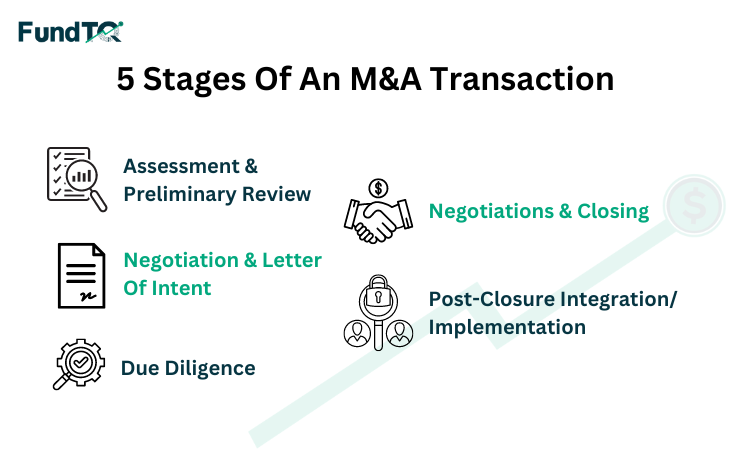
Here are 5 stages of m&a transaction:

5 Stages Of An M&A Transaction
stages of m&a

1. Assessment And Preliminary Review

In the event that a buyer cannot be located, an information memorandum is typically used to start the M&A transaction process. Typically, the vendor drafts the information memo and publishes it with the intention of determining market interest and, in the end, selling the firm or a portion of it for the highest possible price.

Without disclosing any sensitive or confidential business information about the target, an information memorandum typically provides the prospective buyer with enough details to decide whether to pursue the acquisition of the target company or business.

A prospective buyer, or buyers if there were more than one, would normally engage in a Non-Disclosure Agreement (NDA), which is meant to preserve the target company’s confidentiality and the sensitive data relevant to its business.

2. Negotiation And Letter Of Intent

The due diligence process, which is described below, typically comes before this second step when multiple possible buyers are involved. But, in the event that there is just one buyer in the running, it is customary for the parties to begin deliberating over some issues prior to the sale’s contractual phase, either before or at the same time as the due diligence process begins. These issues consist of the following:

  • competition/antitrust law implications, and whether such transaction necessitates pre-clearance from the Office for Competition;
  • employment law considerations;
  • licensing matters; and
  • fiscal implications, amongst others.

Additionally, it is typical for the vendor and possible buyer to lay out the terms and conditions of the proposed acquisition in a letter of intent, which is typically not legally enforceable.

3. Due Diligence

Doing a due diligence examination on the target company or business at this time is a typical procedure. Buyer due diligence occurs when there is only one potential buyer, and advisors engaged by the buyer usually carry out the due diligence procedure.

A vendor may also decide to carry out a due diligence exercise for a number of reasons. Basically, a vendor’s due diligence can either help to close a deal (in which case the buyer could choose to rely on it and protect its position with warranties and benefits) or identify any possible problems that might slow down the deal, influence the terms of the sale, or have an effect on the warranties the seller can offer to the buyer.

Due diligence covers legal and financial aspects, but its main goals are to find the biggest risks involved in a proposed purchase, set reasonable prices, and fortify one’s position during talks. The due diligence process itself may cover a range of legal topics from a legal perspective in order to fully investigate the target or its operations. These topics may include corporate matters, contractual and commercial obligations, employment, data protection, intellectual property, insurance, and regulatory and compliance matters.

4. Negotiations And Closing

Following the completion of the due diligence process, the buyer-to-be would usually review the results with its advisors to determine how significant they are to the deal. If the purchaser remains interested in proceeding with the acquisition, the parties typically negotiate the transaction details, including all terms and conditions. Depending on whether the transaction involves purchasing shares or the business, they may also negotiate the final price or agree on a mechanism to determine the sale price. Additionally, they settle the specifics of warranties, indemnities, and any limitations included in a Share Purchase Agreement (SPA) or an Assets Purchase Agreement (APA).

5. Post-Closure Integration/Implementation

It’s typical for the SPA/APA to include clauses that kick in after the closing, like extra obligations the parties must meet, finishing up the transfer of extra assets, obtaining approvals, notifying parties, putting in place a price adjustment mechanism, or signing other relevant contracts.

In addition to executing these post-closing activities, the parties can think about going through a post-closing integration exercise to merge the two businesses or enterprises and maximize synergies to guarantee the deal’s success.

Get mergers and acquisition consulting services now

Key financial metrics every startup should track

Key Financial Metrics Every Startup Should Track

Financial metrics are essential for assessing the performance and health of any business. For any organization to be evaluated for health and success, financial measurements are critical. There are some of the key financial metrics that every business should manage and evaluate regularly, ranging from revenue and profitability to the expenses you pay to draw in new clients.

By keeping a close eye on these financial metrics, you can identify valuable insights into your business’s financial health, identify potential areas where you can make improvements, and make data-driven decisions that drive your business toward growth and success.

Though there are a ton of financial metrics that you can track, including the ones that are listed below, we recommend finding the KPIs that are the most important and relevant to your business based on your unique strategic goals.

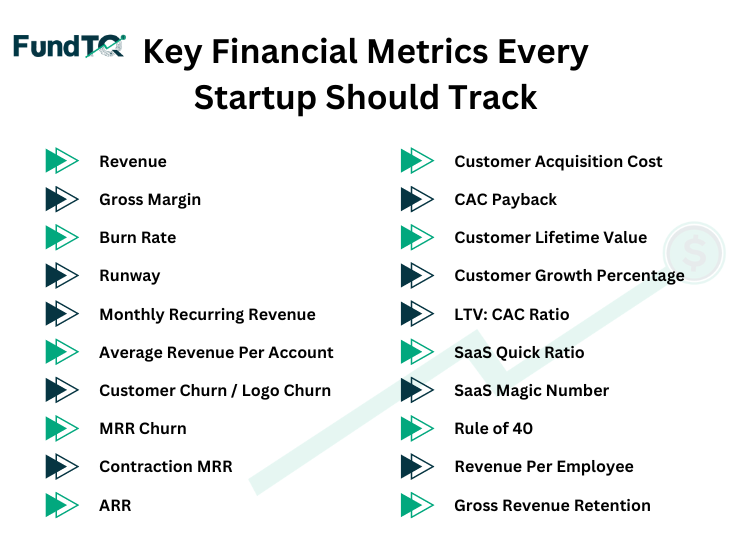
Financial Key Metrics

Key financial metrics

Let’s dive right in. Here are some of the important financial metrics that your business can track.

1. Revenue

The total amount of money your business makes from the sale of its goods or services over a specific period is known as revenue or sales.

Formula

Price of Goods/Services * Quantity Sold

Why it’s Important?

  • Any firm needs to be able to produce sales to function.
  • Monitoring this indication over time will help you determine if your company is expanding, contracting, or declining.
  • Even if revenue differs from the real profit your company makes, you may still learn a lot by analyzing the sales volumes of individual products and services and segmenting your revenue based on the types of income (recurring or non-recurring).

2. Gross Margin

The percentage of income your company keeps after deducting all costs associated with producing your good or service is known as its gross margin.

Formula

(Revenue – Cost of Goods Sold)/Revenue

Why it’s Important?

  • One of the financial indicators that matters the most to investors is gross margin, which will show you how well you are allocating your resources.
  • It’s a metric for profitability that shows you how much money your business makes for every dollar that is sold for products or services.
  • A high gross margin indicates that you are making enough money on the inside to support potential future expansion. Additionally, if a company expands, its gross margin will often rise with time.
  • However, a smaller margin can indicate that you need to raise the pricing of your good or service to better offset the expenses you pay to deliver it.

3. Burn Rate

The rate at which your business uses cash to fund operations is called its burn rate.

Formula

Cash payments – cash collections

Why it’s Important

  • Your burn rate will show you how much money your business is “burning” over a given length of time.
  • Your organization is using its cash more quickly the greater its burn rate.
  • The sustainability of your operations may be significantly impacted by this, and a persistently high burn rate may indicate that you may require outside funding in order to maintain your company.

4. Runway

Runway (a.k.a cash runway) is how many months your business has before it runs out of cash.

Formula

Cash in Hand / Projected Burn Rate

Why it’s Important

  • Your startup will have more time to develop and expand if its runway is longer.
  • Your revenue and expenses define your runway. You will eventually run out of money if your monthly spending exceeds your monthly income. Your runway indicates when “eventually” will happen.
  • This financial measure can provide you with a wealth of business insights, aside from the obvious—your firm physically needs a runway to stay in business.

5. Monthly Recurring Revenue (MRR)

The total amount of recurring money you receive from subscription clients each month is represented by monthly recurring revenue (MRR), a financial statistic used by SaaS companies.

Formula

Average Revenue per Account (Monthly) * Total # of Customers

Why it’s Important

  • Based on the monthly cost you charge your clients, the monthly revenue ratio (MRR) provides subscription-based businesses with a reliable indicator of how much money they may expect to produce each month.
  • When combined with other indicators that are significant to SaaS companies, such as potential growth, churn rate, and other variables, MRR can be a useful tool for projecting future monthly income and assisting with future decision-making.

6. Average Revenue Per Account (ARPA)

A SaaS company uses average revenue per account (ARPA) as a metric to calculate the average revenue per paying account.

Formula

MRR / # of Total Accounts

Why it’s Important

  • With ARPA, you may get a more thorough understanding of your profitability and growth by objectively comparing yourself to others in the industry.
  • Despite their similarities, average revenue per unit (ARPU) and this measure should not be confused.
  • You can gain insights from ARPA on client retention, pricing strategy, and total revenue growth. Generally speaking, a rising ARPA indicates that your marketing and sales initiatives are paying off.
  • You may identify monthly customer patterns, the goods that generate the most money, and the most popular subscription level among your customers by monitoring this metric over time.

7. Customer Churn / Logo Churn

Customer churn (a.k.a. customer attrition or logo churn) is the percentage of customers your business lost during a set period of time.

Formula

(# of Churned Customers / Total # of Customers at the Beginning of the Period) * 100

Why it’s Important

  • Every SaaS company will eventually lose clients, so you should ensure you’re maximizing your churn rate and gaining more clients than you lose over a specific time frame.
  • Your long-term business performance will benefit from a lower churn rate, achieved by retaining a larger customer base.
  • Higher churn rates make it more difficult for you to expand your clientele because you will always need to find new ones to replace the departing ones before you can concentrate on expansion.

8. MRR Churn

The amount of monthly recurring revenue (MRR) that you lose from current clients is known as MRR churn.

Formula

Customers at the Beginning of the Month * Churn Rate * ARPA

Why it’s Important

  • Knowing your MRR churn is just as crucial for SaaS companies as knowing what their MRR is.
  • Once more, some level of churn is unavoidable for your company, but to make wise judgments, you must be well-informed about it.
  • When taking into account lost clients, MRR churn can be utilized to anticipate monthly revenue increases over time, which can aid in your financial planning efforts. Additionally, this will improve your visibility on your financial runway.

9. Contraction MRR

The amount of predictable money your business will receive from clients each year is known as annual recurring revenue.

Formula

Downgrade MRR + Churn MRR

Why it’s Important

  • Even though it’s unavoidable, customers will downgrade or cancel subscriptions each month, therefore it’s critical to track and optimize this measure.
  • Understanding your contraction margin ratio (CRR) is important, but you can go deeper into the data to gain additional insights into things like whether your product is overpriced in the market, whether you’re not providing enough value, or whether you’re not communicating the value you offer well enough.
  • Naturally, you would rather a client downgrade than cancel entirely, so be sure to identify the factors influencing your contraction MRR so you can quickly resolve any problems and further your growth goals.

10. ARR

Annual recurring revenue is the amount of predictable revenue your company will generate from customers in a year.

Formula

MRR * 12

Why it’s Important

  • If your company is subscription-based, you can benefit greatly from using ARR, the annualized form of MRR.
  • Your firm will dry up if you can’t rely on your subscribing clients to provide a steady stream of predictable revenue every year.
  • As a result, keeping an eye on your annual revenue ratio (ARR) over time will enable you to make well-informed budgetary decisions, guarantee that your firm is growing, and generate realistic revenue projections.

Get financial advice from industry experts

11. Customer Acquisition Cost (CAC)

The customer acquisition cost (CAC) represents the amount of money your business must pay to acquire a new client.

Formula

Sales & Marketing Expenses / # of New Customers Acquired

Why it’s Important

  • It is incredibly helpful to know how much money your firm needs to spend on attracting new customers.
  • Your CAC will tell you how successful your marketing and sales activities are as well as how much money you need to spend on marketing to close a new customer.
  • The marketing department’s responsibility to optimize your customer acquisition cost (CAC) is crucial since underspending on client acquisition might hinder your ability to grow while overspending on the acquisition can prevent you from turning a profit.

12. CAC Payback

The term “CAC payback,” also known as “months to recover CAC,” describes how long it will take your company to recoup the costs associated with acquiring new customers.

Formula

Sales & Marketing Expenses / (New MRR * Gross Margin)

Why it’s Important

  • The shorter the CAC payback period, the faster you’ll be ‘breaking even’ on your client acquisition costs and recuperating your investment.
  • You can determine the kind of return on investment (ROI) and overall effectiveness of your sales and marketing campaigns by knowing your CAC payback.
  • It is crucial to evaluate your CAC payback duration in conjunction with other financial indicators, such as your LTV, since a low LTV and a lengthy CAC payback period may render you bankrupt if new clients leave before you have recovered all of your client acquisition expenses.

13. Customer Lifetime Value (CLV)

The customer lifetime value (CLV) represents the average revenue you can expect to receive from a customer before they leave.

Formula

(ARPA * Gross Margin) / Churn Rate

Why it’s Important

  • Since your consumers are the lifeblood of your company, your lifetime value (LTV) shows how much each new client is worth in the long run.
  • Your LTV may tell you several things about your clients, such as how long they remain loyal to you and how much they value your goods.
  • Because you want to keep consumers satisfied for as long as possible and raise the amount of money they spend with you, enhancing this financial indicator requires multiple approaches.

14. Customer Growth Percentage

Customer growth percentage, or new logo growth, measures the proportion of new customers acquired during the current period relative to the total number of customers from the previous period.

Formula

((New Customer this Period – New Customers Last Period) / New Customers Last Period) * 100

Why it’s Important

  • This is a crucial sign of your capacity to grow your clientele and increase your market share.
  • If your organization is a software as a service (SaaS) provider, which usually depends on customer acquisition for business growth, then customer growth % is an excellent KPI to track.
  • A strong new customer growth rate usually means that your marketing and sales activities are working to help you expand your business and attract new clients.
  • But, you should also evaluate other metrics like customer churn rates, client lifetime value, and more to get a full insight into your business’s customer acquisition strategy.

15. LTV: CAC Ratio

The LTV: CAC ratio displays the relationship between your client lifetime value and your customer acquisition expenses.

Formula

Customer Lifetime Value / Customer Acquisition Cost

Why it’s Important

  • By comparing LTV and CAC, you may determine whether you’re paying too much or not enough on client acquisition, depending on whether the CAC is higher than the LTV.
  • While gaining new clients is expensive, you must balance the LTV and CAC correctly to make sure your marketing initiatives will benefit your company in the long run.

16. SaaS Quick Ratio

The SaaS fast ratio measures the proportion of MRR gained through new business and expansion compared to that lost through churn and contraction.

Formula

(New MRR + Expansion MRR) / (Churn MRR + Contraction MRR)

Why it’s Important

  • Growing MRR may seem like a generally positive indicator, but to make sure it’s sustainable, you need to take into account both the growth and the amount of MRR you’re losing each month to churn and contraction.
  • Startups often regard a decent SaaS fast ratio as 4, but you should also consider the other financial indicators to get a more complete picture of your company’s health.

17. SaaS Magic Number

The SaaS magic number compares the growth in revenue of your business to the costs associated with acquiring new customers.

Formula

(New MRR + Expansion MRR) / (Contraction MRR + Churned MRR)

Why it’s Important

  • You may find out whether you’re overspending on client acquisition and how much revenue growth you produce for each dollar spent on sales and marketing by using your SaaS magic number.
  • A high magic number indicates to potential investors that your organization can grow its income significantly while spending less on sales and marketing, which is a positive indication for the long-term viability of your enterprise.

18. Rule of 40

The Rule of 40 assesses how well your company performs when it comes to profitability and growth in recurring revenue.

Formula

Revenue Growth Rate + Gross Margin

Why it’s Important

  • Many investors will use this straightforward guideline to assess the financial stability of your company, especially if it offers software as a service.
  • When your company’s growth rate plus profitability are at or above 40, the statistic indicates “good” performance. This indicates that your business is making profits and expanding at a healthy rate, which is often encouraging to investors.
  • Should the total of these two figures be less than 40, it may suggest that your business is expanding rapidly while maintaining poor profitability, or expanding profitably but at a sluggish pace.
  • It’s crucial to remember that although the Rule of 40 may not be a complete indicator of your company’s financial health, investors may rely on it as a quick benchmark value.

19. Revenue Per Employee

The money generated by each employee for your company is displayed as revenue per employee.

Formula

TTM Total Company Revenue / Current # of Full-Time Employees

Why it’s Important

  • Although your staff is essential to your organization, they also come at a significant cost.
  • Although you might not use revenue per employee as your only indicator when making critical business decisions, it does provide you with an objective means of gauging your team’s productivity.
  • By integrating additional significant financial data and evaluating it against industry standards, you may plan for future expansion and make sure that the output of your staff will help you reach these goals.

20. Gross Revenue Retention

The percentage of your revenue that is kept over a specific period is known as gross revenue retention.

Formula

1 – [(Churned MRR + Downgrade MRR) / MRR at the End of the Previous Month]

Why it’s Important

  • Keeping an eye on your gross revenue retention is essential for any expanding SaaS company looking to gauge how satisfied your clients are with your offerings.
  • Your gross revenue retention rate should rise over time as a reflection of your commitment to your clients and a strong product/market fit.
  • You may obtain a strong understanding of your profitability by evaluating your revenue retention rate in conjunction with other financial indicators such as LTV and CAC. A greater revenue retention rate indicates that you are sustaining sales with the clients you have previously paid to acquire.

guide to investment banking services

Investment Banking Services: The Core of the Financial Industry Explained

Investment banking services assist businesses in the capital-raising process, the merger and acquisition cycle, and in making highly deliberated financial decisions with confidence. From the entrepreneur to the start-up founder, to the mid-market business owner or anyone curious about the financial world — this guide explains it all.

What Is Investment Banking — and Why Does It Matter?

An investment bank is at the heart of all major business deals, whether it is an IPO, acquisition or a big debt offering. These are places where companies meet capital that they need to expand, and where they get the strategic advice that they need to make the best decisions. Large multinationals are not the only market for investment banks. Thousands of businesses, ranging from D2C consumer brands to healthcare companies to industrial manufacturers all rely on investment banking services to unlock funding opportunities, structure exits, and accelerate growth in India’s dynamic mid-market.

Quick Answer

Investment banking services include capital raising, M&A advisory, business valuations, debt and equity issuance, underwriting, and corporate restructuring. They are used by companies of all sizes to make complex financial decisions with expert support.

Core Investment Banking Services — Explained

Here is a breakdown of the most important services and what each one actually does for a business:

1. Mergers & Acquisitions (M&A) Advisory

M&A advisory is arguably the most visible investment banking service. From target identification, due diligence, structuring the deal, valuing the target, and negotiating, bankers are there to help both buyers and sellers.

FundTQ advised on the acquisition of Axiom Ayurveda by Emami Limited

2. Capital Raising — Equity and Debt

For businesses to grow, they need capital. It is raised with the support of investment banks, whether through equity financing (venture capital, private equity or public markets) or debt financing (bonds, term loans or structured credit). The right capital structure depends on stage, sector, and business model. A growth stage D2C brand is very different to a profitable manufacturing business looking to be acquired.

Secret Alchemist Funding

3. Business Valuation

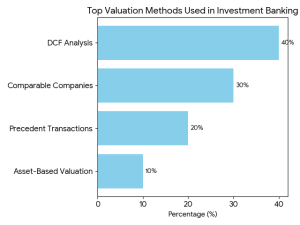
No matter whether you are raising a round, selling your business, adding in a co-investor or restructuring debt, valuation is the foundation of all financial decisions. Investment bankers employ techniques such as DCF (Discounted Cash Flow), comparable company analysis, and precedent transactions to reach an amply defensible and market-tested valuation. For founders, knowing your company’s valuation isn’t just about the number — it’s about knowing which levers move that number.

valuation methods chart

Business Valuation Advisory for mid-market companies

4. Underwriting

An investment bank that underwrites new shares or bonds sells the securities to individual investors and purchases any unsold shares or bonds, thus taking the risk of the securities. The underwriting of IPOs, follow-on issues, and huge debt raises are integral to the process.

5. Corporate Restructuring

They aren’t always a growth story. In some cases companies need to reorganize their assets, specially their debt, or to sell off non-core business, or to generate a return to profitability. In the execution of restructurings investment bankers can offer the strategic and financial skills necessary to preserve value and meet the needs of various parties.

6. Market Research & Industry Intelligence

Investment banks do extensive sector analysis before any deal is struck, covering competitive landscape, peer benchmarking, demand-supply analysis, and regulatory environment. This intelligence supports all recommendations that are provided to clients. 

The Three Core Divisions of Investment Banking

Investment banking is organised around three primary functions. Understanding the difference helps founders and businesses know exactly what service they need.

investment banking services

How the Front Office Works — Where Deals Get Done

The front office is the part of an investment bank that is in front of the client, dealing with the business. This is where relationships are formed, mandates are gained and transactions are accomplished. 

Let’s face it, here’s what bankers in the front-office do: 

  • Client Relationship Management: Knowledge of each client’s financial objectives, business model, and market position.
  • Pitching and Advisory: Proposals to the right strategy: capital raise, M&A, restructuring, or a mix of all three.
  • Due Diligence: Detailed investigation of operations, finances and risks prior to any agreement.
  • Financial Modelling and Valuation: Analyzing the financial aspects of each transaction, including Forecast Models and Scenario Analysis.
  • Execution: The entire transaction process ranges from mandate to close, which encompasses investor outreach, documentation and regulatory filings.
  • Risk Assess: Identifying deal level risks and creating the structures to mitigate them on behalf of the client.

If you are a founder who is working with an investment bank for the first time, the front office is where you will deal with them from the beginning. 

——————————————

FundTQ’s deal team has closed transactions across consumer, healthcare, and industrials.
If you are exploring a fundraise or acquisition:


investment banking services

Key Stakeholders in Every Investment Banking Transaction

Every deal involves multiple parties working in co-ordination. Understanding who they are — and what they want — is essential for any founder or business owner going through a transaction.

1. Investment Banks

Act as the advisor and intermediary. In India’s mid-market, firms like FundTQ occupy the space between boutique advisors and large global banks — offering specialist expertise, a curated investor network, and hands-on deal execution.

2. Corporate Clients (Founders and Companies)

The businesses seeking to raise capital, complete an acquisition, or execute a strategic exit. Their goal is to maximise value while minimising risk and disruption to operations.

3. Institutional Investors

Private equity funds, venture capital firms, family offices, and sovereign wealth funds that deploy capital into deals. FundTQ’s network includes 7,000+ investors — covering the full spectrum from seed-stage VCs to large buyout funds.

5 Trends Reshaping Investment Banking Right Now

The industry is evolving fast. These are the five shifts every founder and business owner should be aware of:

1. AI and Data-Driven Deal-Making
Artificial intelligence is being applied to investment banks for risk assessment, portfolio analysis, due diligence, and even to investor matching. AI is not about replacing judgment, it’s about enhancing it.

2. The Fintech Challenge
Fintech companies are opening up new channels to access financial services, which are otherwise dominated by traditional banks. Investment banks are evolving – becoming more advisory.

3. ESG and Impact Investing
Environmental, social, and governance considerations are now central to institutional investor mandates. Companies with high ESG scores tend to have a larger pool of capital available and may enjoy higher valuations.

4. Blockchain and Transaction Transparency
The technology of distributed ledgers is helping to optimize transaction records, verify and audit transactions without friction in cross-border deals and improve regulatory compliance.

5. RegTech and Compliance Automation
The banks are increasingly turning to RegTech solutions to automate compliance functions, thereby holding up deal execution without compromising on regulatory integrity.

Top Challenges in Investment Banking — and What They Mean for Clients

  • Regulatory Complexity: Specialist knowledge is needed to meet the requirements of SEBI guidelines, RBI guidelines and FEMA norms for cross-border transactions, along with sector-specific rules. Knowing what you are looking for in a banker is essential: you don’t just pick anyone.
  • Market Volatility: Deal timing and valuations can be materially impacted by interest rate cycles, geopolitical events and macro uncertainty. All but the most novice bankers are familiar with what it takes to structure a deal that’s not as vulnerable to market timing risk.
  • Cybersecurity: Sensitive data is associated with financial transactions. The investment banks and their clients need to uphold stringent cybersecurity measures during the deal process.
  • Talent and Relationship Depth: A person’s deal outcome relies a lot on their network and execution capability — not their firm’s brand name.

The Global Impact of Investment Banking

Investment banking is not just about individual transactions — it shapes entire economies.

  • Cross-border capital flows enable companies to fund expansion in new markets and geographies.
  • M&A activity merges industries, eases inefficiencies, and makes category leaders.
  • FDI facilitation draws foreign investment to developing economies, jobs and infrastructure.
  • Capital market development results in greater liquidity and allows more and more companies to access the public markets.
  • Systemic risk is better managed by banks, particularly in times of downturn, which helps to build economic stability.

global capital flowsIn India specifically, mid-market investment banking is a key driver of the startup ecosystem — connecting high-growth companies with the institutional capital they need to scale, acquire, or exit.


——————————————-

FundTQ is ranked among India’s Top 5 Investment Banks by Venture Intelligence, with partners from IIT Delhi, KPMG, PwC, and EY.
Explore how we can support your transaction:

get startup funding

Careers in Investment Banking — What It Takes

For those interested in building a career in investment banking, here are the core competencies that matter most:

Technical Foundation

A solid background in finance, accounting, or economics builds the analytical foundation, and financial certifications such as CFA or FRM can further strengthen it. Professionals at all levels are expected to demonstrate expertise in financial modelling, including DCF, LBO, and merger models.

Analytical Thinking

One of the key skills needed to be a successful investment banker is being able to analyse vast quantities of information and present it in a way that is easy to understand and act on. This skill is honed in case study practice, real deal analysis and financial modelling exercises.

Interpersonal and Communication Skills

The sales are made or lost in the client talk. What sets the good bankers apart from the great ones is their ability to convey complex financial concepts in an easy-to-understand manner, deal with many stakeholders, and demonstrate trust in stressful situations.

Investment banking is challenging, but for the high-stakes problem solver, it’s also the best place to be for exposure, pay and career growth. 

How to Choose the Right Investment Banking Partner

This is the most important decision a founder makes when entering a transaction. Here is what to evaluate:

  • Do they have any closed deals in your industry? The domain knowledge has a direct impact on the quality of the deals and investor access.
  • Network of investors- How broad and relevant is their network? A bank having 7,000+ investors will give more opportunities than a bank having 200 investors.
  • Track record- Request similar transactions. While logos are important, deal size and complexity are more important.
  • Team quality- Who is working on your deal? The attention of the senior is important throughout the process.
  • Transparency and alignment- Do they charge transparently and in a way that is aligned with your results? Are they clear and frequent communicators?

Why Founders Choose FundTQ

FundTQ brings together partners from IIT Delhi, KPMG, PwC, and EY with a curated network of 7,000+ investors across VC, PE, family office, and strategic acquirer categories. Our focus on consumer, healthcare, and industrial sectors means we bring targeted expertise — not generic advisory. Recent transactions include the Emami–Axiom Ayurveda acquisition and the Secret Alchemist Growth Capital raise.

Frequently Asked Questions – FAQs

Q. What are investment banking services?
They help businesses raise capital, execute M&A, obtain valuations, and make strategic financial decisions with expert support.

Q. Why do companies need investment banks?
Investment banks bring financial expertise, investor networks, and deal execution capability — enabling businesses to close complex transactions efficiently and at better terms.

Q. What is the difference between capital markets, corporate finance, and advisory?
Capital markets handles securities issuance and trading. Corporate finance focuses on a company’s internal funding and structure. Advisory covers M&A, restructuring, and strategic guidance.

Q. What do investment bankers do day to day?
They model financials, meet clients, prepare investor materials, conduct due diligence, manage deal timelines, and negotiate on their client’s behalf — from mandate through to close.

Q. What skills are needed to work in investment banking?
Technical finance skills (modelling, valuation), analytical thinking, and strong interpersonal and communication ability. It rewards ambition and continuous learning.

Q. How do I choose the right investment banking partner in India?
Prioritise sector expertise, investor network depth, comparable deal track record, and team quality. Look for a firm that treats your transaction as a strategic partnership — not just a fee engagement.

Conclusion

Investment banking advisory are a combination of capital, strategy and execution. From your initial institutional round to an acquisition to a strategic exit — the right investment banking partner can make the difference between a good outcome and a great outcome. The mid-market in India is one of the hottest deal markets in the world today. Whether it’s consumer brands expanding nationally, healthcare companies becoming targets for PE interest or industrial companies being attractive strategic acquisition targets, the opportunity is there — and investment banking is the vehicle for unlocking it.

——————————————

Ready to explore what investment banking can do for your business?
FundTQ has advised on transactions across consumer, healthcare, and industrials.

CONTACT US