
How to choose an investment banker in India for business fundraising, private equity and mergers and acquisitions.

How to Choose the Right Investment Banker in India for Fundraising and M&A

Choosing the right investment banking or transaction advisory firm depends on a company’s growth stage, revenue, transaction size, industry, and fundraising or M&A objectives. Some firms focus on growth-stage and mid-market businesses, while others typically work on larger corporate transactions, substantial capital raises, and complex advisory mandates.

Whether you are raising your first institutional round, looking for growth capital or planning to sell your business, the investment banker you choose shapes the outcome. A good banker helps you reach the right investors, get a fair valuation and close the deal on time.

India has a wide mix of advisory firms, from global consulting names to homegrown banks and sector-focused specialists. Each one works best for a certain type of company. This guide lists the top investment banks in India in 2026, what each one does, and how to pick the one that suits your business.


How to Choose the Right Investment Banker

  • Deal size: Choose a firm that regularly handles deals of your size, so your mandate gets real attention.
  • Sector experience: Bankers who know your industry can tell your story better and already know the active investors.
  • Senior attention: Ask who will run your deal day to day after the first meeting.
  • Investor network: Look for networks with VCs, PE funds, family offices and strategic buyers.
  • Recent track record: Recent deals in your space matter more than old headline transactions. Boutique banks offer aggressive services than big banks.

1. FundTQ

  • Best suited for: Growth-stage and mid-market companies seeking fundraising or M&A advisory.
  • Typical deal size: ₹50–200 crore and above.
  • Deal focus: Mid-market fundraising, strategic investments, and mergers and acquisitions.
  • Specialisation: Sector-focused investment banking and growth advisory.
  • Key sectors: Healthcare, Consumer Brands, Technology, Wellness, education, agriculture, and jewellery.
  • Core services: Equity Fundraising, Buy-Side and Sell-Side M&A, IPO Advisory, Valuation, Financial Modelling, Investor Outreach, and Deal Structuring.
  • Client type: Founder-led startups, SMEs, and growing brands.
  • Senior involvement: Partners remain hands-on throughout key stages, from pitch preparation and investor outreach to negotiations and deal closure.
  • Investor network: Venture capital funds, private equity firms, family offices, and strategic buyers.

2. Avendus Capital

  • Best suited for: Scaled startups, high-growth businesses, and established companies pursuing substantial fundraising or strategic transactions.
  • Typical deal size: ₹500 crore and above.
  • Deal focus: Large private equity rounds, M&A, and strategic corporate transactions.
  • Specialisation: Full-service investment banking and financial services.
  • Key sectors: Technology, consumer, healthcare, and financial services.
  • Core services: Equity Fundraising, M&A Advisory, Private Capital Solutions, Wealth Management, and Asset Management.
  • Client type: High-revenue businesses, scaled startups, established companies, financial sponsors, and large corporations.
  • Senior involvement: Senior bankers participate in strategic decisions and negotiations, with involvement depending on transaction size and complexity.
  • Investor network: Private equity funds, International institutional investors, and strategic buyers.

3. EY (Ernst & Young)

  • Best suited for: Large corporates, multinational companies, and businesses undertaking complex transactions.
  • Typical deal size: ₹500-1000 crore and above.
  • Deal focus: Corporate transactions, M&A, financial due diligence, and restructuring.
  • Specialisation: Integrated transaction advisory combining financial, tax, and commercial expertise.
  • Key sectors: Financial services, technology, healthcare, consumer, and industrials.
  • Core services: M&A Advisory, Due Diligence, Valuation, Tax Advisory, Restructuring, and Transaction Support.
  • Client type: Established businesses, large corporates, multinational companies, and private equity funds.
  • Senior involvement: Senior professionals oversee engagements, while specialist teams manage detailed execution.
  • Investor network: Institutional investors, private equity firms, corporate buyers, and strategic acquirers.

4. KPMG

  • Best suited for: Large businesses requiring financial due diligence, transaction support, restructuring, or complex deal advisory.
  • Typical deal size: ₹500-1000 crore and above.
  • Deal focus: Corporate M&A, transaction diligence, restructuring, and deal execution support.
  • Specialisation: Deal advisory, financial analysis, and risk-focused transaction services.
  • Key sectors: Financial services, technology, consumer, healthcare, and industrials.
  • Core services: Financial and Tax Due Diligence, Valuation, Deal Structuring, Transaction Advisory, and Restructuring.
  • Client type: Large Indian and global companies, multinational corporations, and private equity funds.
  • Senior involvement: Senior professionals provide strategic oversight, with direct involvement depending on the engagement and transaction complexity.
  • Investor network: Corporate acquirers, institutional investors, and private equity firms.

5. Deloitte

  • Best suited for: Large enterprises and multinational companies seeking integrated transaction advisory and corporate finance support.
  • Typical deal size: ₹1,000 crore and above.
  • Deal focus: Enterprise-level transactions, M&A, financial analysis, and post-transaction integration.
  • Specialisation: Transaction advisory supported by financial, tax, risk, and consulting capabilities.
  • Key sectors: Technology, consumer, healthcare, financial services, and industrials.
  • Core services: M&A Advisory, Valuation, Due Diligence, Transaction Support, Restructuring, and Post-Deal Integration.
  • Client type: High-revenue enterprises, multinational corporations, and large private equity-backed businesses.
  • Senior involvement: Senior leadership oversees strategic and complex matters, supported by specialist teams for execution.
  • Investor network: Strategic buyers, institutional investors, and private equity firms.

6. PwC (PricewaterhouseCoopers)

  • Best suited for: Established corporates, multinational companies, and private equity-backed businesses undertaking significant transactions.
  • Typical deal size: ₹500 crore and above.
  • Deal focus: Corporate M&A, transaction services, financial due diligence, and restructuring.
  • Specialisation: Deals advisory supported by financial, tax, and business consulting expertise.
  • Key sectors: Consumer, healthcare, technology, financial services, and industrials.
  • Core services: M&A Advisory, Valuation, Financial Due Diligence, Transaction Support, and Restructuring.
  • Client type: Established businesses, large corporates, multinational companies, and private equity funds.
  • Senior involvement: Partners and senior directors provide oversight, with direct involvement depending on the engagement scope and transaction requirements.
  • Investor network: Private equity firms, institutional investors, and strategic acquirers.

7. Ambit

  • Best suited for: Mid-market and large companies seeking investment banking, capital markets, or corporate finance support.
  • Typical deal size: ₹400 crore and above.
  • Deal focus: Corporate finance, capital markets, and strategic financial transactions.
  • Specialisation: Investment banking supported by research and institutional market expertise.
  • Key sectors: Financial services, consumer, healthcare, and industrials.
  • Core services: Investment Banking, Fundraising, Corporate Finance, Institutional Equities, and M&A Advisory.
  • Client type: Mid-sized businesses, established companies, and larger Indian corporates with significant financing requirements.
  • Senior involvement: Senior bankers guide transaction strategy and key negotiations, with involvement depending on deal size and complexity.
  • Investor network: Institutional investors, private capital providers, and strategic buyers.

8. JM Financial

  • Best suited for: Established businesses and large corporates pursuing capital markets transactions, fundraising, or strategic M&A.
  • Typical deal size: ₹1000 crore and above.
  • Deal focus: IPOs, equity and debt fundraising, and large corporate transactions.
  • Specialisation: Full-service investment banking and financial services.
  • Key sectors: Financial services, healthcare, consumer, technology, and industrials.
  • Core services: IPO Advisory, M&A, Equity Fundraising, Debt Capital Markets, and Corporate Finance.
  • Client type: Large corporates, listed companies, established businesses, and financial sponsors.
  • Senior involvement: Senior bankers oversee major transactions and strategic decisions, with direct involvement varying by mandate.
  • Investor network: Institutional investors, private equity funds, public-market investors, and strategic acquirers.

9. Kotak Investment Banking

  • Best suited for: Large Indian corporates and established businesses undertaking substantial capital markets or strategic transactions.
  • Typical deal size: ₹2,000 crore and above.
  • Deal focus: Large equity and debt transactions, IPOs, QIPs, and M&A.
  • Specialisation: Investment banking and capital markets backed by a diversified financial services group.
  • Key sectors: Financial services, technology, consumer, healthcare, and industrials.
  • Core services: Equity and Debt Fundraising, IPOs, QIPs, M&A Advisory, and Debt Capital Markets.
  • Client type: Large-revenue enterprises, listed companies, and established Indian corporates with substantial capital requirements.
  • Senior involvement: Senior bankers lead key strategic discussions and negotiations, supported by dedicated transaction teams.
  • Investor network: Institutional investors, public-market investors, private equity funds, and strategic buyers.


How Should Companies Choose the Right Investment Banking Firm?

The right firm depends on the company’s revenue, growth stage, funding requirement, transaction complexity, and strategic objectives.

  • For growth-stage and mid-market businesses: Consider firms with relevant sector experience, appropriate mandate sizes, and hands-on senior involvement.
  • For large private equity transactions: Evaluate firms with experience in substantial institutional fundraising, investor negotiations, and large-ticket deals.
  • For IPOs and capital markets: Consider firms with a demonstrated track record in public offerings, QIPs, and equity or debt capital markets.
  • For complex corporate transactions: Assess the firm’s capabilities in due diligence, valuation, restructuring, and transaction execution.
  • For sector-specific fundraising: Prioritise industry knowledge, relevant investor relationships, and an understanding of the company’s business model.

Companies should also assess the proposed deal team, senior banker accessibility, fees, investor reach, and the level of support available throughout the transaction.


Which Investment Bank Should You Choose?

The right investment bank is the one that fits your deal:

  • Raising ₹50–300 Cr in healthcare, consumer or tech: A sector-focused mid-market bank like FundTQ is usually a natural fit.
  • Very large late-stage rounds: Larger homegrown banks such as Avendus Capital, JM Financial and Kotak Investment Banking may suit you.
  • IPO or listing plans: Look at capital-markets-focused firms.
  • Need audit, tax and diligence together: The Big 4 can cover these under one roof.

Speak with two or three advisors, ask about their recent deals in your sector and size range, and find out who will actually manage your process.

For growth-stage and mid-market founders looking to raise ₹50–200 crore, FundTQ offers fundraising and M&A advisory tailored to founder-led startups, SMEs and growing brands. Its partners stay hands-on from pitch to closing, giving founders direct access to senior guidance through investor outreach, deal structuring and negotiations. For businesses seeking capital alongside practical support throughout the transaction, FundTQ is a strong option to consider.

The best choice depends on the company’s objectives, transaction size, sector, and the experience of the team handling the mandate. Companies should compare verified completed transactions and the proposed engagement team rather than relying on headline deal values alone.


Sodhi’s Retail private-label and store expansion strategy in Delhi NCR

Sodhi’s Retail Expansion Plans Focus on Private Labels and Delhi NCR

Sodhi’s Retail is building its growth plan around its own brands, more stores in Delhi NCR and easier shopping through stores and digital channels. FundTQ is the exclusive financial advisor to Sodhi’s Retail on its growth capital process.

According to the supplied company overview, Sodhi’s has 17 stores in Delhi NCR and earns more than 50% of its revenue from private-label products. The business aims to reach ₹2,000 crore in annual revenue by FY30. This is a future target, not its current revenue.

17 Stores

Current network, Delhi-NCR

>50%

Revenue from private label

17%

Targeted same-store sales growth

₹2,000 Cr

Current revenue / FY26 revenue + ₹2,000 Cr FY30 ambition

What Is Driving Sodhi’s Retail Expansion

Sodhi’s growth plan brings together three priorities: give customers more reasons to return, build a stronger presence in nearby markets and make shopping more convenient. The focus goes beyond opening stores. Each new location and product category needs to support sales, customer loyalty and sustainable growth.

Private Labels Give Customers a Reason to Return

Private labels are products sold under a retailer’s own brands. For Sodhi’s, these products already account for more than half of revenue, according to the company overview.

Its in-house brands include Sodhilicious, Snapdesi and Bold Brownie. The wider product range covers food, bakery items, household goods, toys, home furnishing and organic toiletries.

These products support Sodhi’s “Why Pay More” value proposition. They can help the business offer a different shopping basket and have more control over product selection, quality and pricing. Their success will depend on whether customers trust the products and buy them again.

A centralised bakery supplies the store network and more than 10 corporate customers, adding a business sales channel alongside retail shopping.

Sodhi’s Retail private-label and store expansion strategy in Delhi NCR

Delhi NCR Comes First in the Expansion Plan

Sodhi’s proposed expansion focuses on Delhi, Noida, Ghaziabad and Faridabad before a wider move into North India. Building stores closer together can make stock deliveries, local marketing and customer delivery services easier to manage.

Choosing the right locations remains important. A new store should reach enough customers to cover rent, staffing and stock costs. It should also add to the existing network rather than simply shift sales from a nearby Sodhi’s store.

Stores and Digital Shopping Work Together

Sodhi’s shopping model combines physical stores, digital ordering and 30-minute delivery. Drive-through formats are under development. The supplied overview also describes an application designed to support customer loyalty, billing and stock management.

For customers, this means more ways to shop. For the business, better stock information can help reduce unavailable products, while loyalty tools can help encourage repeat purchases.

Fast delivery also adds costs. Sodhi’s will need to balance convenience with the cost of picking, packing and delivering each order. Order value and repeat purchases will help show whether the service supports profitable growth.

Understanding the ₹2000 Crore FY30 Target

Sodhi’s aims to reach ₹2,000 crore in annual revenue by FY30. Its supplied plan also includes a 17% same-store sales growth target. Same-store sales growth means higher sales from existing, comparable stores, rather than growth from newly opened locations.

The main areas supporting these goals are:

  • More private-label products and stronger repeat demand.
  • New stores in core Delhi NCR markets.
  • Connected store, delivery and digital ordering services.
  • Selected new categories, including planned entry into athleisure clothing.

Progress should be measured through sales, store costs, stock movement and cash needs. These measures will help show whether expansion is building a stronger business. Both revenue and sales growth figures are targets, not achieved results.

How FundTQ Supports the Growth Capital Process

FundTQ is acting as the exclusive financial advisor to Sodhi’s Retail on its growth capital process, helping present its expansion plans, funding needs and growth priorities to prospective investors. Sodhi’s private-label sales, regional store network and connected shopping model form key parts of its investment story.

FundTQ specialises in sector-focused investment banking for growth-stage and mid-market founders, typically working on ₹50–200 crore transactions involving mid-size fundraising and M&A. It serves founder-led startups, SMEs and growing brands across healthcare, consumer brands, technology, wellness, education, agriculture and jewellery. Its services include equity fundraising, buy-side and sell-side M&A advisory, valuation, financial modelling, investor outreach and deal structuring.

With a network spanning VCs, PE funds, family offices and strategic buyers, FundTQ helps businesses connect with investors suited to their needs. Its partners stay hands-on from pitch to closing, providing continuity and senior guidance through investor discussions, negotiations and transaction execution.


Frequently Asked Questions


What is Sodhi’s Retail

Sodhi’s Retail is a regional supermarket business with a 17-store Delhi NCR network, according to the supplied company overview. It sells groceries and other consumer products, including its own brands.

What share of Sodhi’s revenue comes from private labels

Private-label products contribute more than 50% of Sodhi’s Retail revenue, according to the supplied company overview. Its in-house brands include Sodhilicious, Snapdesi and Bold Brownie.

Where does Sodhi’s plan to expand

Sodhi’s proposed expansion prioritises Delhi, Noida, Ghaziabad and Faridabad before a wider North India rollout.

What is Sodhi’s FY30 revenue target

Sodhi’s Retail aims to reach ₹2,000 crore in annual revenue by FY30. This is a future ambition and should not be described as current revenue.

Who is advising Sodhi’s Retail on growth capital

FundTQ is the exclusive financial advisor to Sodhi’s Retail on its growth capital process.

sell my business India

How to Sell Your Business in India: A Founder’s Step-by-Step Guide to M&A

When founders search “sell my business India”, they’ve already made up their mind. They just don’t know how to do it, and that costs them months, money, and sometimes a sale. Here’s a step-by-step guide to every phase of the M&A process: whether you’re ready to sell, valuations, and how to close with the right buyer.

When is the right time to sell your business in India?

The best time to sell a business in India is when the company is growing, financials are clean, and sector investor appetite is high — not after growth has plateaued or under financial distress.

Many people believe the myth: that you sell when you have to. The best exits happen when you don’t have to — when you have leverage. People will pay a premium for a company on the up, not one on the down.

There are three main reasons for timing:

  1. Growth trajectory: If you are at an inflection point – continuous revenue growth, growing margins, a strong market position – that’s the time. After the inflection, you’ll receive lower multiples.
  2. Market conditions: Sector multiples fluctuate. In the past five years, consumer brands, D2C, health and manufacturing have experienced distinct multiple cycles. An advisor can tell you where your sector is today.
  3. Owner readiness: Selling when burnt out is not a good idea You’ll get more for your business if you are selling it by choice, rather than necessity.

How to sell a business in India: step-by-step process

business sale process India timeline
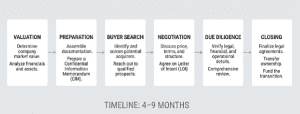
Selling a business in India typically involves 6 stages: valuation, deal preparation, buyer identification, negotiation, due diligence, and final closing — spanning 4 to 9 months end-to-end.

  1. Valuation & financial cleanup – Establish a realistic range using DCF, EBITDA multiples or market comps. Get your books in good shape.
  2. Develop pitch deck / CIM – A Confidential Information Memorandum is what buyers view your business through. It must be a credible growth story – not just numbers.
  3. Target the right buyers – Strategic vs financial buyers (competitors, conglomerates, niche players, private equity funds, family offices). They have different motives, time frames, and discounting.
  4. Negotiate the term sheet – Price, structure (cash, equity, earnout), board rights, founder lock-in. All parts affect price.
  5. Due diligence – Acquirers will deeply review financials, legal, IP, contracts and cap table. Be ready – surprises here can terminate the deal or significantly reduce price.
  6. Final agreements & close – Share Purchase Agreement (SPA), filings, payment transfer, and integration plans.

Business valuation in India — How Much is your Company Worth?

Valuation is where founder and buyer expectations differ. Knowing the three main methods helps you start a discussion from a place of knowledge.

Business valuation in India

In India, the industry is a critical factor. A D2C-focused consumer brand might be valued differently to a manufacturing SME with the same EBITDA. Healthcare and technology-enabled companies are currently more in favour. Ask your advisor for real comps – not benchmarks.

Founder sin: getting stuck on a number someone suggested 3 years ago. Markets move. Do a proper valuation before you talk to investors.

Preparing your Business for Sale

The 6-12 months leading up to buyers’ inquiries is more important than you think. A 6x exit is one of preparation, an 8x exit is one of execution.

> Most importantly, get financials in order: three years of audited accounts, clear GST history, normalised EBITDA (no founder expenses). Then, legal structure: is your cap table clean? Any disputes, lawsuits or unregistered IP?

> Structurally, acquirers don’t like founders. If the company can’t operate without you for 30 days, they’ll give you a discount for that. Develop the management team first.

> Finally, tighten the pitch. Your plan for TAM, unit economics, moat, expansion, etc., needs to be articulate before it’s asked.

How to Sell Your Business in India

Who can Help You Sell Your Business In India?

Three types of professionals operate in this space, and they are not interchangeable.

> Business brokers typically handle smaller ticket transactions (under ₹5–10 Cr) with a matchmaking model. They list your business and find buyers, but don’t manage the process or negotiate on your behalf.

> Chartered Accountants handle compliance and tax structuring exceptionally well but aren’t equipped to run a competitive buyer process or build the deal narrative.

> Investment bankers / M&A advisors manage the entire exit process — valuation, CIM, buyer outreach, term sheet negotiation, due diligence management, and deal closure. For mid-market deals (₹10 Cr+), this is where value creation happens. The right advisor doesn’t just find a buyer — they create competitive tension between buyers, which is what moves price.

Fee structures typically include a retainer (signals seriousness and funds the process) and a success fee tied to deal value — usually 1–3% depending on deal size.

Emami acquires majority stake in Axiom Ayurveda

Legal Requirements To Sell A Company In India

Legal aspects of a business sale in India vary based on deal structure (share sale or asset/slump sale) and the presence of foreign acquirers.

Key documents are the Share Purchase Agreement (SPA) that covers the reps & warranties, indemnities and conditions precedent. There will also be resolutions passed by the board and shareholders of the target company, and possibly regulatory approvals from the Reserve Bank of India (if a foreign company is involved) or SEBI (if a listed company).

Your M&A advisor should engage a transaction lawyer – it’s not worth skimping on. A bad SPA can leave you with post-closing liability that eats up all the deal proceeds you’ve worked so hard to secure.

Tax implications of selling a business in India

Selling a business in India attracts capital gains tax — long-term (20% with indexation) if shares held over 24 months, short-term (slab rate) if under. Deal structure (share sale vs slump sale) significantly affects the tax outcome.

This section is more important than most founders expect. Pre-deal tax planning may enhance the net proceeds.

In a share sale, the seller is liable for capital gains tax on the gain between the sale value and the share’s cost of acquisition. Long-term (shares held for 24+ months) is taxed at 20% with indexation. Short-term is taxed at the person’s income tax rate.

For a slump sale (sale of business as a going concern), the gain is based on net worth, not value of assets. This can be more or less tax-efficient.

Tax planning strategies – such as sales via a holding company, within a financial year, or Section 54F exemptions – should be discussed with a CA with M&A transaction experience before you enter into an agreement. 

Common Mistakes Founders Make When Selling Their Business

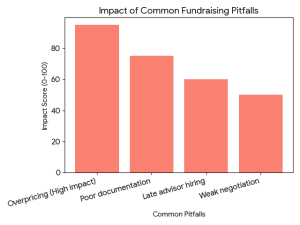
  • business sale mistakes India Anchoring high – Listing for a price that is not supported by financials or market comparable (comps) information. It’s a sign of inexperience to savvy buyers.
  • Poor documentation – Buyers will find holes. Fixing them before buyers do – and do – preserves valuations.
  • Hiring an advisor too late – Founders who seek advice after having initial discussions with buyers lose their negotiating power. Process, don’t respond to inbound.
  • Being impulsive – Selling to “friends”, without a process, is expensive. Buyers know this, and unsophisticated sellers pay for it.
  • Overlooking deal structure – A big headline deal with a huge earnout, rollover and deferred cash is not a cash deal. Do the math on the term sheet.

How long does it take to sell a business in India?

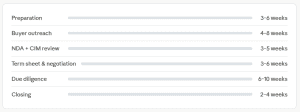
Selling a business in India typically takes 4 to 9 months from advisor engagement to deal closure, depending on deal complexity, buyer type, and diligence depth.

Selling a business in India

Deals with foreign buyers, regulatory complexity, or distressed situations take longer. Running a tight, well-managed process with an experienced advisor compresses timelines — because buyers know you’re organized and serious.

Frequently Asked Questions – FAQs

1. How do I sell my business in India quickly?
Speed comes from preparation, not luck. Fast-selling businesses have clean financials, a CIM, and a broker with a buyer list. Knowing who to sell to – strategic and financial buyers – shortens the time. FundTQ has a 7,000+ network of investors and acquirers.

2. What documents are needed to sell a company in India?
Critical documents include: 3 years audited financials, MoA/AoA, cap table, GST returns, IP registrations, customer and vendor contracts, board/shareholder resolutions, existing investor agreements. Your advisor will prepare a data room list for your business.

3. Do I need an investment banker to sell my business?
Yes, definitely for deals of ₹10-15 Cr or more. An investment banker conducts a competitive process, deals with information asymmetry to your advantage, and negotiates on your behalf for terms you may not be aware of. In most cases, the fee is many times recouped in value and structure.

4. What is the minimum valuation for selling a business in India?
There’s no regulatory minimum. But M&A consultancy is viable for deals over ₹5-10 Cr Enterprise value. Less than that, use a business broker or referral. For deals above ₹10 Cr, a formal process with an investment banker is preferable.

5. Can a foreign company acquire my Indian business?
Yes, as per FDI policy and industry caps. Some require RBI or govt approval. Your M&A advisor works with lawyers to navigate the regulatory process – it’s normal in cross-border deals.

—————————————————————————-

Ready To Explore Your Exit Options?

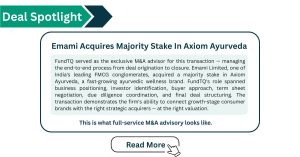
FundTQ is a top-ranked India investment bank with partners from IIT Delhi, KPMG, PwC, and EY — and a track record of closing deals across consumer, healthcare, and industrial sectors. Most recently, FundTQ advised on Emami’s majority stake acquisition in Axiom Ayurveda, end-to-end.

Whether you’re 6 months from a decision or 6 years, the right time to start the conversation is now.

sell my business in India quickly