
Sodhi’s Retail is building its growth plan around its own brands, more stores in Delhi NCR and easier shopping through stores and digital channels. FundTQ is the exclusive financial advisor to Sodhi’s Retail on its growth capital process.
According to the supplied company overview, Sodhi’s has 17 stores in Delhi NCR and earns more than 50% of its revenue from private-label products. The business aims to reach ₹2,000 crore in annual revenue by FY30. This is a future target, not its current revenue.
| 17 Stores
Current network, Delhi-NCR |
>50%
Revenue from private label |
17%
Targeted same-store sales growth |
₹2,000 Cr
Current revenue / FY26 revenue + ₹2,000 Cr FY30 ambition |
What Is Driving Sodhi’s Retail Expansion
Sodhi’s growth plan brings together three priorities: give customers more reasons to return, build a stronger presence in nearby markets and make shopping more convenient. The focus goes beyond opening stores. Each new location and product category needs to support sales, customer loyalty and sustainable growth.
Private Labels Give Customers a Reason to Return
Private labels are products sold under a retailer’s own brands. For Sodhi’s, these products already account for more than half of revenue, according to the company overview.
Its in-house brands include Sodhilicious, Snapdesi and Bold Brownie. The wider product range covers food, bakery items, household goods, toys, home furnishing and organic toiletries.
These products support Sodhi’s “Why Pay More” value proposition. They can help the business offer a different shopping basket and have more control over product selection, quality and pricing. Their success will depend on whether customers trust the products and buy them again.
A centralised bakery supplies the store network and more than 10 corporate customers, adding a business sales channel alongside retail shopping.
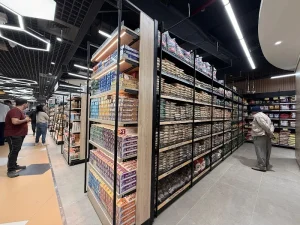
Delhi NCR Comes First in the Expansion Plan
Sodhi’s proposed expansion focuses on Delhi, Noida, Ghaziabad and Faridabad before a wider move into North India. Building stores closer together can make stock deliveries, local marketing and customer delivery services easier to manage.
Choosing the right locations remains important. A new store should reach enough customers to cover rent, staffing and stock costs. It should also add to the existing network rather than simply shift sales from a nearby Sodhi’s store.
Stores and Digital Shopping Work Together
Sodhi’s shopping model combines physical stores, digital ordering and 30-minute delivery. Drive-through formats are under development. The supplied overview also describes an application designed to support customer loyalty, billing and stock management.
For customers, this means more ways to shop. For the business, better stock information can help reduce unavailable products, while loyalty tools can help encourage repeat purchases.
Fast delivery also adds costs. Sodhi’s will need to balance convenience with the cost of picking, packing and delivering each order. Order value and repeat purchases will help show whether the service supports profitable growth.
Understanding the ₹2000 Crore FY30 Target
Sodhi’s aims to reach ₹2,000 crore in annual revenue by FY30. Its supplied plan also includes a 17% same-store sales growth target. Same-store sales growth means higher sales from existing, comparable stores, rather than growth from newly opened locations.
The main areas supporting these goals are:
- More private-label products and stronger repeat demand.
- New stores in core Delhi NCR markets.
- Connected store, delivery and digital ordering services.
- Selected new categories, including planned entry into athleisure clothing.
Progress should be measured through sales, store costs, stock movement and cash needs. These measures will help show whether expansion is building a stronger business. Both revenue and sales growth figures are targets, not achieved results.
How FundTQ Supports the Growth Capital Process
FundTQ is acting as the exclusive financial advisor to Sodhi’s Retail on its growth capital process, helping present its expansion plans, funding needs and growth priorities to prospective investors. Sodhi’s private-label sales, regional store network and connected shopping model form key parts of its investment story.
FundTQ specialises in sector-focused investment banking for growth-stage and mid-market founders, typically working on ₹50–200 crore transactions involving mid-size fundraising and M&A. It serves founder-led startups, SMEs and growing brands across healthcare, consumer brands, technology, wellness, education, agriculture and jewellery. Its services include equity fundraising, buy-side and sell-side M&A advisory, valuation, financial modelling, investor outreach and deal structuring.
With a network spanning VCs, PE funds, family offices and strategic buyers, FundTQ helps businesses connect with investors suited to their needs. Its partners stay hands-on from pitch to closing, providing continuity and senior guidance through investor discussions, negotiations and transaction execution.
Frequently Asked Questions
What is Sodhi’s Retail
Sodhi’s Retail is a regional supermarket business with a 17-store Delhi NCR network, according to the supplied company overview. It sells groceries and other consumer products, including its own brands.
What share of Sodhi’s revenue comes from private labels
Private-label products contribute more than 50% of Sodhi’s Retail revenue, according to the supplied company overview. Its in-house brands include Sodhilicious, Snapdesi and Bold Brownie.
Where does Sodhi’s plan to expand
Sodhi’s proposed expansion prioritises Delhi, Noida, Ghaziabad and Faridabad before a wider North India rollout.
What is Sodhi’s FY30 revenue target
Sodhi’s Retail aims to reach ₹2,000 crore in annual revenue by FY30. This is a future ambition and should not be described as current revenue.
Who is advising Sodhi’s Retail on growth capital
FundTQ is the exclusive financial advisor to Sodhi’s Retail on its growth capital process.