
The global eCommerce industry is expanding rapidly. With worldwide online retail sales projected to cross trillions annually, entrepreneurs are rushing to build digital-first brands. However, the biggest challenge most founders face is funding for e commerce business growth.
My experience of 8+ years working in an investment banking organization that advises startups, investors, and corporate clients has provided me with insights on how the proper funding plan can make a small eCommerce startup a scalable brand. Conversely, I have also witnessed some good businesses that failed just because they selected the wrong funding structure.
 The following is a comprehensive guide on how to raise capital on an eCommerce business, which entails the sources of funds, the expectation of investors, strategies of valuation, and steps that can be taken to raise capital effectively.
Understanding Funding for eCommerce Business
ECommerce Funding refers to the process of raising funds to initiate, run or expand an online store. The sources of this funding might include:
- Bootstrapping
- Venture capital
- Angel investors
- Startup business loans
- Revenue-based financing
- Private equity
- Strategic acquisitions
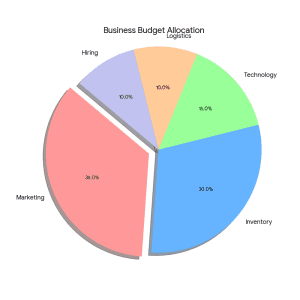
The eCommerce business, as opposed to the traditional retail, needs capital on digital marketing, inventory, logistics, technological infrastructure, and customer acquisition.
In investment banking terms, the three most fundable eCommerce startups have exhibited the following aspects:
- Scalable business model
- Strong unit economics
- Clear growth strategy
Investors would like to know the rate at which a business can transition between acquiring customers and becoming profitable.
Why eCommerce Businesses Need Funding
Funding marketing, software tools, branding is also necessary even in dropshipping business.
Major Areas of Funding Application.
 1. Inventory Procurement
The majority of eCommerce companies demand initial capital on suppliers and manufacturers.
2. Digital Marketing
Customers acquisition in terms of:
- Paid ads
- Influencer marketing
- SEO
- Social media campaigns
Frequently constitutes 30-40% of start up expenses.
3. Technology Infrastructure
This includes:
- Development of eCommerce platform.
- Payment gateways
- CRM systems
- Analytics tools
4. Logistics & Fulfillment
Warehousing, packaging and shipping systems need operational capital.
5. Hiring & Team Expansion
Scaling needs experts in:
- Marketing
- Operations
- Product development
- Customer support
Most eCommerce startups find it difficult to grow past initial traction unless adequately funded.
Types of Funding for eCommerce Businesses
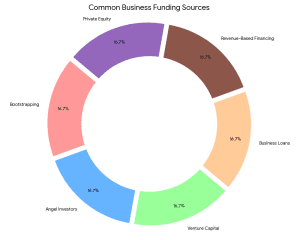 Understanding the different funding sources for eCommerce startups helps founders choose the right capital strategy.
1. Bootstrapping (Self-Funding)
Bootstrapping refers to the process of using personal savings or initial revenue to build your business.
Advantages:
- Full ownership
- No investor pressure
- Financial discipline
Disadvantages:
- Limited scalability
- Slower growth
Bootstrapping is most effective with low inventory eCommerce or digital product models.
2. Angel Investors
Angel investors are wealthy individuals who invest in startups.
They typically invest: $25,000 – $500,000
eCommerce startups usually start with first external financing by the angel investors.
What Angels Look For
- Strong founder story
- Product-market fit
- Scalable business model
- Clear growth strategy
Free Pitch Deck Templates can be extremely helpful when founders are going to pitch their business to angel investors.
3. Venture Capital for eCommerce Startups
Venture capital firms make investments in the high growth eCommerce companies that have big market potential.
Typical VC investments: $500K – $10M+
VCs focus on businesses with:
- Rapid customer growth
- High lifetime value (LTV)
- Strong brand positioning
It is important to have an organized startup fundraising plan and investor-ready pitch deck in order to attract venture capital.
4. Startup Business Loans
Another funding source is business loans.
These include:
- Bank loans
- SBA loans
- Fintech lending platforms
- Working capital loans
Advantages
- Retain equity
- Predictable repayment
Disadvantages
- Interest payments
- Documents and rigorous eligibility.
ECommerce models that are inventory-intensive and with predictable revenue benefit well with business loans.
5. Revenue-Based Financing
Revenue based financing is a method that enables startups to pay investors a percentage of the monthly revenue.
Benefits include:
- No equity dilution
- Flexible repayment
This model is used in the popular DTC (Direct-to-Consumer) brands.
6. Private Equity Funding
PE firms invest in the existing eCommerce firms that have a proven revenue base.
Typical requirements:
- $5M+ revenue
- Strong EBITDA margins
- Scalable infrastructure
Such companies tend to offer funds and strategic direction and operational enhancements.
7. Mergers & Acquisitions
Most successful eCommerce brands ultimately attract capital by means of strategic acquisition or mergers.
Merger and acquisition services to founders assist:
- Identify buyers
- Negotiate deal structures
- Maximize company valuation
It is typical of brands that are sold on Amazon, Shopify, or DTC.
How Investors Evaluate eCommerce Startups
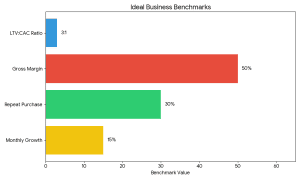 As someone involved in investment banking services, I can confirm that investors evaluate startups using several critical metrics.
- Customer Acquisition Cost (CAC).
CAC is an indicator of the cost of a customer.
Reduced CAC enhances profitability and investor confidence. - Lifetime Value (LTV)
LTV represents all the revenue made by a customer.
Investors would like businesses that have:
LTV : CAC ratio ≥ 3 - Gross Margin
Startups can reinvest because of high margins. Ideally, 50%+ gross margins in eCommerce businesses are desired by most investors. - Repeat Purchase Rate
Good brand loyalty enhances sustainability of business. - Market Opportunity
The TAM is analyzed by the investors when it comes to long-term scalability.
How to Prepare for eCommerce Startup Fundraising
Successful startup fundraising requires preparation and strategic positioning.
Step 1: Build a Financial Model
An effective financial model must have:
- Revenue projections
- Cost structure
- Cash flow forecasts
- Unit economics
Business valuation software can be used to enable founders to estimate company value appropriately.
Step 2: Design an Attractive Pitch Deck.
A good pitch deck must consist of:
- Problem & solution
- Market opportunity
- Business model
- Traction
- Financial projections
- Funding requirements
A great number of founders begin with free pitch deck templates and edit them to suit investors.
Step 3: Find the Valuation of Your Business.
Valuation depends on:
- Revenue growth
- Market potential
- Profit margins
- Competitive advantage
Start up eCommerce ventures are normally assessed at:
- Revenue multiples
- Similar analysis of the company.
- Discounted cash flow models
Step 4: Find the Right Investors.
All investors do not invest in eCommerce.
Target investors that specialize in:
- DTC brands
- Retail tech
- Consumer startups
The advisors in investment banking usually assist founders to meet with the relevant investors.
Step 5: Establish Investor Relationships.
Fundraising is not a pitching thing only.
Effective founders are concerned with:
- Developing investor relations.
- Consistent traction is shown.
- Reporting progress on a periodic basis.
Common Mistakes eCommerce Founders Make While Raising Funds
Over the years, I have seen many startups fail in the fundraising process due to avoidable mistakes.
- Overvaluing the Business
Delusional valuations drive away the investors. - Weak Financial Projections
Investors will not accept guesses but projections based on data. - Poor Pitch Deck
With an ineffective pitch deck, it may be rejected at the first sight. - Ignoring Unit Economics
Most founders are driven by their revenues without paying attention to profitability measures. - Attacking the wrong Investors.
One of the least considered factors of start-up fundraising is investor targeting.
Expert Tips for Raising Funding for an eCommerce Business
Based on my experience advising founders and investors, here are practical strategies:
1. Target Brand Differentiation.
Investors are rarely interested in generic stores.
Create a good brand story and product differentiation.
2. Demonstrate Early Traction
Even small metrics help:
- 5,000+ customers
- $10K monthly revenue
- Strong repeat purchase rate
3. Optimize Unit Economics
Demonstrate to the investors that you have a business that can be scaled and profitable.
4. Leverage Strategic Advisors.
Cooperation with companies that provide investment banking services can assist startups:
- Structure deals
- Negotiate valuation
- Access investor networks
The Future of eCommerce Funding
The funding landscape for eCommerce startups is evolving rapidly.
Key trends include:
- Emergence of revenue-based financing.
- Greater emphasis on profitable expansion.
- Expansion of Amazon brand aggregators.
- Artificial intelligence business valuation software.
- Investment in cross-border eCommerce.
Modern investors focus on sustainable growth rather than aggressive growth.
Conclusion
Funding an eCommerce business is not just about raising capital — it is about choosing the right financial strategy to support long-term growth. Entrepreneurs who prepare strong financial models, create compelling pitch decks, and demonstrate solid unit economics significantly improve their chances of securing investment.
From my experience in investment banking services and startup advisory, the most successful founders treat fundraising as a strategic process rather than a one-time event. By combining the right funding sources with strong execution, eCommerce entrepreneurs can build scalable, high-value digital brands.

Frequently Asked Questions (FAQ)

Q. How do I get funding for an eCommerce startup?
You may raise funds by:
- Angel investors
- Venture capital firms
- Startup business loans
- Revenue-based financing
- Crowdfunding
An excellent startup funding plan and pitch deck will greatly enhance the chances of being funded.
Q. Can I get a business loan for an eCommerce business?
Yes. Most of the banks and fintech lenders provide startup business loans to eCommerce based businesses, particularly where a company has consistent revenue or inventory assets.
Q. What do investors look for in an eCommerce startup?
Investors usually consider:
- Customer acquisition cost (CAC)
- Lifetime value (LTV)
- Gross margins
- Market size
- Growth potential
- Brand differentiation
Q. How much funding do eCommerce startups need?
The start-up eCommerce ventures generally raise between:
Between 50,000 and 2 million dollars based on inventory needs and marketing costs.
Q. What is the best funding option for eCommerce businesses?
The best funding option depends on your business stage:
- Bootstrapping → early stage
- Angel investors → product validation
- Venture capital → scaling
- Business loans → inventory expansion
- Private equity → large-scale growth
Q. How do I value my eCommerce startup?
You can calculate valuation based on:
- Revenue multiples
- Similar company profile.
- Discounted cash flow models
- High-end business valuation software.
![Expert Investment Banking Services in Mumbai for Growing Businesses [2026]](https://fundtq.com/wp-content/uploads/2026/02/blog-7-150x150.jpg)

