
Food Startup Funding: A Guide to Raising Capital for Growth-Stage Food Businesses
Food and beverage companies continue to attract investor interest because of their resilient demand, evolving consumer preferences, and opportunities for brand-led growth. Segments such as functional snacks, clean-label products, protein brands, food processing businesses, supply chain innovation, and food logistics platforms have seen growing interest from strategic investors, private equity funds, and institutional capital providers. However, investors increasingly favors in Funding For Food Sector businesses with proven revenue models, strong unit economics, scalable distribution networks, and clear competitive positioning rather than early-stage concepts. Businesses that demonstrate repeat purchase behavior, healthy margins, and operational discipline are generally better positioned to raise capital.
At FundTQ, we regularly work with growth-stage companies across food processing, consumer brands, agribusiness, and FoodTech sectors. One common observation across successful transactions is that capital follows fundamentals. Strong businesses attract investors; capital itself is rarely the primary challenge.
This guide explains the different funding options available to food businesses, how investors evaluate opportunities, key metrics that influence valuation, and how companies can prepare for institutional fundraising and strategic growth.
Why Investors Continue to Back Food and Beverage Businesses
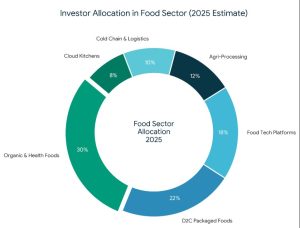
The food and beverage industry benefits from long-term consumer demand, changing dietary preferences, and increasing spending on premium and health-oriented products. Investors are particularly interested in businesses operating in categories with strong growth potential and scalable business models.
Areas attracting capital include:
- Functional snacks and healthy packaged foods
- Organic and clean-label brands
- Protein and nutrition products
- Food processing and manufacturing businesses
- FoodTech platforms
- Supply chain innovation companies
- Cold chain and food logistics businesses
- D2C food brands with strong customer retention
Apart from revenue growth, investors are attracted to the sector because it offers multiple exit opportunities through acquisitions, strategic partnerships, and public markets. Businesses with differentiated products, efficient supply chains, and sustainable margins are generally able to command higher valuations and attract long-term capital.
This complete guide will walk you through:
- Types of funding available
- How investors evaluate food businesses
- Strategic startup fundraising process
- Documents you must prepare
- Common mistakes to avoid
- Expert insights on valuation & scaling
What Is Strategic Funding for Food Businesses?
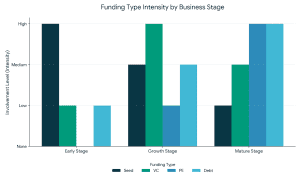
Strategic funding refers to capital provided by investors who contribute more than financial resources. These investors bring industry expertise, market access, operational support, distribution capabilities, and long-term strategic guidance. Unlike traditional loans, strategic capital focuses on value creation and business expansion. Depending on the stage and objectives of the company, strategic investors may include private equity firms, family offices, institutional investors, corporate groups, or industry participants seeking long-term partnerships.
For growth-stage food businesses, strategic capital often helps accelerate geographic expansion, strengthen supply chains, improve manufacturing capacity, and build stronger brands.
Types of Capital Available for Food Businesses
# Private Equity
Private equity investors typically focus on businesses with established revenues, strong operating metrics, and scalable growth opportunities. Capital is often used for capacity expansion, acquisitions, distribution growth, and international expansion.
# Strategic Investors
Strategic investors bring industry expertise, market access, and operational support in addition to capital. Their involvement can accelerate growth and improve competitive positioning.
# Debt Financing
Debt capital may be suitable for working capital requirements, machinery purchases, warehouse expansion, and manufacturing capacity enhancement. Companies with stable cash flows are generally better positioned to access debt financing.
# Structured Capital
Structured financing solutions allow companies to balance growth objectives while minimizing excessive equity dilution.
# Pre-IPO and Growth Capital
Larger businesses with significant scale may explore growth capital or pre-IPO financing to support expansion and prepare for future public market opportunities.
How to Find Investors for a Food Business
Finding investors requires more than sending pitch decks to hundreds of contacts. Institutional investors evaluate companies based on fundamentals, scalability, and market positioning.
Potential sources of capital include:
– Private Equity Firms
Suitable for mature companies seeking expansion capital.
– Family Offices
Family offices often prefer businesses with strong cash flows and differentiated products.
– Strategic Investors
Corporate groups and industry participants can provide both capital and operational support.
– Institutional Investors
Institutional capital providers focus heavily on financial discipline, profitability, and growth visibility.
– Debt Providers
Debt financing can complement equity and reduce dilution.
The quality of the business often determines the quality of investor conversations. Strong unit economics, distribution capabilities, and clear growth strategies significantly improve fundraising outcomes.
How to Prepare Your Food Business for Institutional Capital
Step 1: Validate Commercial Scalability
Before approaching investors, businesses should demonstrate:
- Repeat purchases
- Healthy gross margins
- Distribution scalability
- Efficient working capital management
Capital cannot compensate for weak fundamentals. Investors generally back businesses with proven demand and predictable economics.
Step 2: Build Robust Financial Projections
Institutional investors expect clarity around:
- Revenue growth assumptions
- EBITDA margin expansion
- Working capital requirements
- Capital deployment plans
- Cash flow projections
Strong financial models improve credibility and valuation discussions.
Step 3: Develop an Investor-Ready Pitch Deck
The pitch deck should explain:
- Market opportunity
- Business model
- Revenue traction
- Unit economics
- Competitive positioning
- Growth strategy
- Capital requirements
- Use of proceeds
Step 4: Prepare for Due Diligence
Investors usually review:
- Financial statements
- Regulatory compliance
- FSSAI licenses
- Vendor agreements
- Tax records
- Supply chain arrangements
Companies that prepare early typically experience smoother transactions.
FoodTech and Supply Chain Businesses Attracting Investor Interest
Investor interest extends beyond consumer brands. Capital providers are actively evaluating businesses operating in:
- Food processing technologies
- Supply chain optimisation
- Cold-chain infrastructure
- Food logistics platforms
- Traceability solutions
- Automation technologies
- B2B food distribution platforms
- Alternative protein and ingredient businesses
Investors generally focus on scalability, recurring revenue visibility, operational efficiency, and market size when evaluating FoodTech businesses.
How Investors Evaluate Food Businesses
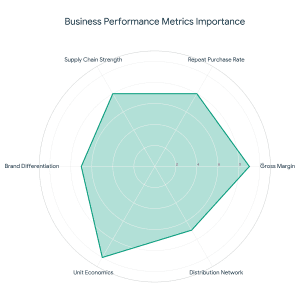
Investors generally focus on a combination of financial performance, operational efficiency, and market positioning.
– Gross Margins
Healthy gross margins indicate pricing power and scalability.
– Repeat Purchase Behaviour
What Do Investors Look For Before Investing in Food Businesses?
Investors typically evaluate:
| Factor | Importance |
|---|---|
| Revenue growth | High |
| Gross margins | High |
| Distribution reach | High |
| Working capital efficiency | High |
| Customer retention | High |
| Supply chain resilience | Medium |
| Brand differentiation | High |
| Profitability visibility | High |
Strong customer retention demonstrates product acceptance and brand strength.
– Distribution Strength
A diversified distribution strategy across retail, modern trade, marketplaces, and D2C channels improves scalability.
– Supply Chain Efficiency
Reliable sourcing and efficient inventory management reduce operational risks.
– Unit Economics
Contribution margins, customer acquisition costs, and working capital cycles play an important role in valuation discussions.
– Brand Differentiation
Businesses with strong positioning and defensible categories often command premium valuations.
What Is the Best Financing Option for Food Brand Growth?
The ideal capital structure depends on the stage and objectives of the business.
- Debt financing may support manufacturing expansion.
- Private equity can accelerate distribution and acquisitions.
- Strategic investors may provide market access and operational expertise.
- Structured capital can reduce excessive dilution.
- Growth capital may support international expansion and product diversification.
The right solution is rarely one-size-fits-all. Companies often combine debt and equity to optimize growth while maintaining ownership flexibility.
Examples of Food Businesses That Successfully Raised Capital
Several food and beverage companies have attracted institutional and strategic capital by combining strong brands with scalable business models.
– Country Delight
Built a vertically integrated fresh food platform and expanded through institutional funding.
– The Whole Truth
Focused on clean-label products and consumer trust to attract growth capital.
– Yoga Bar
Scaled its healthy snacks portfolio and strengthened distribution before raising funding.
– Slurrp Farm
Created differentiated products focused on children’s nutrition and expanded through strategic investment.
– Licious
Built supply chain capabilities and premium positioning to become one of India’s largest consumer brands.
These examples illustrate that investors generally reward businesses with strong execution, differentiated positioning, and scalable operations.
Common Mistakes Food Businesses Make During Fundraising
- Overestimating valuation expectations
- Weak unit economics
- Poor inventory management
- Inadequate working capital planning
- Generic investor presentations
- Approaching investors before achieving business readiness
- Lack of financial reporting discipline
How Investment Banking Services Add Value
Professional investment banking can:
- Plan the fundraising process.
- Prepare financial models
- Conduct valuation analysis
- Find the suitable investor type.
- Negotiate term sheets
- Deal execution.
Food sector fundraising is relationship based. Strategic positioning and targeted investor relationships are often more important than mass investor outreach.
Key Metrics You Must Track Before Fundraising
The most important metrics that you should monitor prior to fundraising.
- Cost of Acquiring Customer (CAC)
- Lifetime Value (LTV)
- Gross margin
- Burn rate
- Inventory turnover ratio
- Break-even timeline
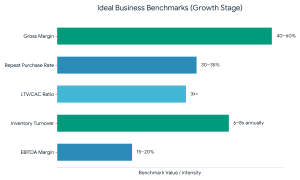 Even the most effective startup fundraising will not work without a powerful grip on these numbers. A business valuation calculator is a tool to consider with care so as not to over dilute the company to the point that future funding round is restricted.
Final Thoughts:
You should raise funding if:
- You have validated demand
- Margins are scalable
- You want rapid expansion
- You must have strategic alliances.
Avoid funding if:
- Unit economics are broken
- You have no operational control.
- Cash flow is unstable
Conclusion:
Raising capital for food sector companies is rarely straightforward.
It demands:
- Financial discipline
- Market validation
- Strategic positioning
- Professional documentation
- Strong negotiation
As more people are interested in Funding in Organic Food Companies and scalable D2C food brands, it is a good moment to raise capital now, assuming your fundamentals are sound.
When you go about the startup fundraising process in a strategic manner, utilise investment banking services appropriately, and make all the necessary preparation in terms of proper valuation tools and pitch deck templates, your food business will be able to attract the right investors and grow in a sustainable manner.
Key Characteristics of Fundable Food Businesses
From our experience working with growth-stage companies, businesses that attract institutional capital often share certain characteristics:
- Strong unit economics
- Consistent revenue growth
- Scalable distribution channels
- Efficient supply chains
- Clear brand positioning
- Healthy gross margins
- Strong governance and reporting practices
While every transaction is unique, investors generally priorities businesses with operational discipline and long-term growth visibility.
Looking for Strategic Capital for Your Food Business?
FundTQ works with growth-stage companies seeking institutional and strategic capital.
Our support includes:
– Fundraising strategy
– Financial modelling
– Valuation analysis
– Investor readiness assessment
– Pitch deck preparation
– Debt and equity advisory
– Investor outreach support
If your company is preparing for expansion, acquisitions, or institutional fundraising, connecting with experienced advisors can improve transaction readiness and help align capital with long-term business goals.
Frequently Asked Questions About Food Business Funding
1. How do I find investors for a food business?
Investors can be approached through private equity firms, family offices, strategic investors, institutional capital providers, and industry networks. Companies with strong fundamentals and scalable business models typically attract better investor interest.
2. What is food startup funding?
Food startup funding refers to equity, debt, or strategic capital used by food businesses to expand operations, distribution, manufacturing capacity, or product portfolios.
3. What is the best financing option for food brand growth?
The right financing structure depends on growth objectives. Many businesses combine debt and equity capital to support expansion while managing dilution.
4. Can food businesses raise private equity funding?
Private equity firms often invest in businesses with established revenues, healthy margins, and clear expansion opportunities.
5. How much capital is required to scale a food business?
Private equity firms often invest in businesses with established revenues, healthy margins, and clear expansion opportunities.
6. What do investors look for in food businesses?
Investors evaluate:
- Revenue growth
- Gross margins
- Distribution strength
- Working capital efficiency
- Brand positioning
- Customer retention
- Unit economics
7. Who invests in food businesses?
Private equity firms, family offices, strategic investors, institutional funds, and debt providers.