Funding Readiness Checklist

Funding Readiness Checklist: Prepare Your Business for Investment in 2025 & Beyond

One of the most transforming moves that a business can make is the act of raising capital. Yet the brutal truth is: most of the startups and middle market businesses do not raise funding not because their idea is not a good idea but because they are not an investable company. It is here that the funding readiness checklist comes in. It is a step by step guide that will make your business ready to impress investors, raise funds effectively, and grow successfully not just in 2025 but in 2026.

You will find a realistic, practical checklist in this guide, which includes financials, legal preparedness, team, market strategy, fundraising planning, and others. You will have just the answer to know how to get your business ready to be invested in without fear.

Why a Funding Readiness Checklist Critical?

Hundreds of pitch decks are received by investors on a monthly basis. It is the matter of preparation that is the difference between success and rejection.

A Funding Readiness Checklist can assist you:

  • State your business professionally.
  • Present all the required documents and information investors require.
  • Don’t make expensive errors to cripple funding.
  • Develop investor confidence and trust.

Imagine it as a pre-flight checklist – one step will result in postponement or risk of funding.

Pro Tip: Start preparing early. Investors notice when founders are proactive about 2025–2026 funding

business valuation software
Key Sections of a Funding Readiness Checklist

There are six important areas that a solid Funding Readiness Checklist must cover. Let’s break them down:

1. Financial Preparedness

Numbers are important to investors. Your finances should also be correct, open as well as proactive.

Checklist items:

  • Financial statements ( Income Statement, Balance Sheet, Cash Flow) audited or reviewed.
  • Projections and forecasts of 2025 and 2026.
  • Unit economics and burn rate (startups).
  • Equity structure and cap table.
  • Debt obligations and liabilities.

Why it is important: Clean and well-organised finances are a source of confidence and show that your business is able to grow sustainably.

2. Business Model Clarity

Shareholders would like to know how your company generates value.

Checklist items:

  • Clear value proposition
  • Pricing strategy and revenue model.
  • Market and customer acquisition.
  • Differentiation and competitive landscape.
  • Potential to expand threefold between 2025 and beyond.

3. Legal & Compliance Readiness

No other thing can destroy the confidence of the investors as much as the legal or regulatory problem.

Checklist items:

  • Registration and licenses of businesses. (Check Now)
  • Ownership of intellectual property and patent.
  • Hiring agreements and contracts.
  • Impending litigation or regulation issues.

4. Management Team & Governance

Investors are not investing in ideas only.

Checklist items:

  • Relevant experienced key team members.
  • Advisory board or mentors
  • Governance structure
  • Clearly defined roles and responsibilities.

Tip: Spotlight accomplishments, past exits or industry experience – this develops competence and power.

5. Market & Growth Strategy

Investors desire to see that your business can grow.

Checklist items:

  • Total Addressable Market (TAM) and Serviceable Available Market (SAM).
  • Go-to-market (GTM) strategy for 2025–2026
  • Customer Acquisition Cost (CAC) and Lifetime Value (LTV).
  • New markets, or new product lines expansion.

6. Fundraising Strategy

Lastly, your checklist must describe your fundraising strategy.

Checklist items:

  • Type and amount of targeted investment (equity, debt, convertible notes)
  • Optimal types of investors (VC, angel, PE, strategic)
  • Investor pitch and investor presentation.
  • Timeline and milestones
  • Contingency plans

Common Mistakes Founders Make

Founders are known to trip even with a checklist.

Avoid these pitfalls:

  • Unfinished or dishevelled financials – destroys credibility.
  • Excessive projecting of market size – investors like real projections.
  • Ignoring legal preparation IP or compliance can come to a halt.
  • Overlooking deadlines -The raising of funds will consume more time than anticipated.
  • Poor team presentation- investors emphasise on how things are done rather than what is said.

Hint: Your checklist will help you to cover every area and avoid such mistakes when approaching investors.

Read About: How to Raise Series A Funding in India (2025 Guide)

How to Use Your Funding Readiness Checklist Effectively

  • Timing is everything – Now preparing 20252026 funding rounds.
  • Check all the parts- Do not omit any part.
  • Seek professional consultation – It may be advisable to seek professional advice such as FundTQ to figure out the gaps.
  • Communicate frequently – Markets, finances and strategy change; revisit on a quarterly basis.
  • Get your team in line – distribute the checklist across the team and make sure everyone is on board.

free pitch deck templates
Bonus Tips for 2025–2026 Funding Success

  • Storytelling with data: Investors are obsessed with graphs and numbers.
  • Online presence: Have a professional LinkedIn and Web site.
  • Scenario planning: “Make best-case and worst-case funding estimates.
  • Know your numbers: Be prepared to tell financials in a comprehensive fashion.
  • Regular follow-ups: Reflective follow-up messages are a sign of professionalism.

Learn About: 9 Ways of Fundraising for Startups in India

FAQs

Q1: What is a Funding Readiness Checklist?

A: It is a guide on how founders should make their business investable, including financials, legal preparation, team, market plan, and fundraising.

Q2: At what time do I begin preparing a funding round?

A: 6-12 months before you are having the fundraising. This checklist will be useful in 20252026 planning.

Q3: Is it possible to operate with the same checklist with equity and debt financing?

A: Yes, the core readiness items are applicable to both, however, your section of fundraising strategy can vary.

Q4: What is the frequency of checking the checklist?

A: Quarterly changes will be recommended to capture financial changes, market trends and staff growth.

Bottom Line

Like in business, relying on raising capital, it is preparation and not a matter of luck. A Funding Readiness Checklist is a way to make sure that your business is organized, believable and that it is investor-ready by 2025 and 2026. This guide will help you minimise risks, speed up your startup funding process, and come out as a confident, credible founder before investors.

Next Step: Download our complete Funding Readiness Checklist (2025-2026) and determine your company investor readiness in the present.

Get Your Funding Readiness Checklist

Raise Series A Funding

How to Raise Series A Funding in India (2025 Guide)

The Raise Series A Funding is an important step in the life of a startup that wants to grow beyond its initial momentum. Although seed funding assists to prove the fit of your product-market, Series A is regarding growth through expansion, gaining more customers, and maintaining sustainability.

The Indian startup ecosystem is also very competitive and data-driven in 2025. The investors are not just focusing on revenue anymore, they desire scale business models, clear unit economics, strong leadership teams, and robust growth strategies.

Composing a detailed FundTQ (one of the leading investment banking and fundraising advisory firms in India) guide takes founders through the preparation process to close off your Series A round, trends, important documents and timelines.

What Is Series A Funding?

The initial major institutional round of venture capital is Series A financing that a start-up company receives following demonstration of a sound concept and momentum.

Investors in Series A expect:

  • A clear problem-solution fit
  • Existence of market demand and traction.
  • A repeatable and scalable business model.
  • An effective and creative founding team.

Purpose of Series A funding:

  • Hire and scale your team
  • Expand products or services
  • Enter new markets
  • Improve operational abilities.

Concisely, Series A converts an idea that has been tested into a business that is ready to grow.

Series A Funding Size and Valuation in India

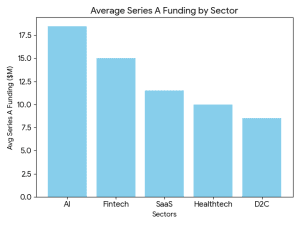
Series A funding amounts vary by sector, traction, and investor appetite. Typical ranges are:

Series A Funding Size

Tip: FundTQ helps startups determine realistic Raise Series A Funding amounts and optimal valuations using data-driven financial modeling.

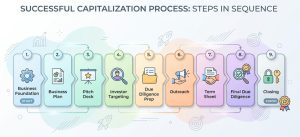
Step-by-Step Guide to Raising Series A Funding

Step 1: Strengthen Your Business Foundation
Make sure your fundamentals are good before approaching investors:

  • Market Opportunity: Identify your TAM, SAM, and SOM.
  • Business Model Clarity: Show how to make money and keep it going.
  • Traction Metrics: User growth, revenue, retention rates, CAC, LTV, engagement metrics.
  • Unit Economics: Focus on gross margins, burn rate and profitability potential.

FundTQ optimises financial forecasts and business models to fulfil the expectations of investors.

Step 2: Build a Comprehensive Business Plan

Your business plan must narrate the facts about your startup story:

  • Executive summary & vision
  • Problem-solution analysis
  • Market research/competitive environment.
  • Business model & revenue plan.
  • Financial estimates (35 years)
  • Risk analysis & mitigation
  • Scaling and expansion road-map.

FundTQ prepares investor-ready business plans that are in line with VC and PE requirements.

business valuation software

Step 3: Create a Winning Pitch Deck

The first thing people see is your pitch deck. Essential slides include:

  • Issue and marketing need.
  • Solution (product/service)
  • Product demo or screenshots
  • Traction & milestones
  • Market Strategy and Competitive Advantage.
  • Financials & projections
  • Team and advisors
  • Financing needs and expenditure.

The FundTQ produces brief, attractive decks that are compliant with the international VC standards.

pitch deck templates for Raise Series A Funding
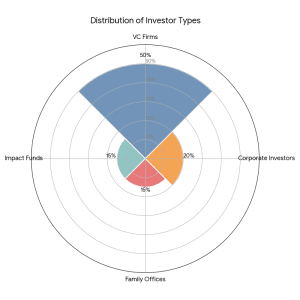
Step 4: Identify and Target the Right Investors

Not every investor fits so perfectly. Focus on:

  • Venture Capital Firms: Accel, Sequoia, Nexus, Chiratae.
  • Corporate Investors: Google for start-ups, Reliance Ventures.
  • Family Offices & HNIs: Best in niche and first mover.
  • Impact Funds: climate tech, healthtech and education ESG funds.

FundTQ offers selective access to investors in India and elsewhere in the world.

Step 5: Prepare for Due Diligence
Investors will verify:

  • Legal documents and registration of the company.
  • Tax filing and financial statements.
  • Cap table and equity structure.
  • IP ownership & customer contracts.
  • Regulatory compliance.

In order to facilitate due diligence, FundTQ performs pre-investment audits and establishes a virtual data room to facilitate the audit.

Step 6: Outreach and Investor Meetings

  • Provide a brief preview or summary.
  • Deliver your pitch deck through safe links.
  • Organize schedule and product demos.
  • Track follow-ups using a CRM

FundTQ deals with investor outreach and meetings in order to optimize interaction.

Step 7: Term Sheet Negotiation

A term sheet outlines:

  • Valuation and dilution of equity.
  • Board organization and control.
  • Rights & obligations
  • Exit terms

FundTQ gets good terms while ensuring that the founders maintain control.

Step 8: Investor-Led Due Diligence

Investors carry out intensive audits:

  • Card-related reviews and revenue recognition.
  • IP validation and legal audits.
  • Customer & vendor references
  • Compliance checks

FundTQ manages the coordination of all the teams in smooth due diligence.

Step 9: Closing the Round

Final steps:

  • Sign definitive agreements
  • Transfer of funds and allocation of shares.
  • Regulatory filings
  • Public announcement

FundTQ warrants conformity and smooth integration of post-funding.

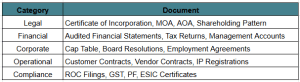
Key Documents Required for Series A

Key Documents Required for Series A

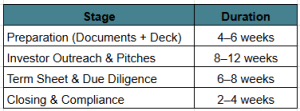
Timeline to Close Series A

Timeline to Close Series A


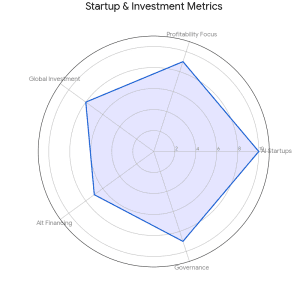
Trends in Series A Funding (2025 & Beyond)

  • AI-based Startups: AI and automation have high investor interest.
  • Profitability & Sustainable Growth: Healthy unit economics a priority.
  • Alternative Financing Models: Equity + Debt or revenue based financing.
  • International Investment Preference: US and SE Asian VCs are making more investments in India.
  • Corporate Governance & Transparency: Clean cap tables and reporting is compulsory.

 Why Partner with FundTQ

FundTQ provides the entire ecosystem of startups in need of funding:

  • End-to-end fundraising consultancy (Series A to and past)
  • Investment banking services (valuation, deal structuring, due diligence)
  • M&A advisory (sell side and buy side)
  • Support of pitch deck and financial modeling.
  • Investor relations and introductions.

Why FundTQ?

  • Successful history of Series A funding.
  • Availability of the best investors in India and around the world.
  • Professional financial and legal consultation of the closures.
  • Evidence-based decision-making and valuation.

FundTQ enables the founders to work on growth and handle the complexities of fundraising.

Ready to Raise Series A Funding?

For founders scaling their business in 2025, FundTQ makes the fundraising journey seamless. From financial modeling and pitch deck creation to curated investor introductions and deal closure, FundTQ provides end-to-end fundraising and investment banking support.

Contact us

What is Financial Modeling

Financial Modeling Explained: The Complete Guide for Beginners & Professionals

Have you ever been asking yourself, What is financial modeling? you are in the right place. Financial modeling is an important skill in finance, investment, entrepreneurship, and any other person who wants to make financial decisions based on data. With this all-in-one guide, you will dissect all information you need to know about financial modeling- starting with the basics, up to advanced concepts and on a step by step basis.

What is Financial Modeling?

One of the most prizes though least comprehended skills in financial analysis is financial modeling. Financial modeling aims at integrating accounting, finance, and business metrics in order to make a forecast about future outcomes of the business.

A financial model is plainly speaking a spreadsheet typically developed in Microsoft Excel, which predicts the financial performance of a business over an extended period. The projection is usually made on the past performance of the company, as well as the assumptions with respect to the future and needs creation of an income statement, balance sheet, cash flow statement, and supportive schedules (one of many types of approaches to financial statement modeling).

It is possible to develop more sophisticated models based on it such as discounted cash flow analysis (DCF model), leveraged buyout (LBO), mergers and acquisitions (M&A), and sensitivity analysis. An illustration of a financial modelling in Excel is provided below:

What is Financial Modeling


Core Highlights

– What is Financial modelling: It is a combination of accounting, finance and business metrics to develop a projection on the future outcome of a company.

– Financial modeling is mainly aimed at accurately modeling the future of a company in terms of financial performance.

– Modelling can be applied in valuing firms, in establishing whether to raise capital or to expand the business through acquisitions or organic growth.

What Is the Purpose of a Financial Model and How Is It Used?

Financial models are of numerous types and have a broad variety of applications. A financial model is applied to the output to use in decision-making and conducting a financial analysis, both internally and externally. Decisions are made using financial models regarding:

  • Capital raising (debt and/or equity).
  • Acquisitions (businesses and /or assets)
  • Expanding the business in-house (i.e. new stores, new markets, etc.).
  • Disposing of the assets and business units.
  • Budgeting and forecasting (planning the future years)
  • Capital investment (what projects to invest in priority)
  • Valuing a business
  • Ratio analysis/ financial statement analysis.
  • Management accounting

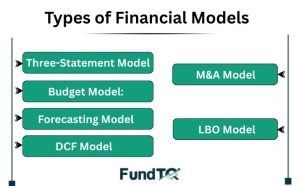
Types of Financial Models

Financial Model

It is important to understand various types of financial models to be able to apply them. In the most frequent forms it is:

  1. Three-Statement Model: Combines income, balance, and cash flow statements.
  2. Discounted Cash Flow (DCF) Model: This is a model applied in valuation, which relies on anticipated cash flow and discount rates.
  3. Merger and Acquisition (M&A) Model: This is an analysis of the financial effect of a merger or acquisition.
  4. Budget Model: Assists firms in projecting income and expense.
  5. Leveraged Buyout (LBO) Model: It is the acquisition financing that is based on the debt financing.
  6. Forecasting Model: Estimating future revenue, costs and other significant measures of the project.

Steps to Build a Financial Model – Simple Way

Financial modeling is an important financial skill among finance practitioners, investors and business analysts. A properly designed model facilitates decision-making, valuation, budgeting as well as analysis of investments. These steps are to be followed in order to develop a trustworthy and precise financial model.

financial model template

1. Define the Objective

Defining the purpose of the financial model is important before creating it. Is it designed to be business valued, budgeted, forecasted or an investment analysis tool? The purpose defines how your model will be written, how detailed it will be and what kind of products it will give. Having a goal is a way of keeping your model focused and actionable.

2. Collect Historical Data

Prepare full historical financial statements, that is, income statements, balance sheets, and cash flow statements. Identify key performance indicators (KPIs) including revenue growth, gross margins, operating expenses, and capital expenditures. The basis of your model is made by accurate historical data, and enhances the reliability of forecasting.

3. Make Assumptions

Make real and information-based assumptions about your model, such as:

  • Revenue growth rates
  • Cost projections
  • Capital expenditures (CapEx)
  • The interest rates and financing costs.

Write clearly on what you assume, with reference where necessary. Clear assumptions make the difference between credibility and enable other people to comprehend and believe in your model.

Learn about: Financial Model for BPO Company

4. Design the Model

Develop a logical structure of your financial model:

  • Inputs: History and assumptions.
  • Formulas and projections: Calculations.
  • Outputs: Critical results, measures, and graphics.

Be clean in layout, colour coding and standard formatting. An effective model enhances usability and minimise errors and makes it easier to be reviewed by other people.

5. Forecast Financial Statements

Prepare the main financial statements according to your assumptions:

  • Income Statement: Revenue, costs and net profit.
  • Balance Sheet: Assets, liabilities, and equity.
  • Cash Flow Statement: operating, investing and financing.

Make your forecasts coherent and interrelated. Any modification in assumptions ought to automatically update all statements.

6. Perform Analysis

Discuss the implications of your model:

  • Financial ratios: The profitability ratios, liquidity ratios, and leverage ratios.
  • Scenario analysis: best-case, worst-case and base-case scenarios.
  • Sensitivity analysis: Evaluate the effect of variation in assumptions.

This is done to determine the risks, opportunities and the key drivers of values.

7. Review & Validate

Check the accuracy and logical consistency of your model:

  • Check formulas and calculations.
  • Compare past statistics with real statements.
  • Make sure that the assumptions are fair and fair.

It involves peer review or external validation which provides extra credibility.

Pro Tip: Maintain Transparency

Trust is essential in your financial model, and transparency is the key to it. Clarify assumptions, sources, and methodology in a clear manner in order to make stakeholders recognise the importance of your analysis. Not only that increases the confidence in your conclusions but also increases your professional credibility.

business valuation software
Tools for Financial Modeling

While Excel remains the most popular tool, other software enhances modeling efficiency:

  • Microsoft Excel
  • Google Sheets
  • Specialised Tools

Common Mistakes to Avoid

  • Over-complicating formulas
  • Ignoring historical trends
  • Based on impractical assumptions.
  • Lack of conducting scenario analysis.
  • Failing to update the model on a regular basis.

Note: All financial models are as good as the assumptions and data on which they are based.

Bottom Line

Financial modeling is an effective tool that enables the professionals to make quality financial decisions. Learning about its forms, elements, and optimal practices, both novices and specialists can utilize the potential of financial data to the fullest extent.

Financial modeling is the backbone of modern finance whether you are predicting revenue, valuing a business or looking into the investments. Begin training nowadays, and convert raw data into strategic knowledge.

food and beverage investment banking

Top 5 Investment Banking Firms for Food Industry

Global Food & Beverage Market Growth

Global Food & Beverage MarketWhat is Investment Banking Services?

Investment Banking Services are defined as specialised financial services that are provided to corporations, governments, and other large institutions. The main goal of these investment banking services is that they help these bodies to raise capital, facilitate major transactions, and manage their finances. Investment banks are basically intermediaries between the entities that need capital and those that can provide it.

investment banking workflow for food & beverage companies

Investment banking workflow for food & beverage companies

An investment banking firm that is primarily focused on the food industry can provide expertise and significant services that help the F&B companies. Ranging from small startups to large multinational corporations, their financial and strategic objectives are met with the help of these investment banks. These services are crucial and important for everything from business fundraising and securing a startup funding to orchestrating large-scale merger and acquisition.

For instance: A firm with experience in restaurant funding knows the intricacies of franchise models, while one specialises in CPG (Consumer Package Goods) understands brand valuation and distribution networks. This deep sector knowledge helps in crafting a compelling story for investors and negotiating the best possible terms. 

Global Capital Raised by Food & Beverage Companies

Global Capital Raised by Food & Beverage Companies

Key Criteria for Selecting an Investment Banking Partner in the Food Industry:

  • Expertise in the specified industry is a must for choosing the right investment banking partner. A firm having dedicated F&B practice with a proven track record of successful deals in your specific sub-sector, whether it’s organic snacks, plant based proteins, or craft beverages. 
  • The type of transaction is a significant factor while looking for a firm, considering it is an important aspect.
  • Reputation and network of the firm forms yet another important criteria for choosing the right investment banking partner. A strong reputation and an extensive network of strategic buyers, private equity firms and institutional investors are valuable to creating a competitive process and securing the best of valuations.
  • Cultural fit is yet another important aspect. Communication methods and styles and work ethics should align with that of the principal firm.
In the following section, we discuss the 5 best investment banking companies serving the food and beverage industry, each of which has its own strengths to serve the requirements of the various clients.
Key Factors When Selecting an F&B Investment Banking Partner

Key Factors When Selecting an F&B Investment Banking Partner

The Top 5 Investment Banking Firms Serving the Food and Beverage Industry

1. FundTQ – Global Reach with Mid-Market Strength

FundTQ is a boutique investment banking firm that specialises in  the F&B industry particularly in the emerging founder owned business. Prominent investment banking firm that specialises in the F&B industry, particularly in the middle market. Business valuation calculator along with ready-to-use templates are offered by FundTQ catering to wider needs of clients. Besides offering traditional advisory services, FundTQ also provides business valuation software as well as ready-to-use pitch deck templates. Consequently, these tools help entrepreneurs and startups prepare for fundraising discussions and, in turn, enhance their effectiveness in investor meeting.

Key Differentiators:

  • Tailored support for startups and high-growth food and beverage companies.
  • Combination of advisory expertise and digital tools, including valuation software and pitch deck templates.
  • Proven track record in closing deals in deep tech and consumer sectors.

Ideal Client Profile: Startups, growth-stage food brands, and founder-led businesses looking for capital or clarity on valuation.

business valuation calculator
2. Alantra

3. Intrepid Investment Bankers

Intrepid has an F&B and agribusiness team which offers its clients comprehensive M&A advice and capital-raising solutions. Specifically, the major services that Intrepid offers include broad coverage such as Branded Consumer Package Goods (CPG), Bakery, Beverage, Dairy, and more. In addition, the team provides M&A advisory and capital-raising transactions. Moreover, they deliver tactical recommendations and industry knowledge. As a result, companies are able to maximize the value of their transactions.

4. Greenwich Capital Group

5. Mesirow

  • Key Differentiators: Strong specialization in mid-market transactions.
  • Ideal Clients: Established family-owned or privately held food companies planning succession, recapitalisation, or M&A.

Comparative Overview of Leading Food Industry Investment Banks

Leading Food Industry Investment Banks
How Food Companies Benefit from Specialised Investment Banking Advisory

Specialised Food and Beverage industry Merger and Acquisition experts are not just the one who facilitate transactions but they are overall strategic partners. These specialised food and beverage investment banks provide deep understanding and help companies navigate the complexities. Overall dynamics of M&A, capital raising and other financial events. For a food business such firms or organisations add valuation expertise which helps in accurately valuing a company based on industry specific metrics like brand equity, distribution channels, and intellectual property.

Moreover, these firms give the principal companies access to capital by connecting them with a curated list of investors who, in addition, have a deeper understanding of F&B and are genuinely interested in the sector. Consequently, this support becomes critical for small businesses and startups, especially those seeking business fundraising.

Also Read: Can I Get a Free Business Valuation Report Online?

Advising on market positioning and identifying potential synergies with acquirers and curating a growth strategy or in simple terms an effective and strategic planning. This is important for a brand that is looking to expand its footprint or multi unit growth for a restaurant.

Bottom Line

Finding the right investment banking firm is a strategic and crucial move that defines the future of the food business. The firms that we discussed here (FundTQ, Intrepid, Alantra, Greenwich Capital Group and Mesirow) are all strong candidates, each with unique specialisation. When making your choice for food and beverage investment banking, consider your specific needs, the nature of your transaction, cultural fit and other business goals. 

A right partner can be the key to securing the necessary startup funding and other business goals. A right investment banking firm can provide guidance, and the network that is needed to unlock maximum valuation and growth to your company.

Frequently Asked Questions (FAQ)

  1. What type of food companies typically engage investment banks?
    Food producers, processors, restaurants, and distributors engage investment banks for major financial events like M&A, sales and capital raises. 
  2. What are the standard fees for M&A advisory in the food industry?
    Fees typically combine a monthly retainer with a success fee. Often following a sliding scale formula based on the transaction value.
  3. How do boutique firms compare to global investment banks?
    Boutique firms offer more specialised expertise and senior level attention for middle-market food companies. While global banks offer broader services and a worldwide network for large, complex deals.
  4.  What factors should entrepreneurs consider while selection a banking partner?
    Industry experience, sub-sector specialisation, firm’s investors network and cultural fit.

Get business Funding

Financial Model for BPO Company

What Is a Financial Model for a BPO Company? A Beginner’s Guide

The contemporary data-driven economy requires Business Process Outsourcing (BPO) companies to constantly ensure that they are cost-efficient, scalable, and profitable. A Financial Model for BPO Company helps clarify key financials, whether you’re raising funds, budgeting, or projecting returns.

This user-friendly guide analyses everything you need on how to build one, how to avoid some of its pitfalls, in a manner that you can concentrate on operating a high-performance BPO business.

What Is a Financial Model for a BPO Company?

The Financial Model is an extensive tool made to assist call centres and outsourcing firms in helping estimate income, control costs, and assess valuation. They are usually constructed with the help of Excel or financial modeling software, and can serve as a guide for both start-ups and mature BPO companies. They comprise the basics of financial statements, including the Profit & Loss Statement, Cash Flow Statement, and Balance Sheet, and industry-specific operating assumptions in line with the requirements of the BPO industry.

Why Do BPO Companies Need a Financial Model?

The BPO Financial Model Template is an extensive tool made to assist in precisely estimating income, controlling operating costs, and determining business valuation. The objective of financial modeling is to combine accounting, finance, and business metrics to create and predict a company’s future results and make smarter decisions. 

That is why every BPO should have one:

  1. Investor Readiness
    The investors desire to get evidence of sustainability and growth potential. A healthy financial model will prove that you have good knowledge of the market, unit economics, and your profitability schedule, and as a result, you will be seen as more appealing to the venture capitalists, angel investors, and private equity firms.
  2. Strategic Decision-Making
    A financial model is useful when planning a capacity addition, recruitment requirements, market entry, or diversification of services offered. It helps the CEOs and CFOs to compare the scenarios, what-if, and select the most strategic choice of direction.
  3. Cost Management
    Cost optimization in BPOs is crucial. BPOs are required to keep the fixed costs and variable costs in check with staff-heavy operations. A model can be used to identify the cost leakages and to optimise the operational costs, such as seat cost, infrastructure, payroll, and tech subscriptions.
  4. Profit Forecasting
    A properly constructed model can give you an idea of how altering the headcount, pricing, or client turnover will impact your bottom line. It provides intuitive predictions in case profitability benchmarks are lost.

Key Components of a BPO Financial Model

Understanding the building blocks of a financial model makes it easier to create and interpret. Here are the key components:

1. Revenue Assumptions
Revenue is typically based on per-agent, per-hour, or per-seat billing. The assumptions should be made on the basis of the pricing model and the expansion of the service lines.

2. Cost Assumptions
Salaries, infrastructure (rent, utilities), hiring, training, and software are among the costs incurred. Analysis of variable vs fixed costs is essential for scenario planning.

3. Track Metrics
Track metrics such as the amount of revenue per agent, the attrition rate, and the average handling time. These inputs drive operational efficiency projections.

4. Profit and loss statement
An organization’s profit and loss statement consolidates its income and expenditures within a specific period, reflecting on business productivity and effectiveness.

5. The Cash Flow Forecast
Since BPOs will deal with slow-paying clients, planning how much cash will come in and out of the company each month can guide the liquidity of the company and financing against a line of credit.

6. Balance Sheet
A balance sheet refers to the list of a company’s assets, liabilities, and shareholders’ equity for an operating period. Balance sheets provide the basis for computing rates of return for investors and evaluating a company’s capital structure.

How to Build a Financial Model for a BPO Company?

Step 1: Know  Your Company
It is extremely important in understanding how the company, whose financial model is being prepared, earns revenue and incurs costs, and what its business model is based on, publicly available information, data through internal reports, and/or through official filings.

Step 2: Understand the Industry Dynamics
Find out the industry trend, benchmark, and key performance indicators that the business can use

Step 3: Insert Audited Financials
Audit 3 to 4 years of audit Profit & Loss, balance sheet, and cash flows into an Excel sheet in a clear and clean format.

Step 4: Define Assumptions
The future growth rates and margins, and the workings of the work cycle and cost pattern, should be calculated and projected. Create an assumptions tab.

Step 5: Forecast the Income Statement
Calculate project revenues, direct costs, and operating costs to reach the EBITDA (depreciation, interest, and tax are not left to be answered at this point).

Step 6: Build Supporting Schedules
Develop depreciation, tax, equity, and debt schedules as well as working capital schedules in order to aid in the projections of the financial statements..

Step 7: Complete P&L and Balance Sheet
The next step is used to complete the P&L after linking Depreciation, Finance Cost, and Income tax from respective schedules. Similarly, you can complete the balance sheet by linking subsequent schedules, except for the Cash & Bank Balance.

Step 8: Complete the Cash Flow Statement

Once the P&L and Balance sheet are ready, then it only leaves the task of incorporating formulas and doing the linking with P&L and BS for Cash Flow Completion. Compare the latter with the amount of cash and the Balance Sheet.

Step 9: Calculate Free Cash Flows
Derive Free Cash Flow to Firm (FCFF) and Free Cash Flow to Equity (FCFE) for valuation.

Step 10: Perform DCF Valuation
The second step is to identify the Cost of Equity through CAPM (Capital Asset Pricing Model) using Market rate of Return, Risk-Free Rate, and Beta. Moreover, you will calculate the Cost of Debt using the interest rate and tax rate, which helps determine the Weighted Average Cost of Capital (WACC).

Step 11: Run Sensitivity Analysis
Important assumptions (growth rate, margin, WACC) that are required to be verified. This helps in drawing more accurate conclusions about the authenticity of the assumptions made.

Step 12: Perform Ratio Analysis
Pay a little bit more attention to estimate profitability, solvency, and liquidity ratios for investors to make better judgments on the investing decisions.

Step 13: Use Charts and Graphs
Create visuals to highlight revenue trends, cost breakdowns, and valuation results.

Step 14: Final Touch – Formatting & Indexing
As the model is completed, the only thing needed is to format the file, add hyperlinks for navigation, and polish the model for a professional look.

Common Mistakes in BPO Financial Modeling and How to Avoid Them:

BPO Financial Modeling is an essential skill for finance professionals. However, some common mistakes can lead to lead to wrong financial models.

 Here are some pitfalls to watch out for as you prepare your financial modeling:

Mistake

How to Avoid

Overestimating revenue Always use conservative growth projections and consider time lags in client onboarding.
Ignoring client churn Clients don’t stay forever. Not accounting for the churn rate could harm long-term revenue projections. 
Underestimating salary costs Always include full compensation packages and hiring cycle timelines.
No buffer for infrastructure scaling Include future CAPEX for expansion, like new office setups, software licenses, or server upgrades.
Not modeling cash flow Predict when money comes in versus when expenses go out to avoid liquidity shocks.

Business Valuation for BPO Companies: Why It Matters

One of the most effective methods of finding out the financial position is business valuation calculator for outsourcing companies.

The benefits of Business Valuation are as follows: 

– Discounted Cash Flow:

Discounted cash flow (DCF) refers to an analysis procedure used to value investments by discounting the estimated future cash flows. Analysts use DCF analysis to value a stock, company, project, and many other assets or activities, making it widely used in both the investment industry and corporate finance management

– EBITDA Multiple

EBITDA (Earnings Before Interest, Taxes, Depreciation, and Amortisation) is a financial metric that can measure the cash and operational performance of the company. It helps investors to focus on the business operations because it excludes items affected by accounting methods and government policies. 

– Revenue Multiple

Revenue Multiple (EV/Sales) is a valuation metric that compares the ratio between an enterprise value and total revenue, the amount of money that investors are ready to spend to use one unit of revenue. Analysts can also value early-stage or high-growth BPOs using revenue, especially when profits are slender.

The Key Features

  • Input revenue, EBITDA, cash flows, and growth rate
  • Compare multiple valuation methods (DCF, EBITDA, Revenue)
  • AI-assisted guidance for early-stage and mature BPOs
  • Free downloadable report for investors sharing

Conclusion:

The financial model of a BPO company may be a daunting process, but it is one worth creating. Starting from investor readiness to internal cost control, a good model entails that your business has both the structure and the prospects that it requires to be able to sustain itself on a long-term basis.

Whether you are in this guide helps to generate a model that reflects your strategy, flavors, and revenue fits. 

Pro Tip: Try the FundTQ Business Valuation Calculator today and see what your BPO company might be worth.

FAQs

Q1: What is a financial model for a BPO?
A financial model for a BPO is a spreadsheet-based tool that projects revenues, costs, and profitability based on the company’s business assumptions.

Q2: What is the requirement of Financial Modeling for the BPO companies?
It helps in making money, managing costs, attracting investors, also to enable one to make decisions strategically.

Q3: How can I value my BPO company?
You can use methods like DCF, EBITDA multiples, or revenue multiples, depending on your company’s maturity and growth.

Q4: Can I use a free template to build a BPO financial model?
Yes. Free Excel templates and tools like FundTQ can speed up your modeling process and reduce errors.

Q5: How do I find the valuation of my BPO company?
Use FundTQ’s Business Valuation Calculator to get quick, reliable estimates using industry-standard methods.

Startup Funding Stages

7 Key Startup Funding Stages and What Investors Expect at Each

Raising capital is one of the most critical and often most confusing challenges faced by early-stage founders. Questions such as ‘When should I raise my first round?’ or ‘What do investors expect at each stage?’ often go unanswered due to a lack of a clear roadmap.” Clarity is intended to be provided by this article to the Startup Funding Stages, helping founders understand what each round involves, who the typical investors are, what expectations they have, and how to position the company for success at each stage.

Whether you have an idea to prove, an IPO to plan with, or even funds that you want to raise, Insights needed to raise the capital are provided by this guide.

By the end of this guide,a clear concept will be received by you about what the 7 major Startup Funding Stages, between the Pre-Seed and IPO labels are and how to ensure that your startup story of growth meets what the investors expect along the way in the fundraising process.

1. Pre-Seed Stage

What Is It?

The pre-seed stage is the initial step of the startup funding stages. The business idea now is at its primary stage. The founders might be in the process of building a minimal viable product (MVP), a market research, or need to validate their idea.

Sources of Funding:

  • Personal savings
  •  Friends  and family
  • Accelerators/incubators Startups
  • Government grants or academic finances

Investor Expectations:

The investors during this phase are placing their bets at the  founder’s vision and abilities and not on hard metrics. 

They typically expect:

  • A  compelling idea with real world relevance.
  • Founders with domain expertise and commitment
  • The preliminary market research or problem verification

Tips:

  • Focus on details how the problem is stated and what is  your distinctive solution.
  • Create a functional and  simple MVP or otherwise a prototype .enough to demonstrate feasibility
  • Attend an accelerator to gain  access to early stage-mentorship and financing.

2. Seed Stage

What Is It?

The seed stage marks the transition from idea to execution. This is where startups are still working on their product, getting early adopters, and refining on their business model .

Sources of Funding:

  • Angel investors
  • Seed venture capital (VC)/
  • Crowdfunding platforms
  • Accelerator programs

Investor Expectations:

Seed investors look for market size/market potential and early traction. The critical expectations are the following:

  • The working version 1 or the MVP of the product.
  • Positive feedback  by the users or pilot outcomes.
  • Specification of target market.
  • Scalable business revenue model.

Tips:

  • Obtain early adopter feedback to prove your product-market fit.
  • Create a concise  pitch deck that features the issue, market size, traction and financing requirements.
  • Explain how the right amount of funds  will speed up the growth.

3. Series A

What Is It?

The Series A funding is the first major institutional capital that assists startups to optimise their product and establish a solid foundation  to scale.

Sources of Funding:

  • Early-stage oriented venture capital firms (VCs)
  • Strategic investors in corporations
  • Big angel groups

Investor Expectations:

The Series A investors demand a good business model and measurable growth .

They typically expect:

  • Product-market fit
  • Regular user activity and increases in revenues
  • A clear go-to-market strategy
  • Key  staff recruitments taken or planned

Tips:

  • Focus on traction measurements like the number of active users, retention and revenue per month
  • Invest in developing the processes of operation and increasing your market size
  • Compose financial forecasts of detailed financial shows and KPIs of performance

Also Read: FCFF vs FCFE – Understanding Key Differences And Applications

4. Series B

What is it?

When startups reach the Series B-stage , they develop the ability to expand  in previously unexplored markets, hire more  employees and grow operations. The product has been tested and it is now time to optimize it with regard to efficiency and market penetrations.

Sources of Funding:

  • The larger  venture capital firms.
  • Interested parties that include private equity funds that have an interest in growth-stage firms

Investor Expectations:

Investors in series B would like to see proof of scale-up. Their normal expectation is:

  • Unit economics and Proven business model
  • Increasing retention-based customer base
  • Effective avenues of acquiring customers
  • Market performance Competitive advantage in the market

Tips:

  • Track and report important performance outcomes such as CAC, LTV, burn rate and runway
  • Empower leadership through professionals
  • Invest money in further marketing, customer service, and product development

Bonus Tip:

Are you a founder seeking funding but unsure how to determine your business’s value or craft a compelling pitch deck? Don’t worry—FundtQ has you covered! Access our free business valuation calculator and startup pitch deck templates to accurately assess your company’s worth and present a polished, investor-ready pitch—all without the stress.

5. The Series C and Beyond

What Is It?

Series C and subsequent rounds are meant to expand aggressively, engage in acquiring competitors , or preparing for an eventual IPO. At this point, the startup is already a very well established  company.

Sources of Funding:

  • Late-stage VCs
  • Hedge funds
  • Investment banks
  • Corporate investors

Investor Expectations:

These investors seek low-risk, high-return opportunities. What they expect is:

  • Large revenues and  high margins
  • The geographic expansion plans or the vertical expansion plans
  • Acquisition possibility or partnerships
  • A preparation exit or strategic exit to the public markets

Tips:

  • Make your company competitive as a market leader within its segment.
  • Build powerful governance and compliance models.
  • Get set to carry out due diligence practices  following the landmark.

6. Mezzanine Financing / Bridge Round

Mezzanine or bridge financing is interim financing between rounds of later stage financing or immediately before IPO. It is used  to address cash flow shortages or finance short term strategy objectives.

 Sources of Funding:

  • Convertible debt from Existing investors 
  • Venture debt investors or private equity 
  • Strategic partners

Investor Expectations:

Bridge round investors demand a definite schedule of liquidity or follow up round.

  • Revenue-generating business
  • Exit or IPO related defined milestones
  • Debt repayment capability (not in case of equity)

Tips:

  • Be transparent about the reason for the necessity of the bridge.
  • Provide decent convertible terms should equity not be right away available.
  • Demonstrate the result of this round in a milestone next step.

Have a look at: My First Startup Funding: What Worked (and What Didn’t)

7. Exit or Initial Public Offering (IPO)

What Is It?

Initial Public Offering (IPO) is a process in which a company that is privately owned issues its stocks on a publicly traded stock market. However, start-ups can take an exit route; through acquisition, merger or management buy-offs.

Sources of Funding:

  • Investors in the public market (IPOs)
  • Buy out of a corporation or a private equity (in M&A)

Investor Expectations:

At such a level, investors demand a pay to be made on their previous investments. They seek:

  • Stable growth of revenues and profits
  • Firm market positioning and image Brand recognition
  • Expandable operations and riskless operations
  • Open corporate governance

Tips:

  • Contract with skilled investment bankers and lawyers.
  • Standardise your financial reporting to a standard used by the public marketplace.
  • When exiting, consider timing  and market conditions.

Final Thoughts

Each and every  phase in the startup funding stages represents a new chapter in your company’s journey offering not just capital, but strategic guidance, networking opportunities, and the validation needed to grow.Although the confusion between bootstrapping and getting ready to embark on an IPO may begin, knowing what investors would like to see at each stage can help the founders have a better guide ahead.

Successful startups do not easily chart straight upwards. However, given adequate preparation and proper alignment of strategy to the expectations of investors as well as adjusting and aligning your strategies, you can make your way through the funding world with great confidence and get the resources needed which will enable you to bring your vision into reality.

skincare startup

Funding Your Skincare Startup: Step-by-Step Guide for Entrepreneurs

The beauty and health care business can be described as thriving with one of the most dynamic segments on the beauty and health care business being on skincare. Whether it is organic serums or AI-enabled customized skin care regimes, consumers have never been more conscious and caring about their skin before. In case you are a start-up business wondering about what will be next to start a brand in skincare, now is your time. But one of the most important challenges in launching a skincare startup is to obtain funds.

This manual practically covers all major issues linked to fundraising for startups in India with an exclusive focus on the skincare sector-from planning, pitching, scaling, to maintaining. Thus, whether it’s the very first seed funding for your startup or consideration towards investment banking services, or perhaps going the route of crowdfunding, this map will easily help you through its intricacies.

Why Are Skincare Startups a Hot Investment?

global-skincare-market-size

The skincare industry is projected to cross $200 billion by 2026, driven by rising disposable incomes, wellness awareness, and digital-first consumer behavior.

It is estimated that the worldwide skincare industry would hit the mark of over 200 billion by; 2026. There are various factors that will develop homegrown brand opportunity like the experience of increased disposable income in India, the wellness obsession of Gen Z and their consumer first approach to digital space.

Here’s why investors are increasingly drawn to skincare startups:

  • Large Margins: The skincare business is sometimes associated with a large profit-margin, depending on a niche aspect such as clean beauty or vegan, or Ayurvedic line.
  • Repeat Purchases: Skincare items need to be replenished on a regular basis as opposed to technology-related and fashion-related products, so they are always in demand.
  • D2C Model Compatibility: Digital media enable the brands to sell their products to the users directly and without involving third-party.
  • Influencer Marketing: Skincare is a purely visual product and it applies well to influencer and content marketing, which makes it appealing to contemporary investors.

How Much Funding Do You Need?

It is best to evaluate your funding needs before you proceed to identify possible sources of funds. The start-up costs will depend on what business model you target to use, whether you intend to produce your goods, white-label suppliers, or create only e-commerce brand.

Cost Breakdown for an Indian Skincare StartupI give this a rough breakdown:

Category of Expenses

Proposed Cost (INR)

Test and Product Development 

5,00,000- 15,00,000

Branding & packaging  

2,00,000 5,00,000

Set up Website and eCommerce

  1,00,000 – 3,00,000

Opening Stock         

3,00,000 – 10,00,000

Marketing & Influencers

2,00,000 4-8,00,000

Depending on your scale, first startup funding requirements can range from ₹10 lakhs to ₹50 lakhs. It can go a long way and make your pitch stronger when you are clear about these figures.

Top Funding Options for Skincare Startups

Top Funding Options for Skincare StartupsAs a beauty founder, you’re not limited to a single funding route. Here are some options to explore:

1. Angel Investors

Perfect in the new, young skincare brands. They provide capital, as well as mentoring. One should find an angel with experience in FMCG, wellness, or D2C brands.

2. Venture Capital

VCs come when you have traction product-market fit, expansive customer base or a well-established brand equity. Venture Capitalists in India deal with consumer and lifestyle.

3. Startup Incubators/Accelerators

Such programs include Sequoia Surge, India Accelerator, or NSRCEL by IIM Bangalore which are funded programs as well as provide mentorship and access to a network of investors.

4. Bank Loans & MSME Schemes

Indian government and financial organizations provide business credits according to MSME and Stand-Up India programs: they are applicable to manufacturing-based companies in the skincare sector.

5. Investment Banking Services

When you’re ready to raise larger rounds (Series A or beyond), consider partnering with boutique investment banking services specializing in consumer brands and startup capital raising.

Creating a Skincare Business Plan That Attracts Investors

Loved by investors is clearance. An effective business plan is an indicator that you are not ignorant of the market and you have a scalable business.

Your Skincare Business First regarding are These Selected main points in Your Skincare business Plan:

  • Problem and Solution: What solutions does your brand solve to issues in the skin? And why is it superior to what is available?
  • Target Audience: Who is the target? Millennials? Gen Z? Men?
  • Market Research:It includes industry trends, industry size, industry competition and white spaces.
  • Product Strategy: Ingredients + certifications (no cruelty-free, organic) + the line development of products.
  • Revenue Model: Margins, channels of sale and pricing.
  • Marketing Plan: The influencer, online advertisement, real world events.
  • Finance: How much are you asking, and what is it going to be used on?
  • Financial Forecasts: 3 year revenues estimate, break even analysis.

The better your plan is, the more willing investors would be to invest in your startup.

Building a Minimum Viable Product (MVP)

Your proof of concept would be an MVP. For skincare startups, this usually means developing a small batch of hero products to test market response.

MVP Creation Skincare Tips:

  • Utilize contract manufactures to cut the cost.
  • Pick 12 products or put both energy into 12 products (e.g. a face serum and a cleanser).
  • Undertake dermatology tests and qualifications.
  • Offer tests to those interested or beta testers.

A successful MVP can be your ticket to first startup funding and traction with D2C customers.

How to Pitch Your Skincare Brand to Investors?

How to Pitch Your Skincare BrandThe pitch is a decisive part in your funding process.

Keys of an Excellent Pitch Deck:

  • Vision Statement: Build on your Why.
  • Market Opportunity: Allow one to demonstrate the amount, as well as, the possibilities of the skincare industry.
  • Your Unique Solution:  Your innovation, either ingredient, personalization or sustainability.
  • Traction: success of the MVP, revenue, customer love, testimonials.
  • Team: Present founders and specialists in the sphere.
  • Ask:  How many funds, to what?

Practice your pitch and tailor it to different types of investors some care more about numbers, others about brand story.

Strategies Of Crowdfunding That Work:

Crowdfunding is an awesome method to prepare your item, comprehend business viability and get financing without sharing responsibility.

To consider:

  • Ketto and Wishberry of Indian projects.
  • Kickstarter and Indiegogo to reach out to the world.

Tips:

  • Make utterly enticing campaign pages.
  • Storytelling- demonstrate your path.
  • Provide rewards and special care packages.
  • Use influencer shout outs to get traffic.
  • This path does not only attract capital but also wins a community.

Grants and Competitions for Beauty Entrepreneurs:

In India, women and beauty entrepreneurs have access to many programs that they can rely on.

There are Opportunities such as:

  • L’Oréal Women in Science and Business Awards
  • Tata social enterprise challenge
  • Startup India Seed fund scheme
  • FICCI FLO Women Start up Awards

Winning grants or competitions not only funds your skincare startup but also helps in building  credibility and press visibility.

Bonus Tip:

Are you a skincare startup looking to find your business valuation and pitch to investors? Don’t worry—we’ve got you covered! Get instant access to our free business valuation calculator and a ready-to-use skincare startup pitch deck to help you raise with confidence.

Bootstrapping: Advantages & Disadvantages

Many successful skincare startups like Juicy Chemistry and Minimalist began by bootstrapping—self-funding the business until revenues kicked in.

How Indian Skincare Brands Scale:Pros:

  • Complete ownership of your brand.
  • Develop financial control.
  • Narrow-based growth that is organic.

Cons:

  • Small budget in marketing and staffing.
  • Slower scaling.
  • Risk of high personal finance.

A decent place to start would be bootstrapping in case you are not investor ready but have a great MVP and vision.

Scaling After Funding

After you secure your first round, then the game starts.

Focus Areas:

  • Inventory Management: It is important to have regular availability of products.
  • Brand awareness: Invest on Influencer campaigns, PR and video content.
  • Technology: Modernise the website, web-based customer relationship management and supply chain systems.
  • Team Building: Recruit professionals of marketing, R&D and customer service.
  • New Markets: Enter second-tier cities or overseas shipments.

A constant need to determine such metrics as CAC, LTV, and ROAS could confirm the operational capital efficiency of the given company since any investor considers such a factor after making the investment. 

Conclusion:

Making and scaling a skincare company does not just imply having an excellent product; it means building a brand around real issues with which the population has some emotional affinity and which grows sustainably. First startup funding, investment banking services, and crowdfunding should all be seen in light of the founder’s long-term vision.

There could be no better time to start with the growing beauty market in India, the interest of investors in wellness, and the population of digital-first customers. Always be ready, sell intelligently and keep on training. The future of investment banking and startup capital is more founder-friendly than ever—go claim your share.

Get business Funding

Startup fundraising in Gurugram

Step-by-Step Guide to Startup Fundraising in Gurugram

Gurugram is commonly referred to as the Millennium City, which has quickly become one of the Indian startup hubs. It is close to Delhi, connected to international companies, has an increasing amount of coworking facilities, and an active hub of tech entrepreneurs, making it a good place to develop an early-stage business. Fundraising in startups does not solely deal with money: above all, the money validates a startup, may come with mentorship, and can lead to growth and long-term sustainability. Money facilitation is something that can open the doors to developing different businesses, which might involve teams, products, and market shares in a matter of weeks. Every entrepreneur wishing to be successful in such a fast-moving environment has to comprehend the way in which startup fundraising in Gurugram views the growing competition.

Step 1: Recognise the startup and funding ecosystem in Gurugram

Get to know the landscape of the Gurugram startup with its special landscape before raising capital. Major startup success stories, from Zomato to UrbanClap, have had their affectations on talent migration toward capital cities for close interaction with the top-tier VC firms and angel networks over the past 10 years.

Primary Shifters in the ecosystem of Gurugram:

  • Incubators & Accelerators: Early-stage stage mentorship, seed finance, and workspace is offered by Huddle, GHV Accelerator and Gurugram-based TIDES Business Incubator.
  • Government Initiatives: It has the Haryana Startup Policy which has incentives, such as, subsidized incubation, tax reliefs, or equity free grants.
  • Angel Networks: The Indian Angel Network (IAN), Gurgaon angels and Delhi angels are among the actively functional Indian angel networks who have been funding pre seed and seed stage companies.
  • Platforms: FundTQ is one of the tools that support founders to do outreach, organize documentations, and reach verified investors easily.

The entire seed funding process is supported by this thriving ecosystem, which is not only funding-ready but also abundant in investment banking services, legal professionals, and growth mentors.

Step 2: Work out a good business plan and authenticate your idea of startup

The level of selectivity by investors in Gurugram has been on the rise. In order to be different, make sure that your idea addresses a real problem that is in demand. Validation may comprise:

  • Growing a Minimum Viable Product (MVP)
  • User feedback collection
  • Adopting new customers/clients early
  • Analysis of competitors

Paying customers is a proven idea that gains investor confidence. Other indicators of a well-thought-out business that indicate your business startup is not merely an idea, but a scalable company are: a solid business model and realistic revenue projections.

Step 3: Know Your Funding Stage and What Investors Expect

Each startup has the stages of funding, where each of them has a distinct strategy and degree of preparation.

  • Pre-seed: Done before seed, friends and family money or grants. Target: MVP, traction at an early stage.
  • Seed: Product market fit, angel investors, early revenues. Target: Team, scalability, clientele.
  • Beyond and Series A: Preoccupied with rapid expansion and enormous institutional and VC investment in plasma. It is all about unit economics, market leadership and post-money valuations.

Knowing the things that each investing phase dislikes in a typical mistake during common fundraising such as pitching to VC at a too early stage or claiming your startup is overvalued.

Step 4: Prepare the Essential Fundraising Documents

Preparation is everything with respect to fundraising for startups. Two will have to come up with the following documents:

Pitch Deck: It would tell more about your idea, the market, traction, business model, and finance. Avoid common pitch deck mistakes such as crowded slides or poor messaging.

Business Plan: 15-20 page document addressing how you plan to run your business, what gives you an edge over your competitors, the market you have found and how you are going to implement your plan. It is also strategically clear and long-term.

Financial Forecasts: A 3 5 year forecast of revenues, costs, break-even and forecast cash flow. Tools like business valuation software or even startup-focused Excel templates can help.

Note that these are papers that indicate how credible you are. The pitch deck can either make it or break it, given that it is weak or not very accurate.

Step 5: Selecting the Appropriate Funding Source to Your Startup

Not every finance is the same. In Gurugram, here are available main sources of startups for startup fundraising in gurugram:

  • Angel Investors: Best suited during a seed stage. See how to identify local networks or high-net-worth who want to get passionate about your sector.
  • Venture Capital: it fits high-growth companies that are at-scale. Be ready with metrics like average ticket size and CAC to LTV ratios.
  • Government Grants: The Haryana Startup Policy provides equity-free funding to encourage innovation in sectors like AgriTech, EduTech, and medical device startup funding.
  • Incubators and Accelerators: They offer seed money, advice and resources against low equity shares.
  • Online Platforms: Platforms such as FundTQ make it possible to automate discovery of investors, document preparation and compliance with the funding process.

Your long-term goals, repayment capacity, and risk tolerance will all play a role in your decision between equity vs debt financing

Step 6: Establish a Strong Gurugram Network

When one is connected to the right circles, fundraising is made easy.

  • Events: Go to a meetup, a pitch competition, or a summit such as the TiE Delhi-NCR or Nasscom 10,000 Startups.
  • Coworking Hubs: Hubs such as WeWork and Innov8 and 91 Springboard, frequently lead investor evenings, mentorship programs and startup forums.
  • Online Communities: Join local Slack groups, WhatsApp communities, or Facebook groups focused on fundraising for startups in India.

Such networks are also of great help in getting through early obstacles and can result in warm intros, definitely the most productive leads to finding investors.

Step 7: Create and Rehearse a Successful Pitch

As a result, your pitch should be fact-based, succinct, and convincing.Note:

  • The issue and that inimitable idea of yours
  • Opportunity and market size
  • Go-to-market strategy
  • Team experience
  • Traction and financials

Train in front of coaches or budding entrepreneurs. Make a video recording and improve. Such tools as the Y Combinator template of pitching, or templates presented by FundTQ, may serve as an excellent beginning.

Step 8: Reach Out to Investors Strategically 

Do not fall into the mass email trap. Instead:

  • Investors in research that invests in your industry or phase
  • Utilize such agencies as FundTQ 
  • Utilize LinkedIn outreach database and startup databases
  • ors, incubators, or shared contacts to get referrals

Make your pitch unique to each investor. Be aware of the size of their portfolio, size of checks and preferences. Such a personalized process will increase interaction and reaction levels.

Step 9: Negotiate the Deal and Understand Term Sheets

In case your pitch is a success, you will be presented with a term sheet, which describes the terms of investment. The important clauses to be learnt:

  • The valuation (pre and post money)
  • Equity offered
  • Liquidation preference
  • Anti-dilution provisions
  • Board control

Negotiation does not imply a winner and loser, rather there is the need to walk alongside the interests. Don’t hesitate to consult investment banking services or legal advisors. They are able to decode legal terminologies and make fair terms.

Step 10: After Funding: Make Good Use of Capital and Update Investors

Getting funds just marks the start. The attention is now given to:

  • Investing in capital efficiently: Do not invest in vanity metrics; use the money to hire more team members, develop a product, or grow.
  • KPIs tracking: Investors will be updated on KPIs monthly to display responsibility.

Then, you should avoid some usual pitfalls like mindless growth, ineffective hiring, or scaling without planning. These are some reasons startups fail even after funding.

Keeping investors regularly updated on a company does not only help it develop a rapport with the investors but also paves the way to the next round of funding.

Conclusion 

Startup fundraising in Gurugram is an exciting but challenging path. The correct foundation-market research, financial discipline and networking, will help you open the doors to eventful growth.

Whether you’re in healthcare, medical equipment startups, or B2B SaaS, always remember: fundraising for healthcare or any sector demands clarity, vision, and resilience.

As a founder you will grow with each investor call, pitch revision, and rejection. Remain focused, exploit the Gurugram ecosystem and most of all work on tools such as FundTQ, and keep building. The cash will come towards.

M&A Due Diligence

Complete Guide to the Due Diligence Process in M&A

In this fast-moving world of M&A, due diligence stands the process at the foundation of deal making. Depending on the business size, early on in exploring a strategic alliance or what a small-to-medium business needs and wants, obviously, one must understand the “due diligence process.” Or else acquirers will have to risk overpaying while unable to interpret a red flag or be able to integrate post-merger.

Evaluating the financial health, legal liabilities, and operational efficiency exist to place value in due diligence processes, allowing an investor or firm to make investment or business decisions. It walks you through  the entire process, step-by-step—so whether you’re a founder, a CFO, or an investment banker, you’re equipped with the clarity to act decisively.

What Is the M&A Due Diligence Process?

M&A due diligence is a structured investigation conducted before completing a merger or acquisition deal. It enables the intervener to know the assets, liabilities, agreements, compliance of the target company, its intellectual property and fitness. Just imagine a full blown audit to confirm the business that you are about to acquire or the one which you are about to merge with.

The purpose? Reduce risk, verify the quality of the transaction and lose any hidden surprises after a transaction. Due diligence forms a cornerstone of investment banking services, especially in mid-market and large transactions.

5 Key Types of M&A Due Diligence

M&A due diligence isn’t a one-size-fits-all checklist—it involves multiple layers of investigation, each focused on a critical aspect of the target company. Acquirers usually perform a number of due diligences to know that a deal is financially viable, legally sound, and strategically strategic. These include their financial wellbeing and tax status, operating efficiency and technology base.

The five most crucial forms of due diligence that have been able to spur informed decision making in any merger and acquisition deal have been summarized below.

1. Tax Due Diligence

It is a procedure that helps to recognize past, existing, and possible tax exposure. It makes sure that the target firm has paid and filed its taxes in the correct way and it also makes known the threats such as the existence of an audit in the near future or overzealous tax positions. Taxes are a major stakeholding task and this is an aspect that is non negotiable.

2. Legal Due Diligence

An overview of contracts, intellectual property rights, prior litigation, employment law compliance and legal structure. Legal problems particularly potential lawsuits can slash the value of a target company or even have a deal spoilt.

3. Financial Due diligence

Often performed by accountants or investment banking professionals, this step involves a deep dive into revenue, margins, debt, cash flows, projections, and accounting practices. Financial due diligence directly impacts business valuation software models used by acquirers.

4. Operational Due diligence

Look at internal processes, its supply chain effectiveness, human resource policies as well as the delivery system. Especially crucial when acquiring SMEs or medical equipment startups, where process efficiency affects long-term scalability.

5. IT Due diligence

Targets the tech adoration, cybersecurity protocols, program permits, and web-based foundation of the target. In case of tech-enabled businesses, i.e., FinTech or HealthTech, this is crucial to allow the integration and the scalability in the future.

Why Is the M&A Due Diligence Process So Important?

M&A Due Diligence  transactions are not only numerical in nature but they are all about people, systems and strategy. Due diligence presents of a full-spectrum dimension that:

  • Handles truthful statements of the target company.
  • Reveals concealed debts (e.g. legal cases, unreported debts).
  • Assures synergy potential, strategic fit.
  • Helps determine the accurate average ticket size for the deal.
  • Prevents fundraising mistakes like overvaluation or poor post-merger fit.

Investors trust deals that are backed by structured due diligence—making it an indispensable phase in M&A and first startup funding scenarios.

How Long Does the M&A Due Diligence Take?

The schedule varies with the size of the deal, the complexity of the industry and availability of documents. Typically, it ranges from 30 to 90 days, but early-stage fundraising for startups may have shorter cycles of 2–4 weeks.

Fast-moving sectors like startup valuation without revenue may demand speed, but never at the cost of skipping due diligence. A rushed process leads to poor integration and even reasons startups fail post-deal.

Common M&A Due Diligence Challenges

  • Incomplete or inaccurate data
  • Ambiguous intellectual property rights of ownership
  • Mismatch of culture among teams
  • Regulatory compliance deficiencies
  • Hidden debt or tax liabilities

These are the traps that tend to happen within unstructured startups or bootstrapped companies where founders have not institutionally structured governance. Avoiding these mistakes requires early implementation of corporate hygiene, especially in Bootstrapping vs Fundraising journeys.

Who Conducts M&A Due Diligence?

The due diligence team usually includes:

  • Investment banks – for financial structuring and valuations
  • Legal advisors – for legal and IP checks
  • Tax consultants – for tax exposure and optimisation
  • Operational experts – to assess processes and scalability
  • Technology consultants – for IT and digital infrastructure

Such functions are usually fulfilled with the guidance of M&A advising companies such as FundTQ, who introduce expertise in the field and project management into the equation.

7 Key Steps in the M&A Due Diligence Process

To make it thorough and clear follow this rank:

1. Review Technology & Intellectual Property

License the software of audits, patents, name trademarks, and algorithms. Especially critical in medical startup funding and SaaS acquisitions.

2. Understand the Customer Base

Research contracts, churn rate, and very customer dependencies, and customer satisfaction scales. Concentration of revenues in one or two clients is a warning sign.

3. Evaluate Cultural & Strategic Fit

Value congruence, leadership approach and a long term vision should be provided to prevent the failure related to integration which occurs after the deal is completed-it is a common reason leading to the failure of M&A.

4. Examine Legal Issues & Litigations

Without lawsuits, regulatory notices or contractual disputes pending, a big surprise may be costly. Legal due diligence makes compliance and risk prevention.

5. Assess Regulatory & Compliance Status

They are environmental, financial, industry specific regulations (i.e. RBI, SEBI). For fundraising for startups in India, this step ensures your house is in order before the deal.

6. Review Corporate Governance

Look at board composition, shareholder accords, employee stock plans and disclosure of conflict of interest claims.

7. Analyze Financial Health & Projections

Make sure that the revenue, margin and growth forecast of the target meet your thesis about the investment. Tools like business valuation software and post-money valuation calculators are vital here.

Discipline & Transparency- The Key to M&A Success

Many fundraising for startups fail to close acquisition deals because they don’t treat due diligence with the seriousness it deserves. M&A is not a handshake- it is a strategic partnership. Investors can not trust it without transparency and organized data rooms.

Firms that develop internal due diligence checklists early by monitoring their contracts, employee records, ownership of IP, and KPIs on finance are a sign of being disciplined and hence more attractive as an acquisition candidate.

How FundTQ Supports M&A Due Diligence?

FundTQ is one of the top M&A and capital advisory platforms that allow its clients, startups, SMEs, and investors, to simplify their due diligence. Here’s how:

  • Data Room Set up: Get suitable data room sorted out by structuring the relevant company documents that an investor will look into.
  • Due Diligence Checklist: Domain-based templates specific to industries such as HealthTech, FinTech, and B2B SaaS.
  • Financial Modeling: Integrated business valuation software to estimate accurate valuations.
  • Legal Vetting / Tax Vetting: Consulting professionals join in to assist in bringing legal, compliance and tax risks to light and neutralize them.
  • Post-Deal Integration: FundTQ facilitates cultural and operational alignment after either a merger or acquisition which minimizes the chances of failure.

At FundTQ, the M&A journey is enabled by powerful insights, investor-quality preparedness, and industry-sensible solutions.

Conclusion: 

In the current hyper-competitive environment due diligence is not an option anymore, it is a strategy. Whether you’re a founder preparing for your first startup funding or an investor scanning for your next big opportunity, mastering the M&A due diligence process is critical.

Due diligence covers your investment, gives power to potential negotiation, and makes the ground of long-term success blameless. With the support of such expert-supported services as FundTQ, you can easily make an educated, seamless transaction out of a complicated one.

Ready to start your M&A journey?

Get in touch with FundTQ today to receive the professional assistance of M&A consulting and due diligence services. Whether it’s business valuation, fundraising for startups, or SME growth strategies, we’ll help you navigate your next big move with precision and confidence.

Top Venture Capital Firms

India’s Top Venture Capital Firms & How They Define Their Investment Niche

Venture capital has emerged as the pillar of India’s startup ecosystem. And the success of any fundraising is covered with a long chain of VC firms that have a niche in mind and are sure about its potential risk and growth and are ready to support founders. Whether you’re a first-time entrepreneur or a startup looking for your next round, understanding top venture capital firms and what they look for is a must.

In this blog, we would cover how the major VC firms in India arrive at their niche, how founders should be ready to match with the right investor with the help of a tool like FundTQ, and why a good match can transform everything.

Why Investment Niches Matter in Venture Capital?

Definition: A niche investment is a particular industry or kind of a startup that a venture capital company favours to invest in. It is an expression of their touch, skills and contacts there.

VCs do not invest in any business, they select that suits their thesis. An investment fund aiming at health would not easily yield to a fashion market portfolio. Why? Since every industry is associated with varying business models, risks, and exit strategies. Through niches, VCs are able to:

  • Identify winning startups before they get popular
  • Give greater benefit to founders
  • Form stronger and more integrated portfolios

As a founder, it is important to know the niche of a VC to understand how to pitch correctly and have high prospects to receive money.

Also Read: How to Get Funding for a Startup Business?

Why FundTQ Is the Smart Way to Prep for Venture Capital?

FundTQ is a startup getting-ready platform that assists entrepreneurs in making better pitch decks, learning valuation, and identifying investor-fit using business profile. Before approaching any of the top venture capital firms, it’s important to understand how your startup fits into their focus area. FundTQ does so by:

  • Paring your startup with investors according to sector, stage and size
  • Providing the pitch deck gap feedback in real-time
  • Providing start-up valuation tools to give a fair equity value
  • It is the intelligent preparation measure prior to you ending up knocking at the door of a VC.

Understanding Niche Investment Strategy:

A niche investment strategy means a VC fund focuses on a specific type of company or sector. This is the reason why VC firms are dealing with niche strategies:

a) Expertise of the Deep Business

Companies such as Accel India or Lightspeed are familiar with SaaS or EdTech back to front. This aids them to test ideas more and quicker.

b) Network Industry

A HealthTech VC can also open founders to hospitals, labs, and regulators, all of which generalist investors may not be able to connect them with.

c) Synergy in Portfolio

Startups within the same niche are able to cooperate. By way of example, a FinTech portfolio could consist of lending apps, KYC, and payment gateways, the one supporting the other.

d) Speedy Decision-Making

With a niche knowledge, VCs can work swiftly since they are aware of the trend, pitfalls, and potentials of the market.

Read About: How Do Investors Value a Startup With No Revenue?

India’s Top Venture Capital Firms and Their Niches

Here’s an updated list showing the top Venture Capital  firms in India, along with the main areas of investment and some notable investments they have made:

VC Firm Known For Notable Investments
Sequoia India (Peak XV) Multi-sector, strong in SaaS & FinTech Freshworks, Razorpay, CRED
Accel India SaaS, Marketplaces, Consumer Tech Flipkart, Swiggy, UrbanClap
Matrix Partners India B2C, FinTech, SaaS Ola, Razorpay, Dailyhunt
Blume Ventures Early-stage tech startups Dunzo, Unacademy, Slice
Lightspeed India DeepTech, SaaS, EdTech ShareChat, Udaan, BYJU’S
3one4 Capital FinTech, HealthTech, ClimateTech Koo, Licious, Jupiter
Kalaari Capital Consumer Internet, HealthTech Zivame, Cure.fit, Myntra
India Quotient Bharat-focused consumer tech ShareChat, Lendingkart
Elevation Capital FinTech, SaaS, Consumer Tech Paytm, NoBroker, Meesho
Better Capital Pre-seed/seed in SaaS, FinTech, Health Teachmint, Khatabook, Open

Useful Read: SME Growth Strategies and how VC-backed startups scale rapidly.

How VC Firms Choose Their Niches?

VCs do not arbitrarily select industries- they rely on trends, numbers and their expertise to know what sectors they intend to conquer.
Here’s what goes into picking a niche:

a) Market potential

The bigger the growing markets the more VC will pay attention. The scale is the reason why FinTech, SaaS, and EdTech are popular.

b) Founder Quality

VCs adore founders who understand the domain and are executable and gritty. A niche helps them realize such traits easier.

c) New way of doing things/Disruption

Companies support the concepts that reshape the status quo, such as Razorpay in payment processes or Meesho in social commerce.

d) Consistency with Team Expertise

A large number of VCs employ partners who have worked in a certain sector. Their experiences determine their investment prospect in the firm.

Generalist vs Specialist: The Evolution of Indian VCs

Generalist VC is an investor who has a wide-spread distribution and can make investments in many industries; specialist VC is an investor who concentrates on a thin slice. Originally, most of the Indian VC firms began as generalists. However, in the recent decade, the specialization has expanded.

Why?

  • Startups are complicated: SaaS companies and a startup in the AgriTech sector require absolutely different support.
  • LPs (means investors in VC funds) want transparency: Investors who support VC funds today are demanding specific strategies.
  • Faster results in areas of strengths: When VC firms specialize, their success rates are usually higher within their areas of strengths.

Examples:

Experts: Lightspeed in EdTech, SaaS and FinTech 3one4 Capital in FinTech, HealthTech

Generalists Peak XV (formerly Sequoia India), Blume Ventures

Tech-Enabled Sectors Are the New Favorites:

Traditional industries like finance, education, healthcare, and logistics are disrupted by technology in tech-enabled sectors. Indian VCs most desired sector is that of tech-enabled sectors where conventional industries are served by technology to reshape them into new ways. Industries such as Fintech (e.g. UPI, digital lending, insurtech), SaaS (India-built software tools that are consumed worldwide, such as Freshworks), Healthtech (digital healthcare and fitness) and Edtech (online learning and upskilling) are in the prerequisite of heavy investments. They also are high-growth areas that have a large global footprint, and those that address a real-world problem. This makes them excellent venture investments.

Get free pitch deck templates and business valuation with our free business valuation software

FAQs:

1. What does the term investment niche mean in venture capital?

An investment niche is the kind of sectors or categories of startups in which a VC firm focuses and operates, such as SaaS, FinTech, HealthTech etc. It helps them to invest and have knowledge.

2. How do I know which VC firms are right for my startup?

Find out their portfolio using such tools as FundTQ or by checking the VC firm site. Pay attention to companies that have invested in businesses of similar stage, sector and geography as yours.

3.Is it okay to approach generalist VC firms?

Yes, but even generalist firms do have preferences. Just ensure your startup falls under at least a single one of their core investment themes or wins.

4. Are there benefits besides funding in niche-applicable VCs?

Absolutely. They tend to offer more industry connectivity, more meaningful mentorship, access to expertise sources, and introductions to partners or acquirers.

5. How early do VCs invest?

Other companies such as Better Capital put their money in seed and pre-seed rounds. Others such as Peak XV do Series A and up.Pitching without checking organisation focus on the stage will never resound to be a good idea.

Get business Funding
Key Takeaways :

  • In India, venture capital is already getting niche-driven, where the firms work on what they know best.
  • To grow strategically, not only to secure funding, but also to match your startup with the right VCs is a crucial step.
  • Tools such as FundTQ enable startups to prepare, as well as measure their readiness, find investors and create more respectable and more appropriate pitches.
  • Learning the niche of a VC is going to enhance your success and long lasting relations with the VC.
  • Never pitch in the dark, research, portfolio check and always always customise your deck depending on the thesis of the fund.

Conclusion:

Top Venture Capital Firms in India is no longer a generic world, it is increasingly becoming subtle and niche-focused. The VC firms have now become strategic partners, who do not only come to the table with capital. They provide suggestions, networking, employment assistance, market entry strategies and merger and acquisition strategies. However, all this is subject to a single major bit, how well your startup lines up with their investment thesis. When you develop a HealthTech application, it is useless to present it to a consumer retail-oriented VC, despite the fact that you have strong results. Conversely, the more you can align your pitch with a fund that has a mandate to breathe and live HealthTech, the better you are likely to be ten-fold. These companies know where you hurt, what your customer paths are, and what regulatory problems you have and much more, even the companies you are planning to switch to.

With the help of smart prep tools, such as FundTQ, founders can prevent the mismatched investor chat and save their time as well as open the doors to funds that are actively seeking a business like their one. 25 and beyond, it is not enough to know your customer, it is important to know your investor niche.

A start-up, which approaches venture capitalists by researching target areas, and aligning their outreach will rise faster—and stronger.