

How to Sell Your Business in India: A Founder’s Step-by-Step Guide to M&A
When founders search “sell my business India”, they’ve already made up their mind. They just don’t know how to do it, and that costs them months, money, and sometimes a sale. Here’s a step-by-step guide to every phase of the M&A process: whether you’re ready to sell, valuations, and how to close with the right buyer.
When is the right time to sell your business in India?
The best time to sell a business in India is when the company is growing, financials are clean, and sector investor appetite is high — not after growth has plateaued or under financial distress.
Many people believe the myth: that you sell when you have to. The best exits happen when you don’t have to — when you have leverage. People will pay a premium for a company on the up, not one on the down.
There are three main reasons for timing:
- Growth trajectory: If you are at an inflection point – continuous revenue growth, growing margins, a strong market position – that’s the time. After the inflection, you’ll receive lower multiples.
- Market conditions: Sector multiples fluctuate. In the past five years, consumer brands, D2C, health and manufacturing have experienced distinct multiple cycles. An advisor can tell you where your sector is today.
- Owner readiness: Selling when burnt out is not a good idea You’ll get more for your business if you are selling it by choice, rather than necessity.
How to sell a business in India: step-by-step process
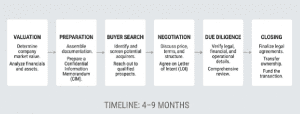
Selling a business in India typically involves 6 stages: valuation, deal preparation, buyer identification, negotiation, due diligence, and final closing — spanning 4 to 9 months end-to-end.
- Valuation & financial cleanup – Establish a realistic range using DCF, EBITDA multiples or market comps. Get your books in good shape.
- Develop pitch deck / CIM – A Confidential Information Memorandum is what buyers view your business through. It must be a credible growth story – not just numbers.
- Target the right buyers – Strategic vs financial buyers (competitors, conglomerates, niche players, private equity funds, family offices). They have different motives, time frames, and discounting.
- Negotiate the term sheet – Price, structure (cash, equity, earnout), board rights, founder lock-in. All parts affect price.
- Due diligence – Acquirers will deeply review financials, legal, IP, contracts and cap table. Be ready – surprises here can terminate the deal or significantly reduce price.
- Final agreements & close – Share Purchase Agreement (SPA), filings, payment transfer, and integration plans.
Business valuation in India — How Much is your Company Worth?
Valuation is where founder and buyer expectations differ. Knowing the three main methods helps you start a discussion from a place of knowledge.

In India, the industry is a critical factor. A D2C-focused consumer brand might be valued differently to a manufacturing SME with the same EBITDA. Healthcare and technology-enabled companies are currently more in favour. Ask your advisor for real comps – not benchmarks.
Founder sin: getting stuck on a number someone suggested 3 years ago. Markets move. Do a proper valuation before you talk to investors.
Preparing your Business for Sale
The 6-12 months leading up to buyers’ inquiries is more important than you think. A 6x exit is one of preparation, an 8x exit is one of execution.
> Most importantly, get financials in order: three years of audited accounts, clear GST history, normalised EBITDA (no founder expenses). Then, legal structure: is your cap table clean? Any disputes, lawsuits or unregistered IP?
> Structurally, acquirers don’t like founders. If the company can’t operate without you for 30 days, they’ll give you a discount for that. Develop the management team first.
> Finally, tighten the pitch. Your plan for TAM, unit economics, moat, expansion, etc., needs to be articulate before it’s asked.

Who can Help You Sell Your Business In India?
Three types of professionals operate in this space, and they are not interchangeable.
> Business brokers typically handle smaller ticket transactions (under ₹5–10 Cr) with a matchmaking model. They list your business and find buyers, but don’t manage the process or negotiate on your behalf.
> Chartered Accountants handle compliance and tax structuring exceptionally well but aren’t equipped to run a competitive buyer process or build the deal narrative.
> Investment bankers / M&A advisors manage the entire exit process — valuation, CIM, buyer outreach, term sheet negotiation, due diligence management, and deal closure. For mid-market deals (₹10 Cr+), this is where value creation happens. The right advisor doesn’t just find a buyer — they create competitive tension between buyers, which is what moves price.
Fee structures typically include a retainer (signals seriousness and funds the process) and a success fee tied to deal value — usually 1–3% depending on deal size.

Legal Requirements To Sell A Company In India
Legal aspects of a business sale in India vary based on deal structure (share sale or asset/slump sale) and the presence of foreign acquirers.
Key documents are the Share Purchase Agreement (SPA) that covers the reps & warranties, indemnities and conditions precedent. There will also be resolutions passed by the board and shareholders of the target company, and possibly regulatory approvals from the Reserve Bank of India (if a foreign company is involved) or SEBI (if a listed company).
Your M&A advisor should engage a transaction lawyer – it’s not worth skimping on. A bad SPA can leave you with post-closing liability that eats up all the deal proceeds you’ve worked so hard to secure.
Tax implications of selling a business in India
Selling a business in India attracts capital gains tax — long-term (20% with indexation) if shares held over 24 months, short-term (slab rate) if under. Deal structure (share sale vs slump sale) significantly affects the tax outcome.
This section is more important than most founders expect. Pre-deal tax planning may enhance the net proceeds.
In a share sale, the seller is liable for capital gains tax on the gain between the sale value and the share’s cost of acquisition. Long-term (shares held for 24+ months) is taxed at 20% with indexation. Short-term is taxed at the person’s income tax rate.
For a slump sale (sale of business as a going concern), the gain is based on net worth, not value of assets. This can be more or less tax-efficient.
Tax planning strategies – such as sales via a holding company, within a financial year, or Section 54F exemptions – should be discussed with a CA with M&A transaction experience before you enter into an agreement.
Common Mistakes Founders Make When Selling Their Business
 Anchoring high – Listing for a price that is not supported by financials or market comparable (comps) information. It’s a sign of inexperience to savvy buyers.
- Poor documentation – Buyers will find holes. Fixing them before buyers do – and do – preserves valuations.
- Hiring an advisor too late – Founders who seek advice after having initial discussions with buyers lose their negotiating power. Process, don’t respond to inbound.
- Being impulsive – Selling to “friends”, without a process, is expensive. Buyers know this, and unsophisticated sellers pay for it.
- Overlooking deal structure – A big headline deal with a huge earnout, rollover and deferred cash is not a cash deal. Do the math on the term sheet.
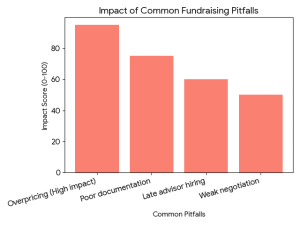 Anchoring high –
 How long does it take to sell a business in India?
Selling a business in India typically takes 4 to 9 months from advisor engagement to deal closure, depending on deal complexity, buyer type, and diligence depth.

Deals with foreign buyers, regulatory complexity, or distressed situations take longer. Running a tight, well-managed process with an experienced advisor compresses timelines — because buyers know you’re organized and serious.
Frequently Asked Questions – FAQs
1. How do I sell my business in India quickly?
Speed comes from preparation, not luck. Fast-selling businesses have clean financials, a CIM, and a broker with a buyer list. Knowing who to sell to – strategic and financial buyers – shortens the time. FundTQ has a 7,000+ network of investors and acquirers.
2. What documents are needed to sell a company in India?
Critical documents include: 3 years audited financials, MoA/AoA, cap table, GST returns, IP registrations, customer and vendor contracts, board/shareholder resolutions, existing investor agreements. Your advisor will prepare a data room list for your business.
3. Do I need an investment banker to sell my business?
Yes, definitely for deals of ₹10-15 Cr or more. An investment banker conducts a competitive process, deals with information asymmetry to your advantage, and negotiates on your behalf for terms you may not be aware of. In most cases, the fee is many times recouped in value and structure.
4. What is the minimum valuation for selling a business in India?
There’s no regulatory minimum. But M&A consultancy is viable for deals over ₹5-10 Cr Enterprise value. Less than that, use a business broker or referral. For deals above ₹10 Cr, a formal process with an investment banker is preferable.
5. Can a foreign company acquire my Indian business?
Yes, as per FDI policy and industry caps. Some require RBI or govt approval. Your M&A advisor works with lawyers to navigate the regulatory process – it’s normal in cross-border deals.
—————————————————————————-
Ready To Explore Your Exit Options?
FundTQ is a top-ranked India investment bank with partners from IIT Delhi, KPMG, PwC, and EY — and a track record of closing deals across consumer, healthcare, and industrial sectors. Most recently, FundTQ advised on Emami’s majority stake acquisition in Axiom Ayurveda, end-to-end.
Whether you’re 6 months from a decision or 6 years, the right time to start the conversation is now.


 In the case of consumer businesses in particular, this implies:
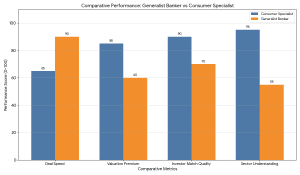 A sector-specialist can offer the following:
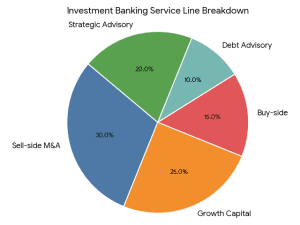 These are the typical things that these advisors will provide depending on your stage and objectives: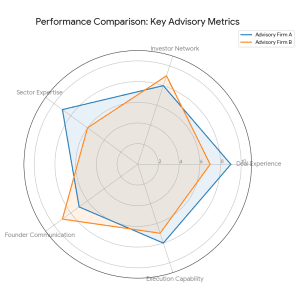



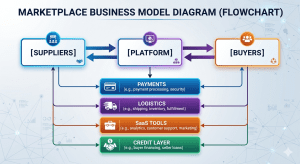
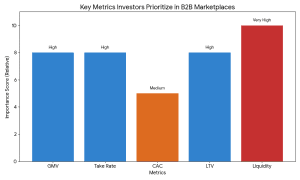 Here are the
  3. Customer Acquisition Cost (CAC)
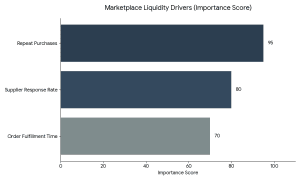 Marketplaces cannot scale without liquidity even in the presence of good marketing.
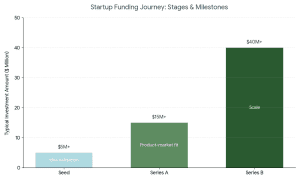 1. Seed Funding
 Examples include:

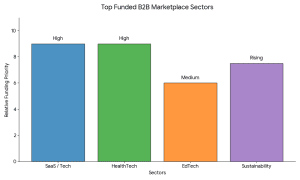
 Here’s where investors are putting their money right now:
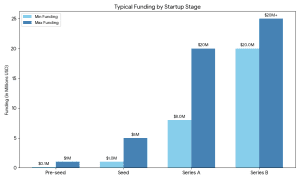
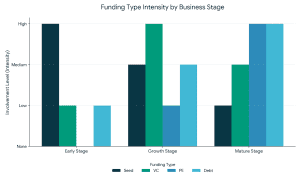
 The Four Funding Stages — Where Do You Fit?




 For AI SaaS startups, early traction matters more than hype.
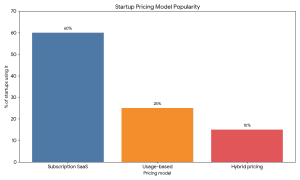 1. Subscription SaaS
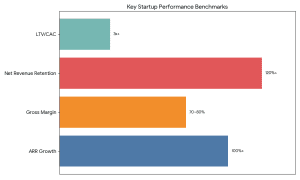 1. ARR (Annual Recurring Revenue)
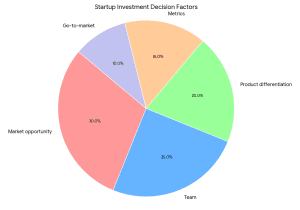 1. Market Opportunity (TAM)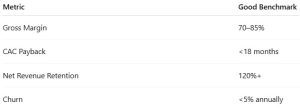
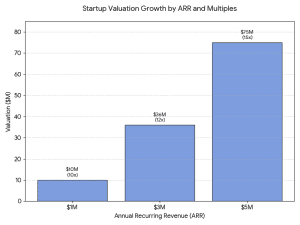 For SaaS startups: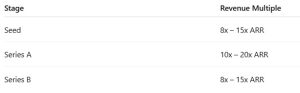

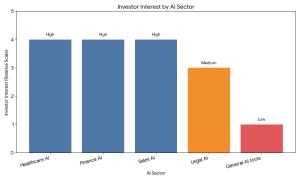 Several trends are shaping AI startup funding.
 The following is a comprehensive guide on how to raise capital on an eCommerce business, which entails the sources of funds, the expectation of investors, strategies of valuation, and steps that can be taken to raise capital effectively.
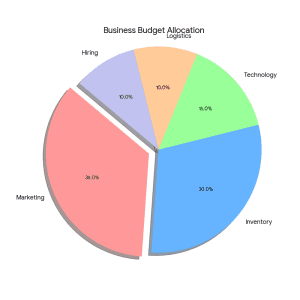 1. Inventory Procurement
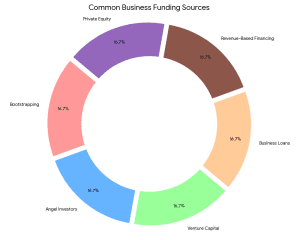 Understanding the
 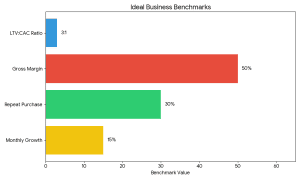 As someone involved in
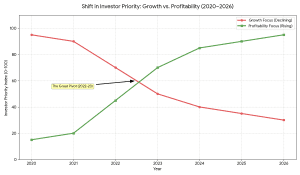
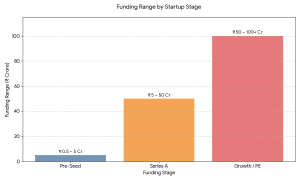 Early Stage (Pre-seed / Seed)

 Building Your EdTech Pitch Deck: The 10 Essential Slides Investors Demand




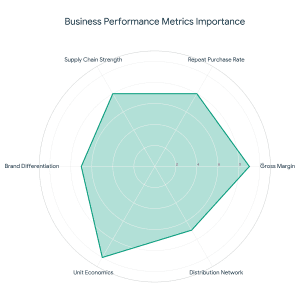
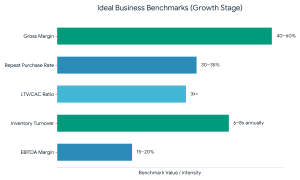 Even the most effective startup fundraising will not work without a powerful grip on these numbers.
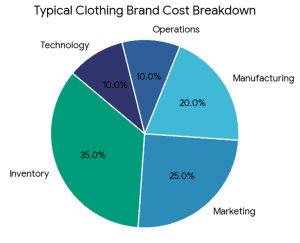 What Is the Best Way to Fund a Clothing Brand?
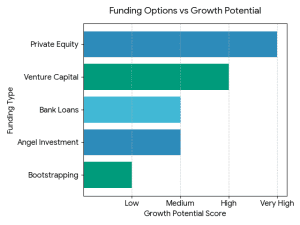 It does not have a single, universal answer. The optimal financing source will be based on: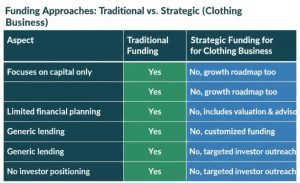
 2. Financial Modeling & Projections
 The Indian fashion and D2C market is growing because: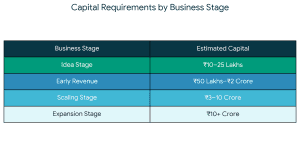
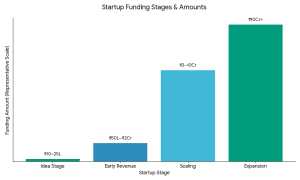 Why Strategic Funding Is Better Than Just Capital
 Strong market fundamentals are leading to increased support of organic and clean-label food brands by investors.
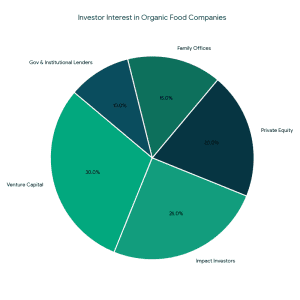 Types of Funding Available for Organic Food Companies
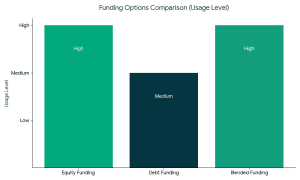 1. Equity Funding
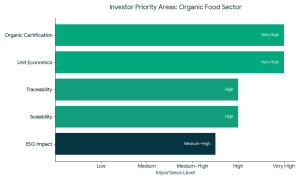 The founders should meet the expectations of the investors to raise funds successfully in organic food companies.
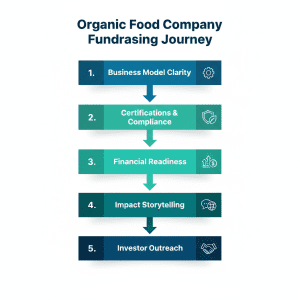 Preparation is the biggest differentiation between funded and unfunded companies.
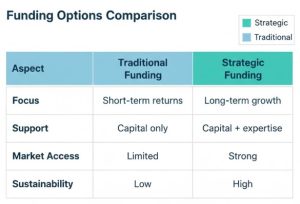 Not all capital is equal.