
Startup funding in India has become more accessible than ever—but raising capital in 2025–2026 is still highly competitive. If you’re a founder wondering how to get funding for your startup in India, this guide breaks down everything—from funding types to investor strategies. The ecosystem has turned into an ever-evolving and competitive sector, investing in anything to support innovation across sectors. Accessing the right funding is critical before your startup can scale effectively, but understanding how the funding process starts can be overwhelming, particularly for first-time founders.
In fact, a majority of startups fail to raise funding not because of weak ideas—but because they don’t understand how investors think. According to industry reports, less than 10% of startups successfully raise external funding in their early stages.
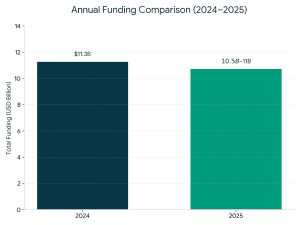 This complete guide to startup funding in India covers funding stages, investor types, and how to raise funding for a startup in India step by step. Based on current market trends and investor behavior in India, this guide is designed for first-time founders and early-stage startups. We will explain the significance of funding, the different ways funding has become available, outline the leading funds, and provide everything you need to successfully raise funding in a step-by-step manner. This guide is intended for those new to raising startup funding and those on their fundraising checklist.

Why Startup Funding is Important for Indian Startups

India is one of the fastest-growing startup ecosystems globally, with thousands of new startups launched every year. Capital funding is key to overcoming early operational challenges, getting skilled talent, reaching out to markets, as well as increasing product development pace. Venture capital in India is not merely the provision of funds, but also the verification of the business model, and a stamp of credibility to other investors, partners, customers, and so on. Indian startups are in a strong position today, with increased investor interest and capital availability, where spectators and corporate benefactors have never been in short supply before.
What are the different types of startup funding in India?
Founders should choose the type of funding that best matches their goals and startup stage. Here is a breakdown:
- Bootstrapping: Self-funding through the use of personal savings or recent revenue. Great for very early validation.
- Angel Investment: Wealthy individuals looking to invest capital for equity. Useful for pre-seed / seed round capital.
- Venture Capital (VC): The professional financing of a startup with potential for growth and expansion at a high rate.
- Government grants and schemes: There are schemes or grants that are given by the government so that the start-up can be supported.
- Debt Financing: Loans, borrowing, or credit lines without the loss of equity often used by startups generating revenue.
- Crowdfunding: Raising small amounts of money from a large number of people using platforms, as the public interest is essential. Good method for B2C types of products with a large appeal to mass consumers.
- Corporate Funding: Considerations by corporations for investment opportunities and partnerships based on their familiarity with your version of an innovation or M&A possible structure.
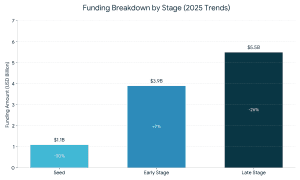 The various funding routes also have trade offs, in matters of control, risk, and scalability, and those entrepreneurs must match them to their business model.
Top Sources of Indian Startup Funding
Here are some of the most active startup funding platforms and investors in India (2025–2026):
- FundTQ – A startup fundraising platform that offers AI-driven pitch assessment, investor matchmaking, and fundraising support for early-stage founders.
- Sequoia Capital India – One of the largest VCs with a track record of hugely successful high-growth startups like Zomato and BYJU’S.
- Blume Ventures – Provide support for early-stage startups with a founder-first mindset and operational support mentoring.
- Accel India – A name to reckon with as an investor in Flipkart, Freshworks, and has numerous other successful investments, predominantly scaling tech products.
- Venture Catalysts – The biggest co-integrated incubator of Asia that primarily invests in the Tier 2 and Tier 3 towns and cities of India.
- 100X.VC – VC takes interest in pre-seed and seed VC investments, especially ones that are fast-tracked with a mentorship component.
How to Get Startup Funding in India (Step-by-Step Guide)
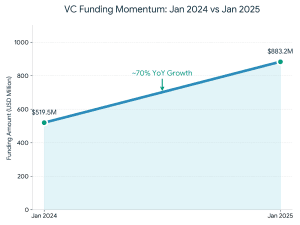
Startups in India require adequate planning, effective networking, and documentation to get funding.
If you’re wondering how to raise funds for your startup in India, follow these proven steps used by successful founders:
1. Prepare Your Pitch
Crafting a compelling pitch is essential. There are platforms available to assist startups in the preparation of pitch decks that are investor-ready and reflect on business potential, the size and opportunity of the market, and the vision of the founders. A clear narrative and visuals improve engagement significantly.
2. Build a Business Plan
A comprehensive business plan must describe the problem that the business intends to solve in the market, the solution it will be offering, the competitive environment, and the revenue model, as well as the financial projections. Shareholders are also able to understand in-depth the execution strategy of the business based on the document.
3. Find the Right Investor
Approach the investors with interests in your type of industry, stage of company, and geography of operation. You can also research investor portfolios and funding platforms like FundTQ to identify the right investor fit. For example, startup fundraising in Gurugram may be more suited to early-stage VCs active in Delhi-NCR.
4. Network and Pitch
Appear on the pitch days, attend the demos, accelerators, and online forums. The benefit of networking is that it gets you noticed and increases better chances of earning funding. Change your pitch to the different investors based on his/her portfolio and taste.
5. Due Diligence and Term Sheet
When an investor has expressed interest, they will go into due diligence to check the financials, intellectual property rights, compliance, etc. Upon successful due diligence, a term sheet is signed, and it contains details of the terms of investment, equity, as well as the right to govern. At this stage, it would be highly advisable to have legal counsel.
What Are Common Startup Funding Mistakes Founders Should Avoid?
You can avoid the following mistakes to increase your chances of funding:
- Setting your company valuation too high at an early stage scares off investors who are realistic about funding.
- Overlooking any compliance or legal issues can delay diligence.
- Generic pitches that do not explain your unique value or scalability can be unpersuasive.
- Inability to communicate how your funds will be spent signals you have not considered financial planning.
- Chasing every investor, rather than discerning who is the best fit for your business based on relevant domain expertise.
By staying investor-ready with a thorough fundraising checklist (which will help you avoid most of the above pitfalls), you can be more perceptive to deal flow for interested investors.
Also Read About: Common startup fundraising mistakes founders should avoid
Key Documents Required for Startup Funding in India
Being organized with the following documents increases investor confidence:
- Pitch Deck (optimized for mobile and web)
- Business Plan and Executive Summary
- Cap Table and Shareholding Structure
- Financial Projections (3–5 years)
- Customer Testimonials or Product Demos
- Incorporation Certificate, GST, and legal registrations
- IP Ownership Documents
- Founder’s Resume and Team Backgrounds
Some platforms, like FundTQ, offer document storage and sharing tools to simplify the process.
Startup Funding Trends in India (2025–2026)
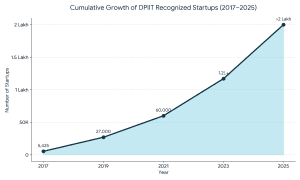 These are the main trends that are going to impact the funding this year:
- The latest AI and Climate Tech: Investors have been putting emphasis on environment-friendly and sustainable technology start-ups.
- Rise of Tier 2 and 3 Cities: More funds are actively searching for startups in other cities outside of metros to discover previously untapped areas of innovation.
- Micro VC and Syndicates: Small check-size investors are willing to support ideas pre-revenue and make quick decisions to promote growth and innovation into the ecosystem.
- Fundraising Automation Tools: Fundraising automation tool companies like FundTQ are reducing the cycle time of funding through automation, investigation, and discovery of the investor.
- Equity + Revenue Share Models: Hybrid investment models are emerging from cautious investors.
Collectively, these trends demonstrate greater access to top Indian startups that are aligned with the new investor trend framework.
Tips for First-Time Founders
- Start small, focus on early validation, and grow with traction.
- Investor fit is much more important than cheque size. Pick investors that align with your mission and can add value.
- Focus on building and not pitching: The best pitch is a product that can be a pitch in itself.
- Practice due diligence hygiene from day one: Keep your records neat and updated.
- Stay coachable by being open to feedback so that it can elevate you in those competitive investor conversations.
By following structured SME growth strategies make the job of building a sustainable business model easier.
Conclusion
Funding for startups in India is not just for well-networked founders in metropolitan cities in 2025-2026. The ecosystem now has greater access to more structured support, a greater number of domestic and international VCs are showing interest, and with platforms like FundTQ, the ecosystem is more resource-rich and inclusive than ever.
Want to raise funds for your startup in India?
Most founders struggle not because of bad ideas—but because they approach funding the wrong way.
Get expert help to prepare, position, and connect with the right investors—before you start pitching.





Comments (04)