
Top Investment Banks Specializing in Consumer & Retail Companies [You Should Know]
If you’re a founder or CEO of a consumer brand looking to raise capital, explore a merger, or prepare for a strategic exit — the investment bank you choose can make or break your outcome. Not every bank understands consumer businesses. Unit economics, brand equity, multichannel presence, DTC margins, retail expansion timelines — these are things a generalist banker might overlook entirely. A specialist advisory who lives and breathes consumer deals? They’ll know exactly how to position your business to the right investors before the first deck goes out.
This guide breaks down what investment banking advisors for consumer brands actually do, what to look for, and who the leading names are in 2026.
Not sure if your brand is investor-ready?
Get a quick assessment of your fundability, valuation positioning, and ideal investor fit — before you start conversations.

What Does an Investment Banking Advisor Do for Consumer Brands?
A consumer brands investment banking advisor assists firms in making high-stakes financial deals, such as capital raises, mergers and acquisitions, partnerships with private equity and strategic exits.
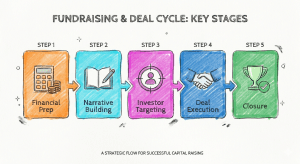 In the case of consumer businesses in particular, this implies:
- Converting brand narrative and growth path into investor-friendly financial reports.
- Finding and targeting the appropriate strategic or financial buyers/investors.
- Running structured deal processes that generate competitive tension and better valuations
- Deal structure, earn-out, working capital, and terms of advice.
- Balancing the expectations of the founders with reality in the market.
Most advisors do not simply get you a deal. They construct the narrative that makes you get the deal you desire.
Why Consumer Brands Need Sector-Specialist Advisors
One of the most subtle areas of investment banking is consumer. Valuations are not financial in nature but are based on brand momentum, customer retention statistics, category tailwinds, and channel mix. Any generalist banker selling your D2C skincare brand in the manner in which they would sell a SaaS company is a red flag.
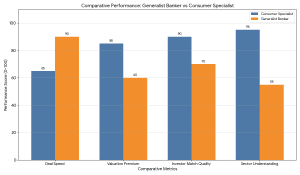 A sector-specialist can offer the following:
- Deep buyer relationships: They understand which PE funds are actively investing into consumers, which strategies are acquisitive, and which family offices closed consumer deals in the recent past.
- Benchmarking fluency: They are able to position your EBITDA margins, CAC:LTV ratios and repeat purchase rates as opposed to the right comps, not generic industry averages.
- Narrative expertise: They know how to turn a base of loyal customers, high NPS, or regional cult following into a thesis that will drive valuation.
- Speed and credibility: An established consumer banking consultant receives a faster reply from senior investors. It is important that access is important when time is of the essence.
If you’re speaking to generalist bankers right now, you might be leaving valuation on the table.
Speak to a consumer-focused advisor before you commit to a process.

Types of Investment Banking Services for Consumer Companies
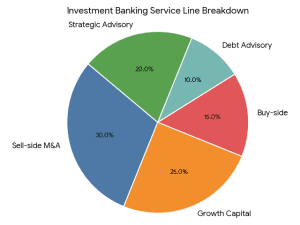 These are the typical things that these advisors will provide depending on your stage and objectives:
- Sell-Side M&A Advisory – Assisting owners of consumer brand businesses to sell all or a portion of their business to an acquirer or financial sponsor. Composed of complete process management, buyer outreach, and negotiation.
- Buy-Side Advisory – Assistance to consumer companies in the identification and acquisition of target businesses to drive growth or venture into new categories.
- Growth Capital Raises — Organized fundraising events to brands that are seeking Series B, Series C, or growth equity – specifically applicable to brands with 50Cr to 500Cr of revenue.
- Private Equity Recapitalisation – Assisting founders to partially exit and a PE partner to scale-up further.
- Strategic Advisory and Investor Readiness – Pre-deal preparation, such as financial model cleanup, story development, pitch deck preparation, and due diligence preparation.
- Debt Advisory – Structured debt to fund inventory, capex growth or working capital requirements.
What the Best Investment Banking Firms for Consumer Brands Have in Common
The leading investment banking advisors to consumer sector companies across global markets and emerging markets are generally characterized by a couple of traits:
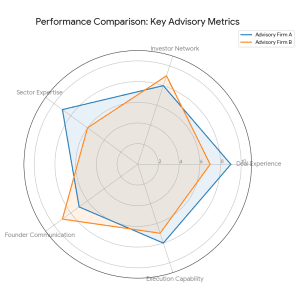
- Proven deal track record in consumer: Not only one or two deals – but an ongoing flow of closed deals in food and beverage, beauty, clothing, retail, pet care and lifestyle.
- Availability of appropriate sources of capital: It can be consumer-oriented PE funds, category conviction family offices, or strategic acquirers actively constructing portfolios.
- Founder-first communication style: Top consultants simplify complicated financial terms using simple language. When your banker is unable to explain to you how to structure a deal, that is an issue.
- Full-process discipline: They do not drop the ball between the initial NDA and final close as they handle the schedules, follow-ups, investor inquiries, and legal arrangements.
- Good regional and international networks: Of particular significance when you are a brand that has cross-border intentions or you are seeking to attract foreign capital.
Leading Investment Banking Advisors for Consumer Brands in 2026
Global Bulge-Bracket and Mid-Market Banks:
Goldman Sachs, Morgan Stanley, and JPMorgan do the biggest consumer M&A deals in the world – billion-dollar brand acquisitions, FMCG megadeals, and IPOs of existing consumer conglomerates. These companies are normally contracted by high-end consumer companies with revenues of more than 500M+.
Lazard and Evercore are self-governing consultants that are robust in consumer and retail practices. Their reputation is doing good deals and they are usually called upon when it comes to cross-border consumer M&A which is a complicated one.
Harris Williams, William Blair, Lincoln International occupy the sweet spot between the market and are known to be especially effective in consumer and retail deals in the 50M to 500M enterprise value. Harris Williams specifically has a rich consumer goods and retail team boasting of high deal flow.
Houlihan Lokey is a restructuring and M&A practice that is becoming more and more active in consumer deals, especially in distressed retail scenarios and carve-outs.
Emerging Market and India-Focused Consumer Advisors
For growth-stage consumer brands in India — particularly those targeting PE fundraises or strategic exits in the ₹25Cr–₹500Cr range — the relevant landscape looks different.
Firms like Avendus Capital, o3 Capital, and Equirus have historically been active in Indian consumer brand transactions. More recently, boutique investment advisory firms with deep sector expertise have stepped in to serve the undeserved mid-market — founders who are too large for angel networks but too small for large bulge-bracket attention.
FundTQ Investment Advisory, backed by partners from EY, KPMG, and PwC, works specifically with growth-stage consumer founders across D2C, FMCG, retail, and lifestyle categories. The firm’s focus is investor readiness, financial modelling, deal structuring, and connecting founders with the right global and domestic investors at the right stage — without the noise of a large bank process that prioritises mid-market mandates.
How to Evaluate an Investment Banking Advisor for Your Consumer Brand
These are some questions to ask before signing an engagement letter:
1. What number of consumer deals have you closed within the past 24 months?
Request particular examples -type of company, deal size, buyer profile. A good counselor will possess an obvious answer.
2. Who will be working on my deal at your place?
In big banks, business is pitched by senior partners and junior analysts are operating the process. You know who is running your mandate on a daily basis.
3. Who are your investors or buyers that you would target with my business?
A trustworthy adviser must be in a position to name certain funds or strategies on the spot – not to respond vaguely on account of a broad spectrum of investors.
4. What is your average deal time?
The average time between mandate and close (consumer brand transactions) is between 4 to 9 months. Be cautious of those advisors that boast of abnormally quick results.
5. What do you consider to be the primary risks or challenges in my deal?
The most good counselors are those who tell the truth about the difficult ones. When an advisor simply tells you what you want to hear, it is a danger sign.
6. What is your fee structure?
Normal engagement is a retainer and a success fee (usually 2 to 5 percent of deal value in mid-market deals). Get both of these parts straight.
Common Mistakes Consumer Brand Founders Make When Choosing an Advisor
- Selection based on brand name. Your 100Cr consumer brand might not receive the attention of a top-tier global bank. Prioritisation of mandates is a reality.
- Failure to verify sector specificity. Request deals that are specific to your vertical and not simply consumer. Some bankers with closed food deals may not have any insight into beauty or pet care dynamics.
- Skipping reference checks. Interview at least two or three founders who have been with the advisor in the past. Enquire about responsiveness, honesty, and what they would have done differently.
- Signing too early. Do not make a commitment to an advisor until you are investor-ready. Premature process may scald ties with investors that you will require at a later stage.
- Overlooking investor preparedness disparity. Most founders come to investment banks with dirty financials, a good use of money story, or a revised cap table. This significantly slows down the process and may impact on valuation.
Frequently Asked Questions – FAQ
Q. What is an investment banking advisor for consumer brands?
An investment banking advisory for consumer brands is a financial intermediary that helps consumer companies raise capital, execute mergers and acquisitions, or manage strategic exits. They bring sector expertise, investor relationships, and deal structuring skills specific to the consumer sector.
Q. When should a consumer brand engage an investment banker?
Ideally 6 to 12 months before you need capital or want to close a deal. This gives time for investor readiness work, process preparation, and building investor interest without pressure.
Q. What size of company needs an investment banking advisor?
There’s no hard threshold, but most investment banking advisors engage companies with revenues of ₹10Cr or above, or those seeking to raise ₹5Cr or more. Below this, the economics of a full banking mandate may not make sense and alternative fundraising routes are more appropriate.
Q. How much do investment banking advisors charge for consumer deals?
Fee structures vary but typically include a monthly retainer (₹2–5 lakhs per month for mid-market) and a success fee of 2–5% of the total deal value upon closing.
Q. What’s the difference between a financial advisor and an investment banker for consumer brands?
A financial advisor typically offers ongoing financial planning or wealth management services. An investment banker is transaction-focused — engaged specifically to execute a deal such as a fundraise, acquisition, or exit.
Still have questions about your situation?
Reach out with your specifics — we’ll give you a clear, honest perspective.

The Bottom Line
The right investment banking advisor for your consumer brand isn’t necessarily the biggest name in the room. It’s the advisor who understands your category, knows the right investors, can tell your story compellingly, and will stay fully engaged through every stage of the process. Consumer brands live or die by relationships — with customers, with retailers, and yes, with investors. Your banking advisor is an extension of that relationship.
Choose someone who treats your deal like their most important mandate. Because for you, it is.
Are you a consumer brand founder exploring a fundraise or strategic transaction?
FundTQ Investment Advisory works with growth-stage consumer companies across D2C, FMCG, retail, and lifestyle — helping founders get investor-ready, build compelling financial narratives, and connect with the right capital partners globally.

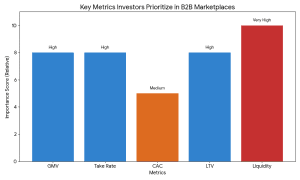 Here are the
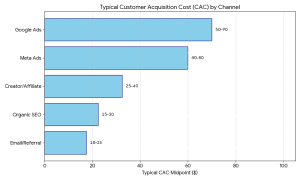
 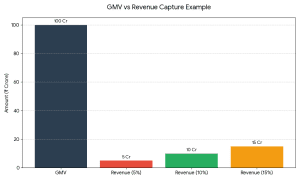 3. Customer Acquisition Cost (CAC)
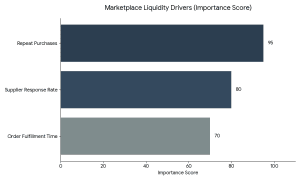 Marketplaces cannot scale without liquidity even in the presence of good marketing.
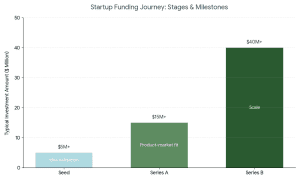 1. Seed Funding
 Examples include:

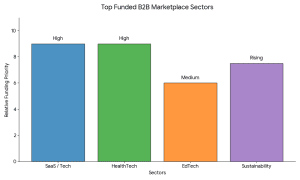
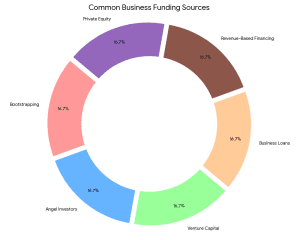
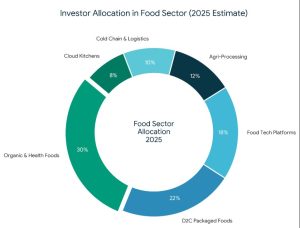
 Here’s where investors are putting their money right now:
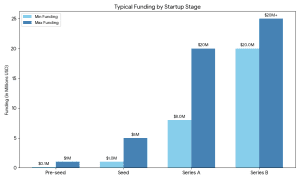
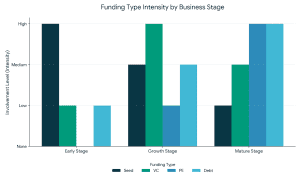
 The Four Funding Stages — Where Do You Fit?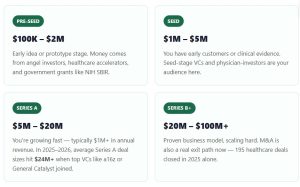



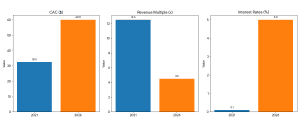
 Post-ZIRP reality check:
 The brands in the closing round today have three characteristics in common: a brand story that can be defended, a healthy repeat customer, and a founder who can discuss their numbers fluently. In that case, capital is at your disposal.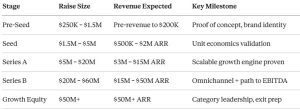
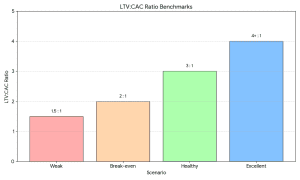
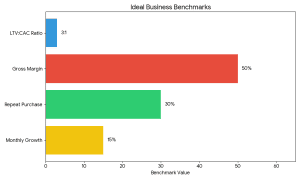
 2. Customer Lifetime Value (LTV)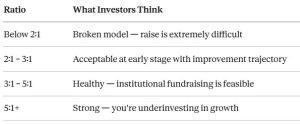
 4. Gross Margin
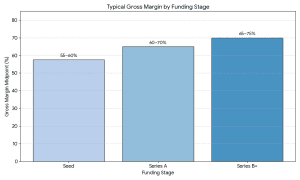 The automatic pass of most institutional investors is below 50% gross margin. It is no longer possible to have the room to finance acquisition, overhead and profitability at the same time.

 For AI SaaS startups, early traction matters more than hype.
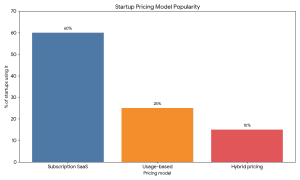 1. Subscription SaaS
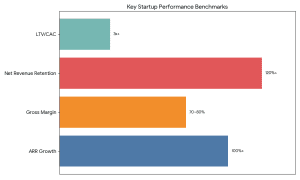 1. ARR (Annual Recurring Revenue)
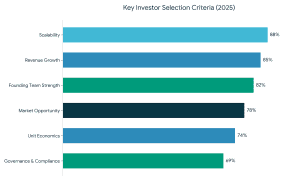
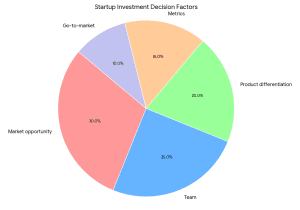 1. Market Opportunity (TAM)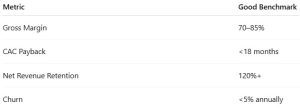
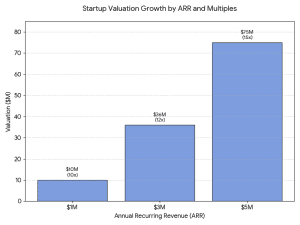 For SaaS startups: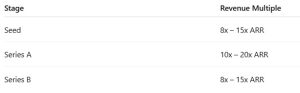

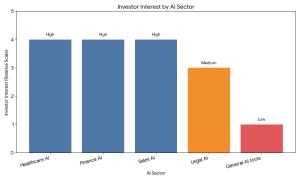 Several trends are shaping AI startup funding.
 The following is a comprehensive guide on how to raise capital on an eCommerce business, which entails the sources of funds, the expectation of investors, strategies of valuation, and steps that can be taken to raise capital effectively.
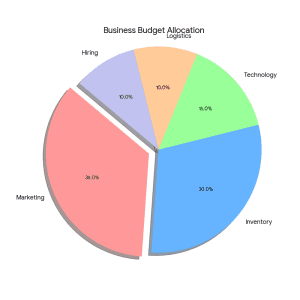 1. Inventory Procurement
 Understanding the
  As someone involved in
 2. Startup Fundraising Advisory
 4. Investor-Ready Pitch Deck Strategy
 Each sector demands specialized financial structuring, risk assessment, and investor mapping.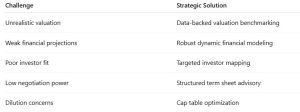
 It will not be any ordinary Investment Banking Firm in Mumbai that will simply raise capital, but will instead place your business in a position to achieve long-term enterprise value creation.
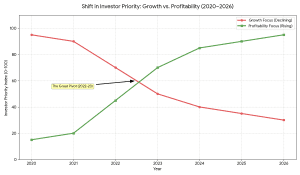 The education technology market in India has reached a disciplined development level. Following aggressive growth by competitors such as:
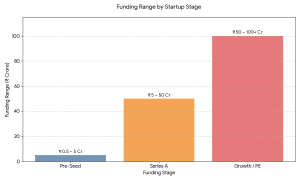 Early Stage (Pre-seed / Seed)
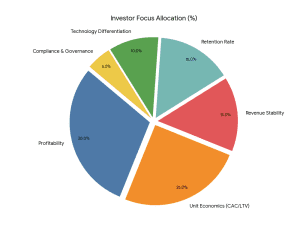 Investors assess:
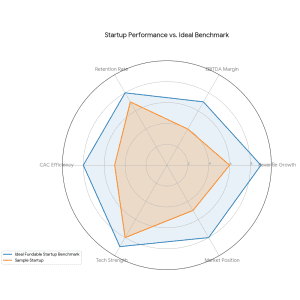 How to Prepare a Winning Pitch Deck for EdTech Funding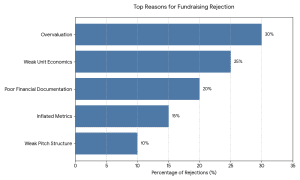
 Why the Food Sector Attracts Strategic Investors
 What Is Strategic Funding For The Food Sector?
 As an adviser to food startups, investors are interested in:
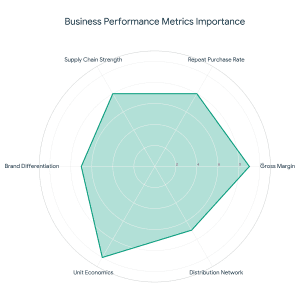
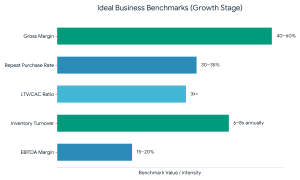 Even the most effective startup fundraising will not work without a powerful grip on these numbers.